
Judgment: The Shadow of Mothers
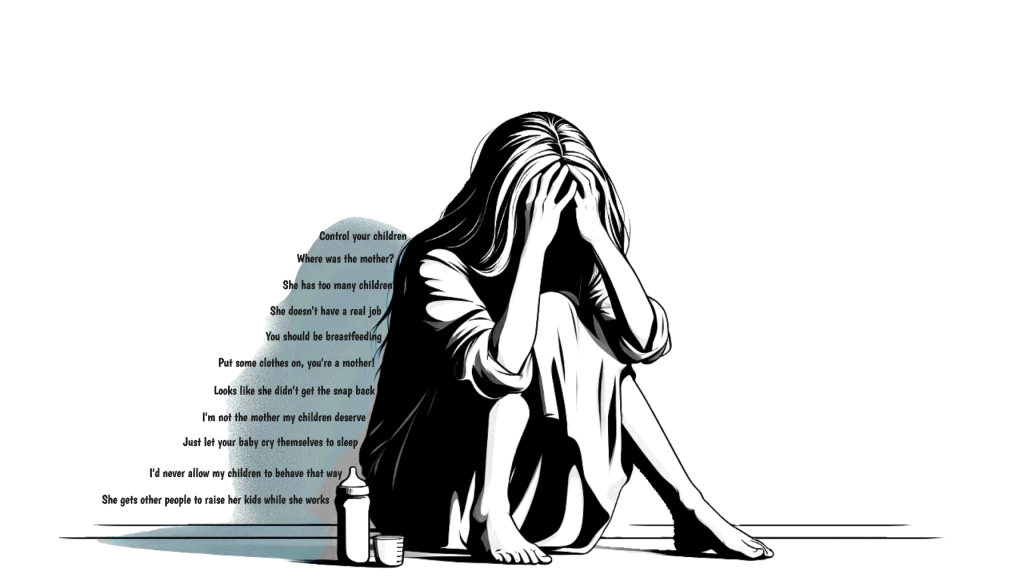
Any time I leave the house or interact with others; I feel as though a shadow of judgment follows closely behind me. I remember the first time I felt judgment as a mother. Nasir was only days old, and Supry and I were enjoying one of our first family moments with him. He started crying, and it wasn’t long before someone burst through the door, concerned because it sounded like a “cold cry.” Maybe it was, but I hadn’t even had a chance to let my maternal instincts kick in before I was made to believe I wasn’t doing anything right. I didn’t know my baby yet. I was still figuring out how to be a new mother, but apparently, I was already making mistakes, and this person knew better. Motherhood, or I guess, parenthood doesn’t come with a manual, but it does come with a lot of expectations to know it all. If you don’t, you’re failing. In that moment, I felt judged, whether it was the intention of the person or not.
Instances like this have peppered my motherhood journey, affecting the way I parent around others, whether it’s family, friends, or society. Some are well-meaning, but others… you can really feel the tone and intent behind the stares or words. The knock-on effect of this leaves me feeling inadequate and anxious about every decision I make, whether it’s for myself, my children, or the family as a whole. I don’t want to make the wrong choice. I want to do right by my children. I want to have my shit together. I want to be like everyone else.
This feeling of judgment is something almost all mothers experience, whether it comes from society, family, or even ourselves. A recent study by Dr Angelique Reweti, Chrissy Severinsen and Mary Breheny discovered many new mothers felt they would be perceivably incompetent to Plunket nurses if they admitted they were struggling (RNZ, 2024). It’s a hidden weight mothers carry, and it can hurt deeply.
The Pressure to Be the “Perfect” Mother
Being a mother is a beautiful, intense, and complex journey. On the one hand, I get to help shape my children into kind, considerate people. On the other, there’s an immense pressure to get it “right.” We’re expected to love every moment, smile through every challenge, and somehow balance it all. When I was pregnant with Rahim, I was working full-time, studying, and trying to transition Nasir to sleep on his own, but he would only go to sleep if I was touching him. They say to choose your battles, but the balancing act of this was one I wasn’t going to win. I reached out on social media for advice, and there’s one response I still remember: I was told to “enjoy this time with Nasir, he’s only little once.” I get it. Believe me, I do. This person was genuine and well-meaning, but I was exhausted. There were a million things I had to do before I could even go to sleep, and it was getting later and later because, as soon as I moved, Nasir would wake up. The advice wasn’t helpful. She was right, but it reminded me to slow down and not let society pressure me into doing what didn’t feel natural.
Social media doesn’t help either. We’re flooded with curated images of picture-perfect motherhood, fueling those nagging thoughts: Why can’t I manage like that? For me, the weight of this expectation sometimes overshadows the joy, making me feel like I’m constantly running toward an impossible ideal.
Real Talk: The Realities Behind the Instagram Filter
I can’t tell you how many times I’ve felt personally victimised by social media accounts where women are on their high horse about other women not prioritising the same things they do. Many influencers portray an idealised version of motherhood or even life that doesn’t reflect the full picture. These influencers seemingly have privilege and access to resources that many other women don’t, and it can come across more harmful than helpful, certainly judgmental. Everyone has different circumstances, and for me, when I hear that I’m not making health and exercise a priority, it makes me angry. It impacts my mental health. We don’t have someone to help look after our kids whenever we need a break. We both work. I’m up all night with the baby, and Supry’s up all night with the other two. We don’t have a dishwasher or a cleaner, so by the end of the day, we’re wrecked. No energy. This can make it easy to feel “less than” or think we’re not doing enough.
I’ve even had a friend unfollow me on social media because my content didn’t resonate with her. She’s not a mother, yet, so I understand her sentiment. But as a friend, I couldn’t understand it. I was sharing some very low and vulnerable moments of motherhood and just how much I was struggling with it all. This cut me pretty deep because I was already feeling isolated, lonely, and unsupported and it felt as though everyone really didn’t care. To me, It seemed like a cry for help, but to her, it was just annoying. Ouch. This is one of those times where you don’t actually realise the impact of your actions until you become a mother. I’ve had too many flashbacks to when I reacted a certain way to my mum friends and cringed hard! Why couldn’t I have been more understanding in that moment? This is one of the reasons I’m doing my best to raise Nasir, Rahim, and Aisha with compassion for others. It’s easy to be kind.

Judgment from Strangers and Society
Have you done this before you caught and corrected yourself? Or maybe it was before you knew better than to do it? I had a job as a checkout operator in College and would always say to myself “if I ever have kids, I’d never allow then to be like this in public”. And maybe that’s why I’m so self-conscious of parenting the boys when I’m out in public?
I still feel like I adjust my parenting depending on who’s around because I don’t want to be seen as a bad mum. Sometimes, I neglect being the parent my kids need in certain moments or the parent they’re used to or even start explaining the reason behind Nasir’s behaviour or lack of articulation, all to appease these people who have nothing to do with us. It’s not just the judgment of me as a mum; I don’t want these people thinking the worst of my children. My children are beautiful, with a wonderful playfulness and sincerity, and they’re allowed to have human moments, just like adults.
It’s strange, isn’t it? Why do we care so much about what strangers in the supermarket or in the comment section think? These people have very little bearing on our lives, let alone how we parent. We shouldn’t feel the need to put our children second. They deserve to feel supported, advocated for, and to know that they are safe with their parents. What kind of message does it send them if they don’t feel this? It will add to this seemingly never-ending cycle of appeasing people that have no contribution to their lives. Besides, these moments they experience, whether in public or not, tell you nothing about who they are as little humans. Why judge them too?
I recall a moment in a public place where someone said, “Kids will be kids,” while I was trying to wrangle and talk to Rahim about why he shouldn’t run off. That was me, projecting people’s reactions to keep my kid in check. This random person was trying to ease me and essentially let me know his behaviour is ok, he’s a kid. I couldn’t agree more. It can feel like whiplash while dealing with the different reactions of people. Some are understanding, others not so much. I see this a lot in comment sections of news articles regarding children. Harsh and extremely judgmental comments about mothers, I’m sure you’ve seen them; “Where was the mother”, “You’re a mother, put some clothes on”, or even “In my experience as a mother, and I had 100 kids, none of my kids did that, so you’re obviously doing it wrong”. It’s as if you can’t win either way.
A study from UC Irvine highlights the double standards mothers often face. The research shows that strangers view children as less safe when their mother, not their father, briefly leaves them, even if the reason is work-related (Thomas & Stanford, 2022). It illustrates how deeply ingrained these judgments are and how they can affect the way mothers are perceived, regardless of the context. This needs to stop. Have you ever told your kids off then your husband back you up but then you stick up for your kids cause “How dare he tell the kids off“. Same. But look, if you are safe with your partner, your children are probably safe with your partner. Fathers are so capable and can provide children security, so why is this even a thing that children are less safe?
I am looking forward to a day where people either mind their business, are helpful, or simply just do not pass judgement. For now, to me, there is power in knowing that advocating and standing by my children, I am doing the best for my them even if it is a trying moment.
The Many Ways We Feel Judged as Mothers.
It feels as though society has a checklist of what makes a “good” mother:
- Childbirth Choices
- Epidural or natural birth
- C-section versus vaginal delivery
- Home birth, hospital birth, or birthing center
- Infant Feeding
- Breastfeeding versus bottle feeding
- Breast milk versus formula
- Duration of breastfeeding or choosing not to breastfeed
- Sleep Routines
- Sleep training versus co-sleeping
- Bedtime routines and “cry-it-out” methods
- Napping schedules (or lack thereof)
- Parenting Styles
- Authoritative, permissive, gentle, or attachment parenting
- Disciplining approaches: timeout, gentle correction, or “tough love”
- Handling tantrums in public or private
- Working Status
- Stay-at-home versus working mother
- Choosing to work part-time or full-time
- Balancing career and home responsibilities
- Childcare Decisions
- Using daycare, babysitters, or family support
- Choosing a nanny or au pair
- The decision to homeschool, private school, or public school
- Family Size and Spacing
- Having “too many” or “not enough” children
- Deciding to have another child or stopping at one
- Timing between children and family planning choices
- Health and Nutrition
- Organic versus conventional foods
- Allowing sweets, snacks, and screen time during meals
- Diet restrictions or preferences (vegan, gluten-free, etc.)
- Child Milestones
- Pressure for children to “hit milestones” like walking or talking
- Early learning, developmental delays, or variations
- Comparing children’s achievements to peers
- Self-Care and Pers
- Taking time away from kids (gym, self-care, social events)
- Vacations with or without children
- Hobbies or activities that don’t involve the family
- Financial Choices
- Managing finances as a family
- Decisions on spending versus saving for kids’ needs
- Choices around toys, extracurriculars, vacations, and “spoiling”
- Body Image and Health
- Post-baby body changes and fitness goals
- Weight, diet, and fitness routines (or lack of)
- Self-esteem and appearance judgments
- Romantic Relationship with Partner
- Prioritising the marriage/partnership versus “always putting kids first”
- How affection or time with a partner is managed
- Divorce, separation, or relationship challenges
- Household Management
- Home cleanliness and organisation
- Meal planning, cooking, and household chores
- Involvement of partner and equitable division of labor
- Mental and Emotional Health
- Dealing with postpartum depression or anxiety
- Seeking therapy or mental health support
- Handling stress, burnout, or feelings of inadequacy
Each of us faces unique choices, from feeding options to parenting styles. Yet somehow, there’s always an opinion on what’s “best.” This cycle of judgment is harmful, leading to self-doubt and stress and this is before we even get into cultural or racial differences.
Battling the Voice of Self-Judgment

This internalised judgment can be brutal. It affects our sense of worth as mothers and can deeply impact our overall happiness. Self-criticism is common among mothers, it can lead to heightened stress, anxiety, and even depression, particularly for those without strong support systems. I’ve been guilty of judging myself harshly, feeling like I’m not doing enough, or not being the mother I want to be. I’ve had those on the ground crying moments if I’ve yelled or made a decision I regret. Not feeling capable or like I’m doing enough to be the best mum I can be. And when we found out about Nasir’s multiple delays, I blamed myself.
It’s interesting to think about where internalised criticism comes from. This isn’t an original thought because there seems to be a huge movement for self-work to shift the inner voice from negative to positive. When you grow up people you hold near and dear or have regular interactions with make comments about themselves or others based on their experiences and it has a cascading affect and influences you to adopt the same mindset. At least that’s how I feel I’ve grown up with a toxic attitude towards myself. That do as I say not as I do is a complete contrast to how you’re supposed raise children into being well rounded, healthy, and critical thinking individuals.
Kids are super impressionable and I’m doing my best to speak words of affirmation instead of self-loathing when I’m around them. It can be hard to recondition your thoughts when you’ve been a certain way most of your life. Especially as I feel like I’ve lost parts of my identity when I became a mother. I sacrificed parts of myself to give my children what I thought they deserved, a present and loving mother. But you know that saying, don’t you? It’s hard to pour from an empty cup. It’s completely true but I’m not sure how, as mothers, we can commit to everything all at once, starting with ourselves. And THAT is also something that I judge myself for. Not being the example I’d like to be in certain areas. I want them to create healthy habits, teach them how to exercise right, and nourish or fuel their bodies correctly but while I feel like I’m doing what I can just to survive, those aspects have fallen to the wayside.
Have you ever done that exercise where you have two seemingly identical pieces of fruit but speak differently to each one? The fruit spoken negatively to seems to always “go off” first. There are a lot of variables to consider explaining why this may be, but it’s definitely given a fantastic visual perspective on how important positive self-love is.
With all this said, having children has been the best tool to prompt me to treat myself with grace. It’s not easy, but they bring you back to earth with their unfiltered innocence. They’re the best friends I never knew I needed because if I would NEVER speak to them the way I speak to myself sometimes, surely that’s enough.
Tips for Navigating Judgment as a Parent
Being a parent often feels like being under a microscope. These practical tips are here to help you build resilience against judgment, from others and from yourself.
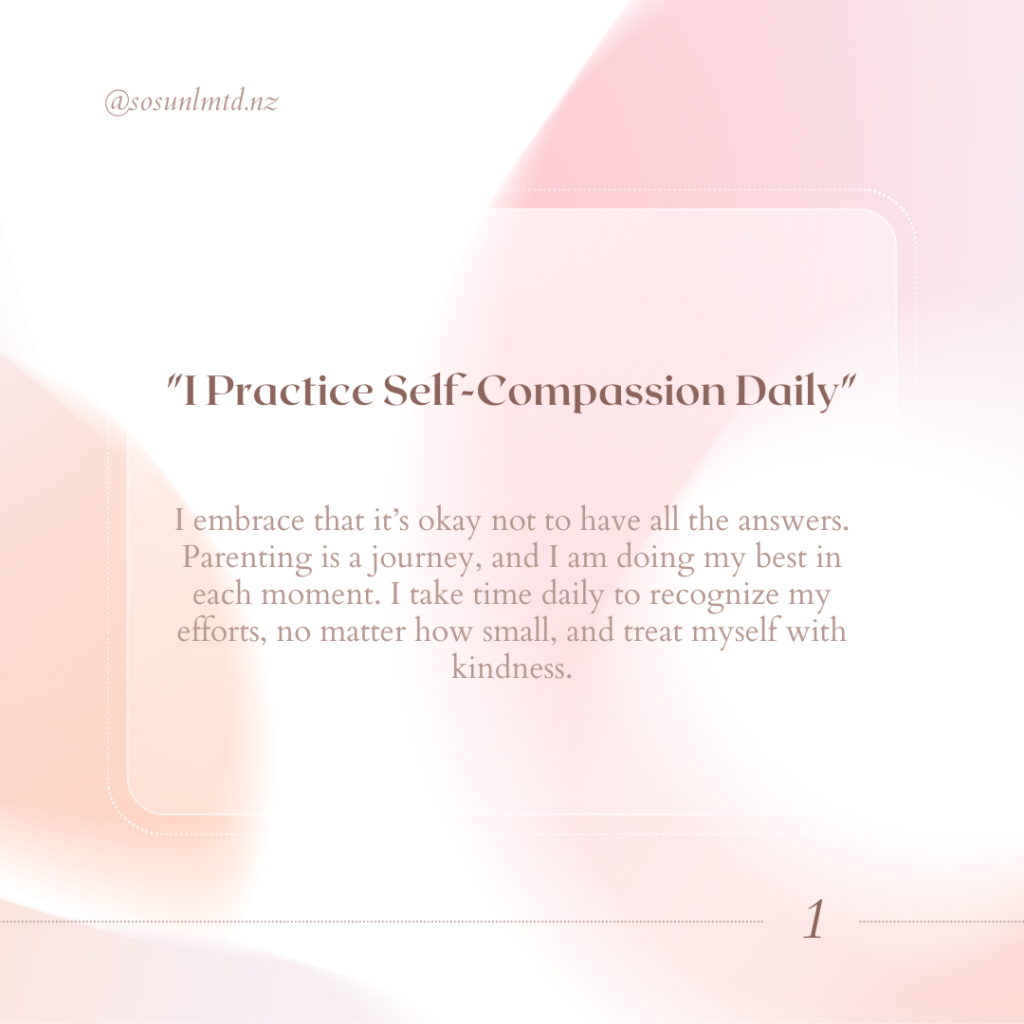
1. Start with Self-Compassion: It’s okay to not have all the answers. Remind yourself that parenting is a journey, and you’re doing your best in each moment. Take a few minutes daily to recognize what you’ve done well, even if it’s small, and be as kind to yourself as you would to a friend.
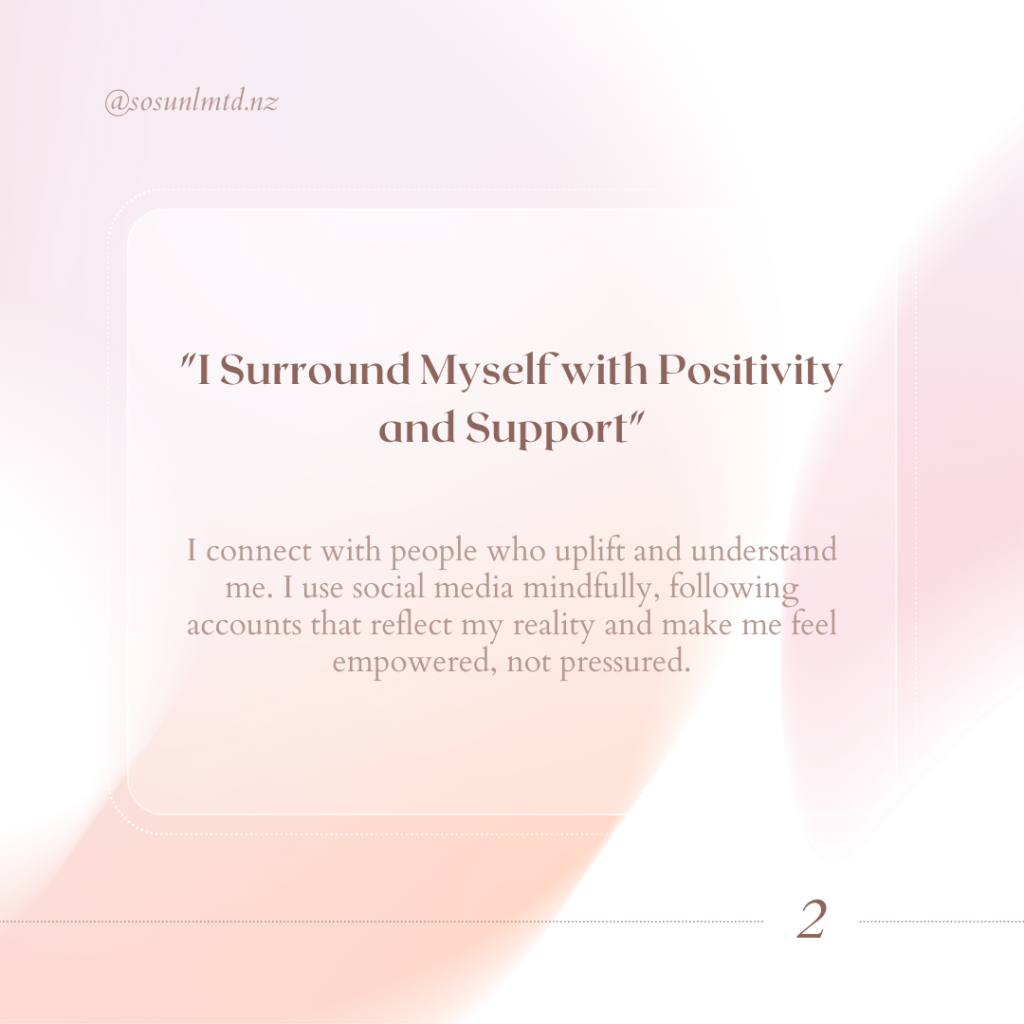
2. Find Your Tribe, Not Your Competition: Surround yourself with people who uplift and understand you. Social media can be helpful, but if it’s a source of stress, consider setting limits on your usage. Follow accounts that resonate with your real experiences and make you feel empowered, not pressured.
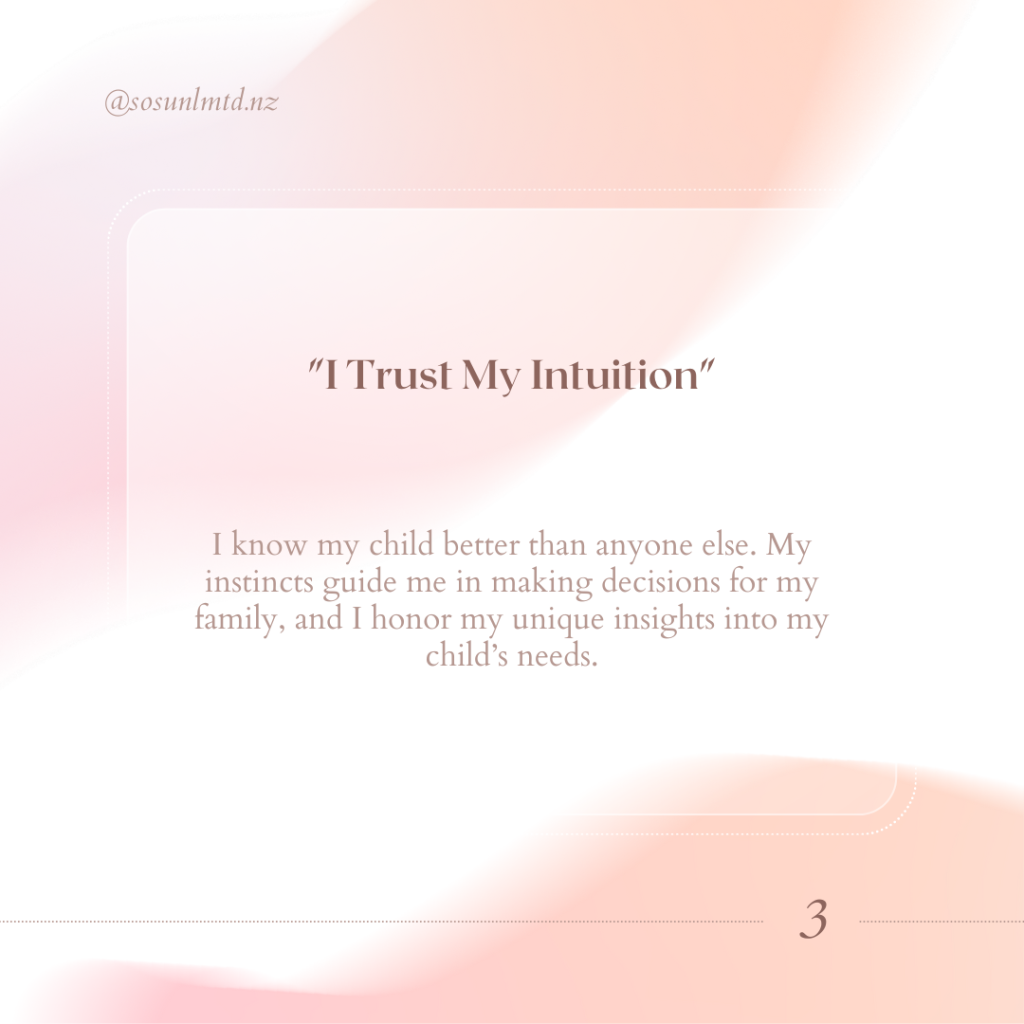
3. Trust Your Gut: You know your child better than anyone else. Trusting your instincts when making decisions about your family can be your best guide, even if it goes against popular opinion. No one else has the same insights into your child’s needs as you do.
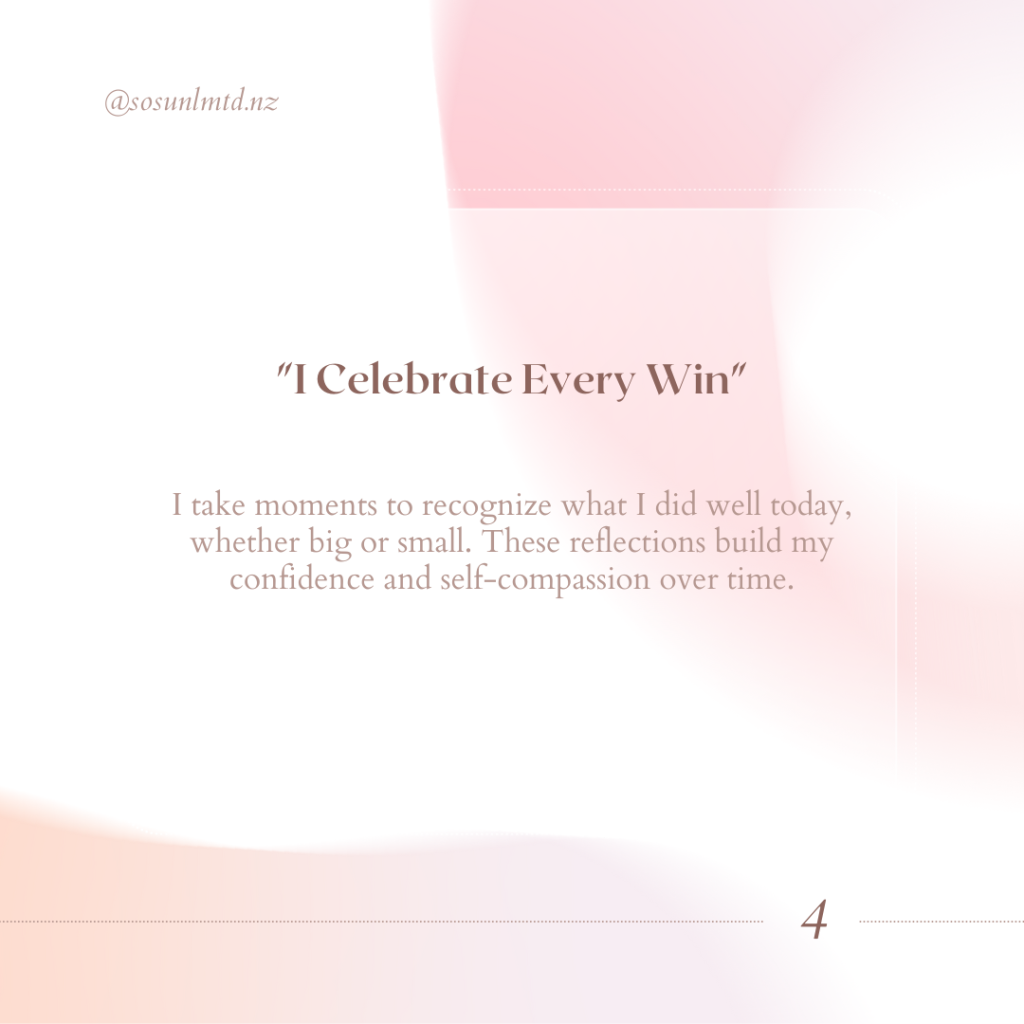
4. Celebrate Your Wins—Big or Small: Take a moment to reflect on something you did well today, whether it’s making your child laugh or just getting through a tough moment. Over time, these reflections build confidence and self-compassion.
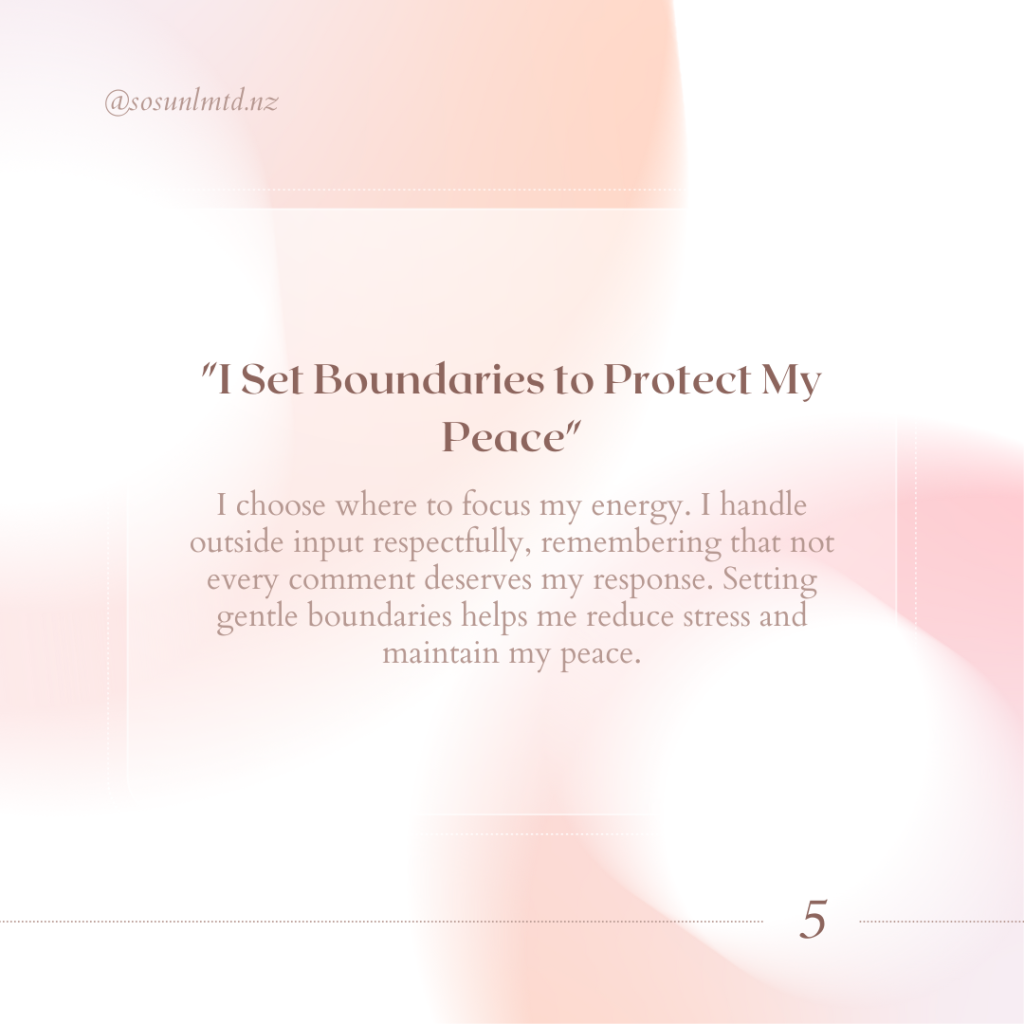
5. Create Boundaries for Outside Input: It’s natural to want to explain or defend yourself in the face of criticism, but some comments don’t deserve your energy. Politely setting boundaries can help reduce stress and protect your peace. Phrases like “Thanks, we’re managing our own way” can be gentle but effective.
Get Help for Practicing Self-Compassion and Limiting Social Media
- Mental Health Foundation of New Zealand: Offers self-compassion and mindfulness resources, including practices that can help reduce self-criticism and improve mental resilience. Visit Mental Health Foundation.
- SPARX by Te Hiringa Hauora: This online program teaches practical skills for managing stress and anxiety, which can be beneficial for parents managing the pressures of social media comparison. Visit SPARX.
Tips for Parents Feeling Unsupported
- Find Your Tribe: Look for communities, whether online or in person, that truly resonate with your journey. Parenting groups, special needs support groups, or local playdates can be a lifeline. Remember, your people are out there.
- Share Authentically, but Protect Your Peace: Share what feels right, but don’t feel pressured to open up if it leads to more hurt. If certain relationships don’t support you, it’s okay to create boundaries. Let your voice and story shine in spaces that uplift you.
- Reflect on Friendships: Not everyone will understand the realities of parenthood, and that’s okay. Try to focus on the friends who listen, encourage, and empathize, even if they can’t fully relate. Quality over quantity!
- Teach Compassion at Home: Let your experiences guide you as a parent. Show your children the importance of kindness and understanding towards others’ struggles. Sometimes, a little empathy goes a long way.
- Remember You’re Not Alone: Feeling isolated can be common, but you’re not alone. Sometimes reaching out to a parenting coach, therapist, or even finding a new online community can help you feel seen and understood.
For Celebrating Wins and Building Parent Support
- Parenting Place: Provides workshops, online courses, and community support focused on positive parenting, celebrating progress, and navigating common parenting challenges. Explore Parenting Place.
For Managing Mental Health and Encouraging Open Communication
- Plunket New Zealand: Offers parent groups, mental health support, and advice on balancing family life, encouraging open communication, and maintaining a positive environment. Visit Plunket NZ.
Celebrating Imperfect Motherhood
Motherhood is an incredible journey; beautiful, intense, and sometimes overwhelming. Judgment is a constant shadow, but we don’t have to carry that weight alone. By practicing self-kindness, we create a healthier environment for both ourselves and our children. Our children need us as we are, not as society expects. Embracing our imperfect motherhood is the most freeing gift we can give ourselves.
References
- Radio New Zealand (2024). New mothers fear judgement by Plunket nurses, worry they will be seen as unfit. Massey University, Dr Angelique Reweti, Chrissy Severinsen and Mary Breheny
- Thomas, T., & Stanford, K. (2022). Double Standards in Parenting Perception: A UCI Study on Parental Judgment. University of California, Irvine, Social Sciences.