
Siblings: The Difference Between Introducing Rahim and Aisha
We always wanted Nasir to have a sibling to grow up with. It seemed like a logical thing to do not only from the perspective that we grew up with siblings and cousins, but Nasir always wanted us up walking him around the house, bringing us toys to play, have dance parties, and exploring messy play. You bring children into this world, and you should be engaging with them through play but it can be exhausting, especially if you lack the support to give you some time to yourself. So, the obvious solution was to give him a sibling. You have more children so they can all play together and give you some space, right? Parents of two or more, I know, you’re laughing at us. We’re laughing at us. Maybe you’re laughing with us. Are we laughing or crying at this disillusion? We wanted him to have a companion and a best friend for life. Someone who would always have his back. We were excited when those two pink lines appeared, it was time for a new adventure.
In fact, it’s important to recognise the potential benefits that this transition can bring. According to research, siblings often become role models, helping foster communication and emotional growth in children with developmental delays.1 2


The Challenges of Introducing Rahim.
Nasir didn’t hate Rahim; he just couldn’t grasp the concept of someone else in his space. Supry and I were his parents and now there was this other little human taking up their time and attention. This is a totally normal reaction. It looked like he was really thinking about what was going on just wasn’t able to piece it together. He knew Rahim belonged with us but didn’t get the where, when, why, and how. Nasir had been around babies; he’d been at daycare since he was one so babies were nothing new. He knew he had to be gentle and mindful around these littles. He had very sweet moments of trying to cuddle his baby brother then had very distant moments. The sweet moments included him wanting to play with his brother just not knowing how which we had interpreted as trying to be too rough like trying to get Rahim off me while I was holding him. He didn’t understand, we didn’t understand, it was a hard time for everyone, especially Nasir.
I remember crying thinking about how I had ruined his life. He was doing his best to adapt to a new normal and we weren’t responding to him in the most loving way. We would tell him what he did was wrong and put him in his room. It was a new and different situation and for me, it was heartbreaking to visually see Nasir trying but not knowing what to do. Supry believed Nasir understood and was acting out, while I saw a little boy grappling with emotions, he couldn’t fully process. We were both trying to make sense of what was happening, but our conflicting perspectives only added to the tension. Looking back, we now realise just how much Nasir was struggling and why. Knowing there was an underlying condition changed everything about how we understood his world.
My Own Struggles.
Watching him struggle while I was also battling my own emotional and mental health challenges made everything feel overwhelming. During my pregnancy and for some time post-partum, I was seeing a clinical psychologist because I had such intense anxiety that I couldn’t even look at dishes or think about having a shower without bursting into tears or having a panic attack. Frustratingly, in my screening to see a psychologist, the Womens Mental Health Nurse told me I was emotional because I was pregnant! I felt dismissed, unvalidated, invisible, and alone. I had to implement suggestions from my GP to manage how I was feeling, go through a few EAP sessions provided by my employer, and get a referral from my GP all to be told I’m just experiencing pregnancy hormones! The psychologist I finally saw truly understood me and diagnosed me with PTSD, which stemmed from events in my past that I didn’t deal with in a healthy way. Since then, I’ve been working hard to regulate my emotions and manage situations where I feel overwhelmed. I believe these experiences have made me a better mum, but I wish I could go back and approach the situation with more care and compassion for Nasir.
Although I wish I could have handled it all with more care and compassion, I was in survival mode. As mothers, we need to allow ourselves grace. We can’t always get it right, but we can learn and grow with each new moment.



The Parenting Tune Up.
Supry looks back on moments like this and deeply regrets how he reacted to Nasir. It all makes sense now. As unfortunate as it is, he has learned from these experiences with hindsight and has been able to adapt his parenting style to be more empathetic and take more of an understanding approach to figure out why the boys have behaved or acted a certain way before he moves right to the punishment. And that, folks, is called Problem Management – Root Cause Analysis!
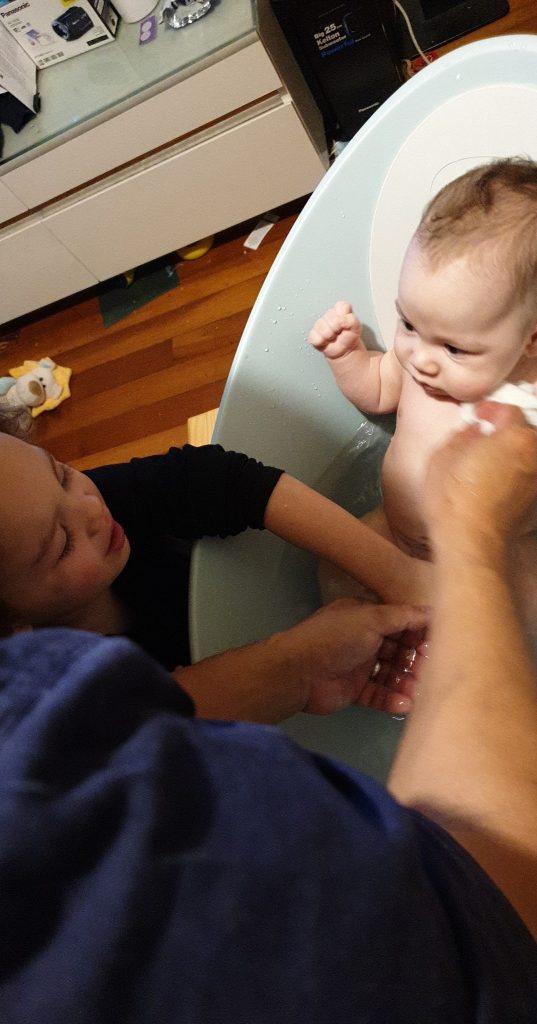
Our approach needed tuning. While I had allowed Nasir to come up and cuddle his brother whenever he felt comfortable, he needed to feel like he hadn’t been replaced. Nasir needed to feel included. We did our best to make big brother duties fun. He helped with bath time, which was effectively water play to him. His favourite cars would take a dive, and Rahim would get a vehicle massage up his arms, over his tummy, and down his legs. We would take Rahim into daycare to show everyone his baby and Nasir would always make sure we never left without him. I distinctly recall Nasir dragging the capsule to the daycare teacher who was holding Rahim and motioning to put him back into the capsule. We would also make sure Rahim was involved in everything Nasir wanted to do which often happened to be dance parties. The biggest focus was to ensure Nasir never felt like he was being replaced.
The Ways Rahim Has Helped Nasir.
Rahim developed at an alarming rate. Walking at 9 months, talking sooner than expected, and loving his brother from the moment he realised he had one. Nasir was two and a half when Rahim was born but I would say that Rahim has been instrumental in Nasirs development. He seemingly understands some of Nasirs speech if were unable to decipher something said, partly because they watch similar videos or have similar interests, but it also felt like they were twins in the respect that they had their own language or communication that allowed them to understand each other. It’s been a beautiful relationship to watch grow.
- Modeling Proper Language: This hasn’t always been intentional. Just having Rahim around, who speaks so well, sets a great example for Nasir. He hears his little brother and tries to mimic him. Supry and I have talked to Rahim about showing Nasir how to communicate. Rahim knows Nasir sometimes mixes up his speech, so we explained that Nasir struggles to express himself. We want him to hear us using proper words, and Rahim is always eager to help.
- Repeating Words or Phrases: The first time I heard Nasir and Rahim chatting in the backseat, with Rahim teaching Nasir how to pronounce a word, was so wholesome! Watching Nasir try his best to repeat it melted my heart. We often have moments where one of them learns a new word, and the other gets curious and joins in. It’s such a sweet bonding experience.
- Singing to Music: It’s simple, but when they both love the same song, they can’t help but sing along together. Those little moments are pure joy!
- Being Praised: This is about building good habits and inclusivity. Whenever either of them does something amazing, no matter how big or small, we’re quick to celebrate it! They really feed off each other, and Nasir notices the good habits Rahim sets, just as Rahim sees the awesome things Nasir does.
- Independence: Nasir picks up on Rahim’s behaviours, both good and not so desirable. When he sees the positive ones, he’s eager to imitate them. Rahim is very independent. Does he understand he’s small and shouldn’t try some of the things he does? Not really. But that doesn’t stop him! Recently, Rahim started dressing himself, which inspired Nasir too. It began with pajamas that had buttons! He struggled with buttons in his CDS assessment, so it was amazing to see him get dressed all by himself and even button them up!
These are just some examples and the interactions he gets from Rahim help him to communicate what he doesn’t and doesn’t like, enables him to share or set boundaries, allows him to care for and work with others, and provides the foundation for healthy and loving relationships. Research shows that communication is a key factor in the quality of sibling relationships, especially when developmental disabilities are involved. This highlights how fostering communication between siblings can be both a challenge and a vital tool in their bonding.3
Just when we thought we had navigated the challenges of sibling dynamics, Aisha entered our lives, bringing a new experience for all of us.
Welcoming Baby Aisha.
Aisha coming into existence was a different experience for everyone, but we were more prepared for Nasir to understand what was happening this time. Yes, there were a few different variables such as Nasirs age and cognitive comprehension had advanced, but we still weren’t sure how much he understood and how he would respond to having a new baby in our orbit. Rahim being the current baby also needed to be adjusted. Look, he’s incredibly onto it and a different kind of child but we needed to make sure he understood he was no longer going to be the baby. I think we got lucky with his reaction, when she arrived.
To prepare the boys we:
- Talked about baby: We started talking about the baby early on, describing what life would be like with a little sister. We explained that the baby would need a lot of care and attention, but she would also love and look up to her big brothers. We made sure to have these conversations in simple terms that both Nasir and Rahim could understand, focusing on the positives, like how fun it would be to have a sister.
- Used her name: We made a point to use Aisha’s name in everyday conversations to help the boys get familiar with her presence, even before she was born. This helped them see her as a real person who would soon be joining our family. At one point, we decided to change her name, and we involved the boys in that process. We would ask them, ‘What should we call your baby sister?’ Hearing them say her name, even in their own unique ways, made it clear they were starting to bond with her before she arrived.
- Let them answer if asked her name: Whenever someone asked about the baby, we encouraged the boys to tell them her name. This gave Nasir and Rahim a sense of ownership and responsibility over their new sibling. It also helped them practice saying her name, which reinforced the idea that she was already part of the family. Nasir, in particular, would proudly announce ‘Aisha’ whenever someone asked, which was a huge step in his development, considering he wouldn’t know the names of the children saying “goodbye” to him at school.
- Inclusion decisions: We didn’t want to force them to interact with Aisha, but we made sure to create opportunities for the boys to be as involved as they wanted. Sometimes they would come to midwife appointments, or we would show them scans of the baby. I would always let them know if Aisha was moving in my belly and allow them to touch or cuddle, whenever they wanted to. This allowed them to engage with the idea of her at their own comfort level, which was especially important for Nasir, who we felt may have needed more preparation. We also included them in simple decisions, like organising Aisha’s clothes for the day she arrives or putting her bed together. These small actions helped them build a connection with their sister, and over time, they both took great pride in being her protectors
- Quality time: We did make sure we spent some quality family time before Aisha arrived to ensure they would not only feel like Supry and I still loved them once Aisha was here, but also to make sure they knew that Aisha would be an exciting addition to our little unit. We did some cool things like going bowling which was a gift to children with disabilities and their families from Parent to Parent.
Nasir’s Growth as a Big Brother

Nasir understood his new role, although he had been a big brother before, he did what he could do to prepare himself. In our mid-year school report meeting, his teacher talked about one of his new interests that had been posted on the school’s sharing app. This particular story stood out to her because it was a significant deviation from his normal play with cars, messy play, running outside, or reading books. Nasir had started playing with the class baby dolls. The teacher was aware we were pregnant (would have been hard to miss at that stage) but didn’t put the two together. Nasir had started playing and caring for these dolls because he was preparing himself for his baby girl Aisha. Please understand the tears and huge squeeze on my heart this gave me and still does. We know Nasir is delayed and we don’t know where on his cognitive development he is currently at or was at this time but what a massive leap in progress when he’s taken it upon himself to learn how to dress and care for a baby.
This moment was not only a sign of his love for his new sister but also an incredible indicator of his developmental progress. Through play, Nasir was expressing a growing understanding of relationships, responsibility, and empathy, marking a significant milestone in his journey.
It’s Aisha’s World…
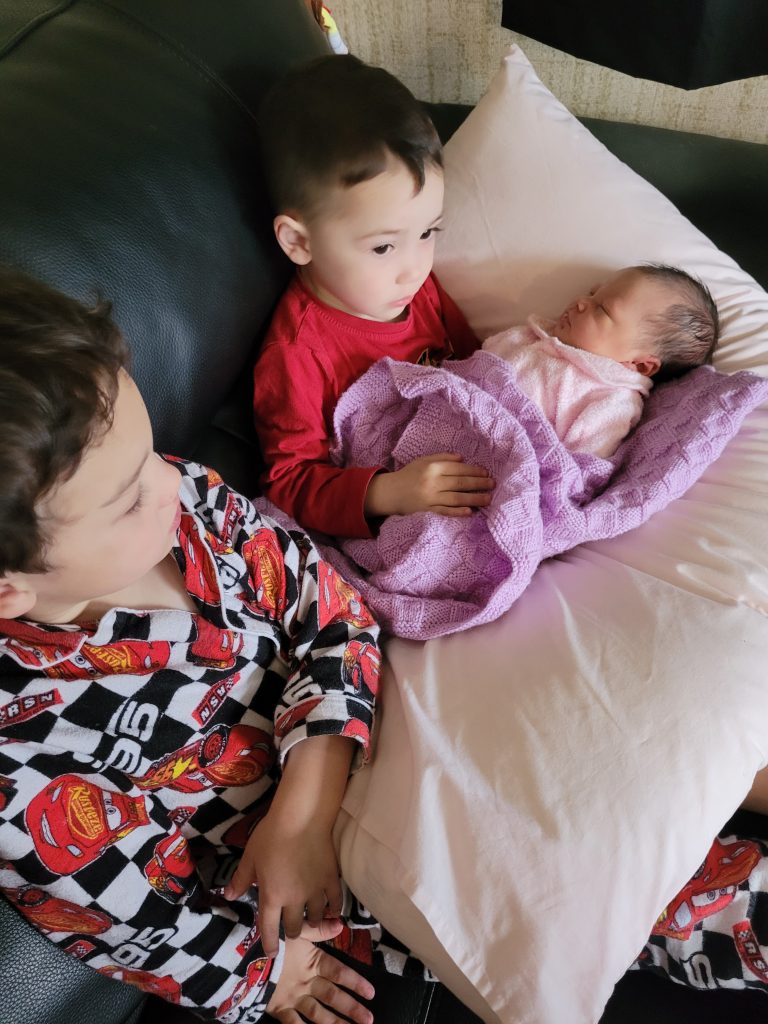
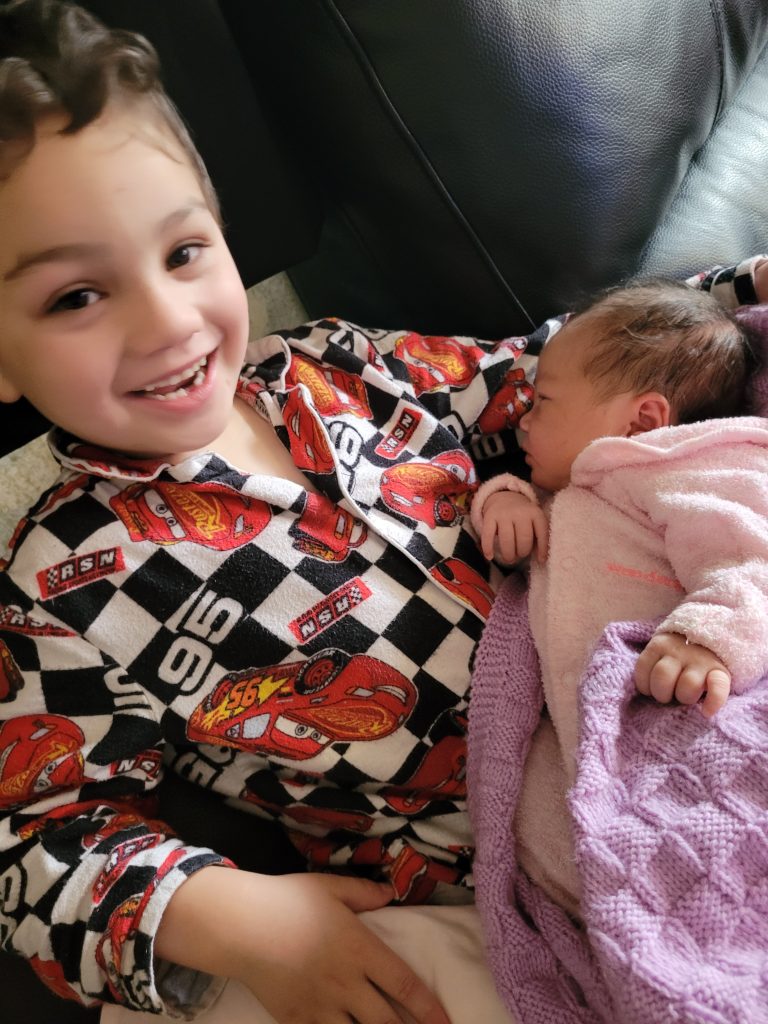
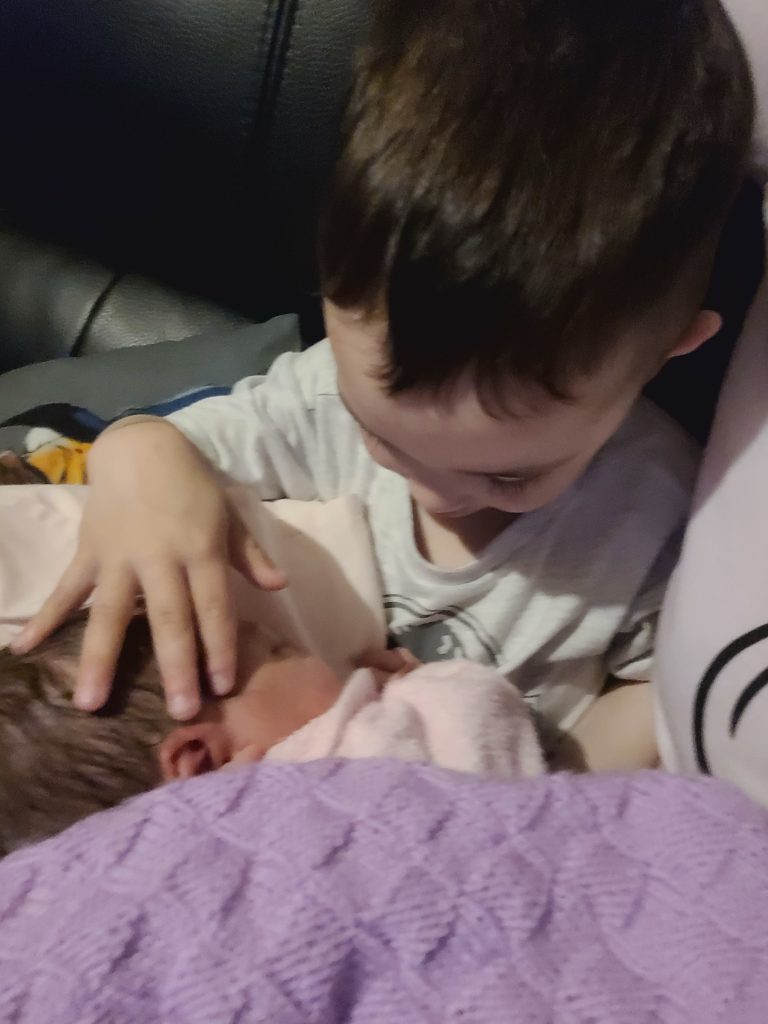
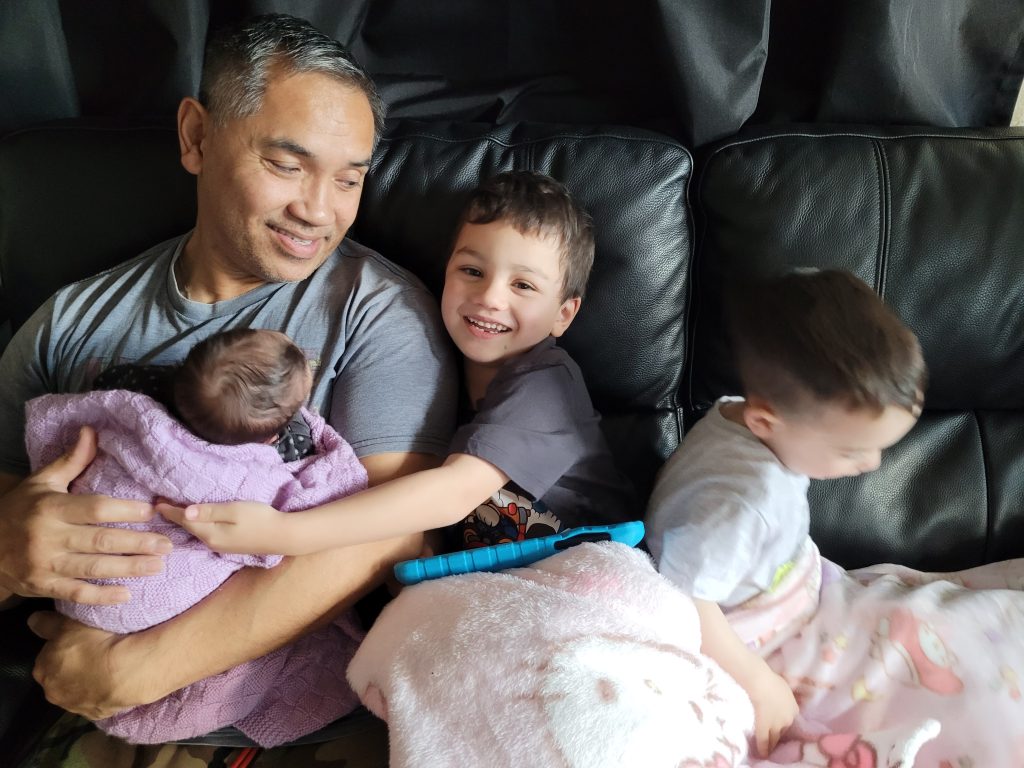
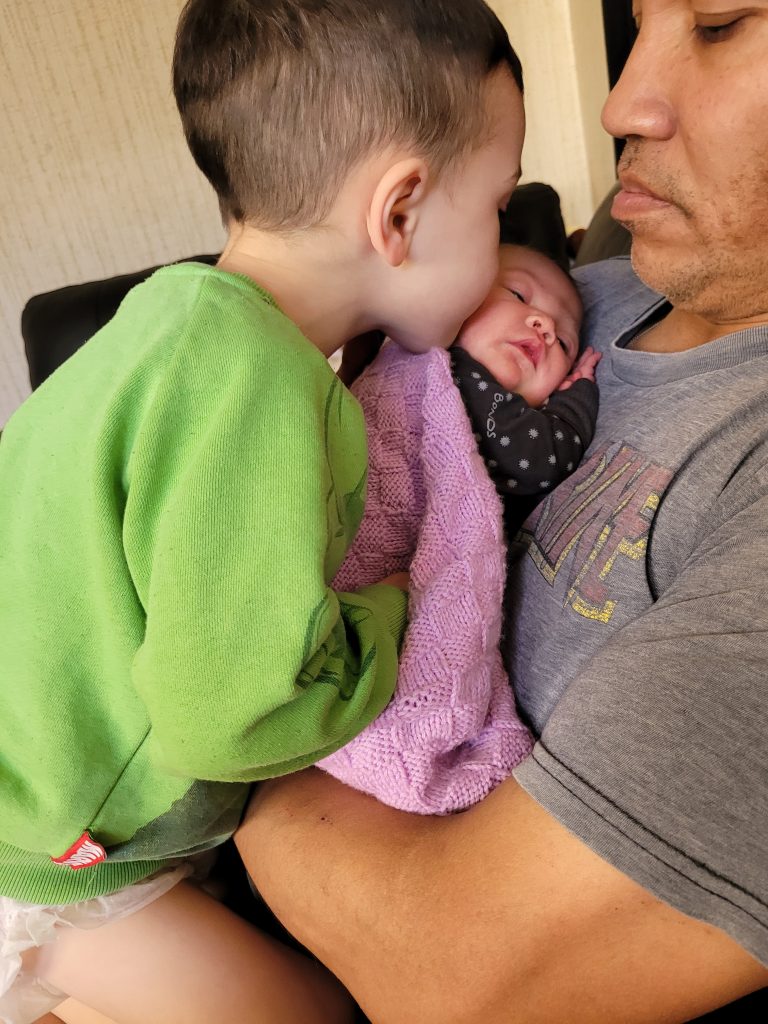
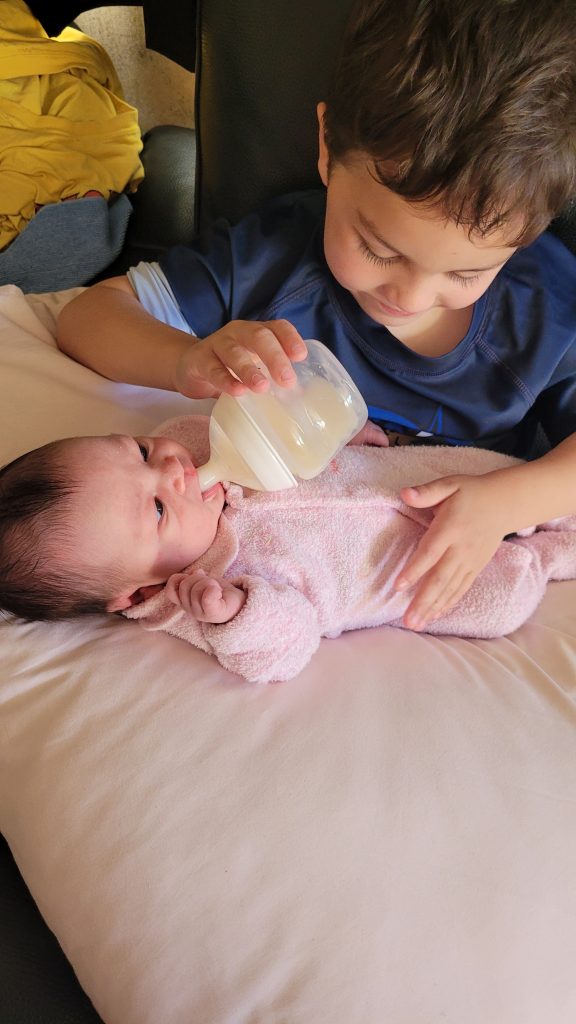
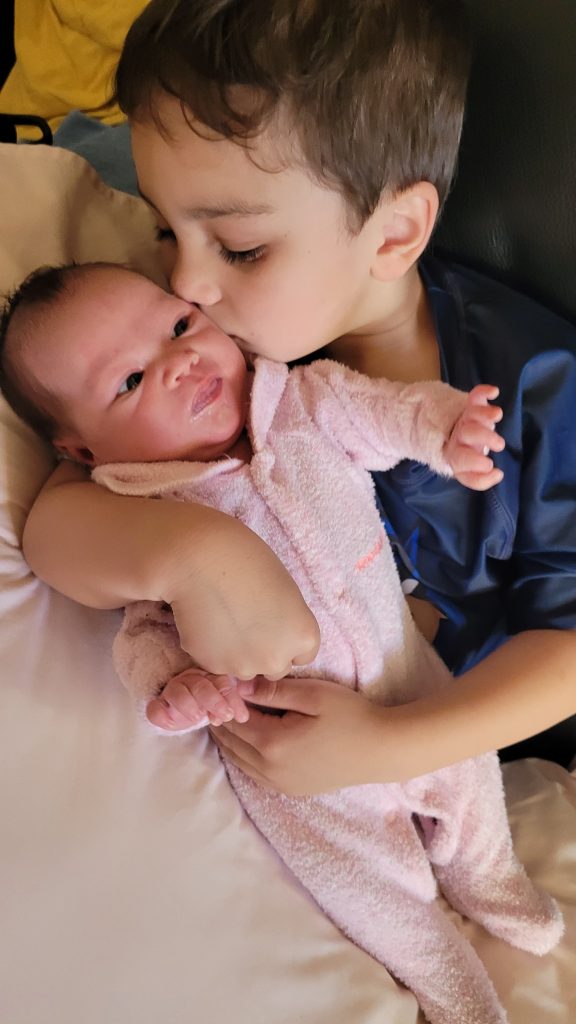
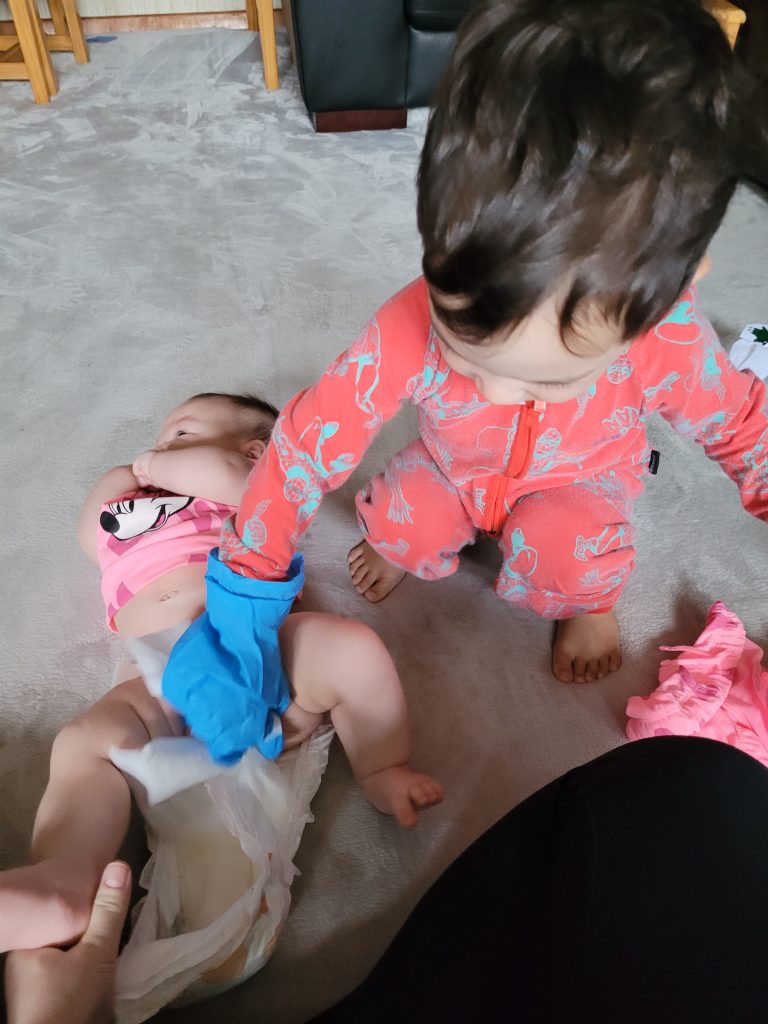
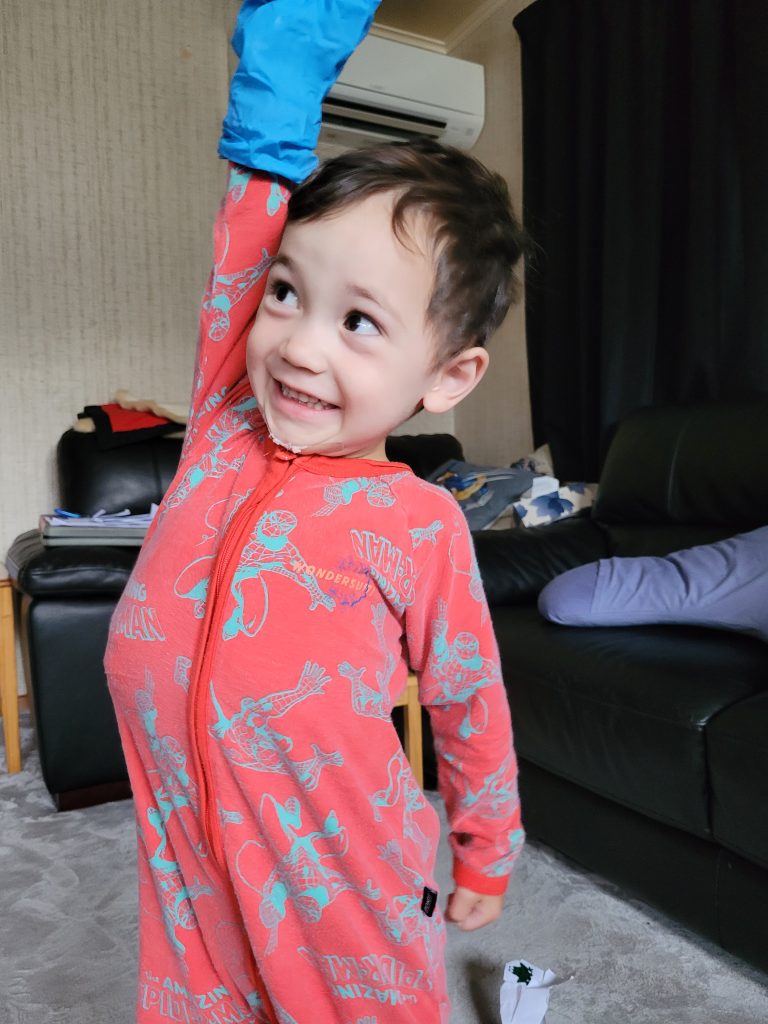
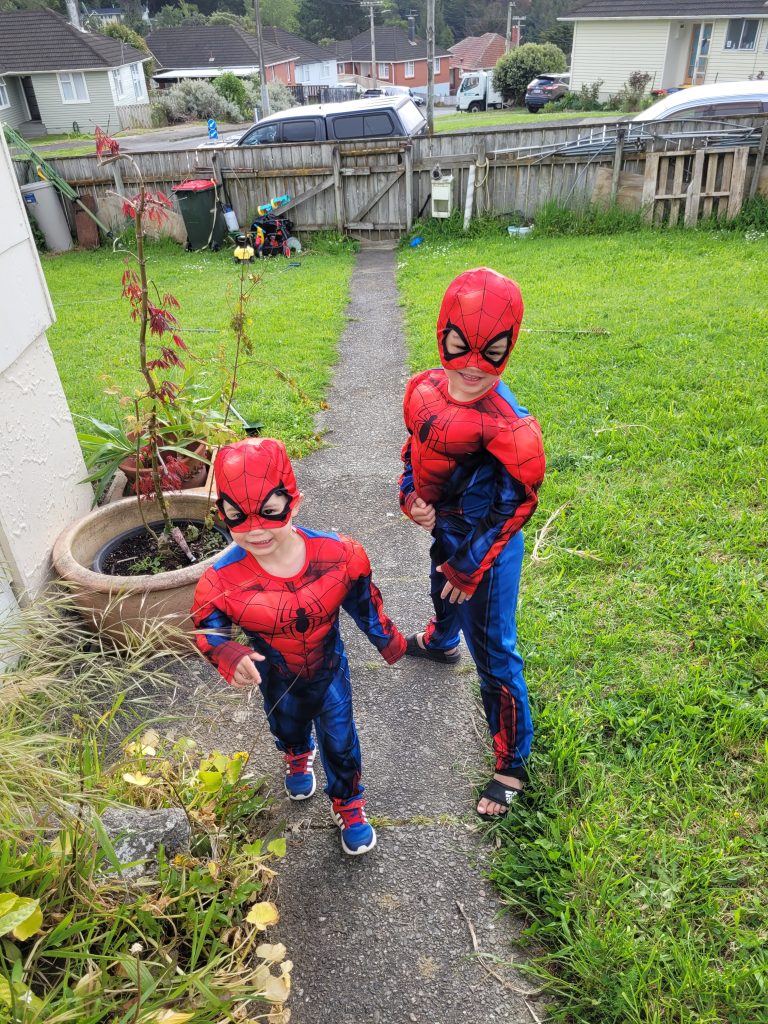
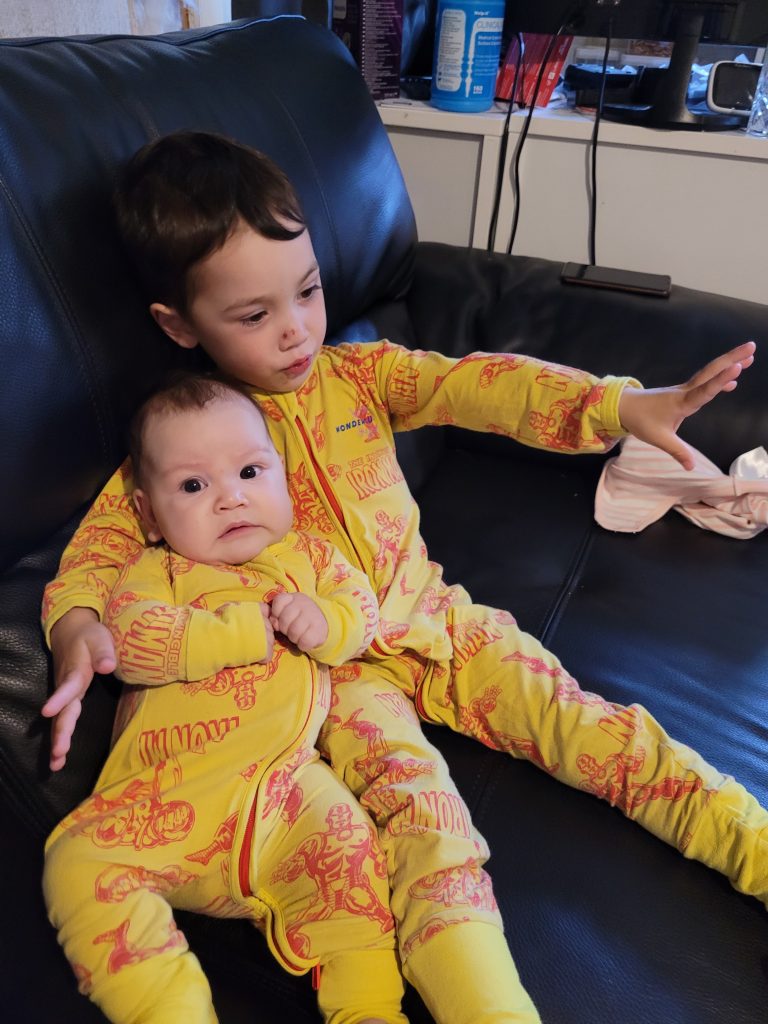
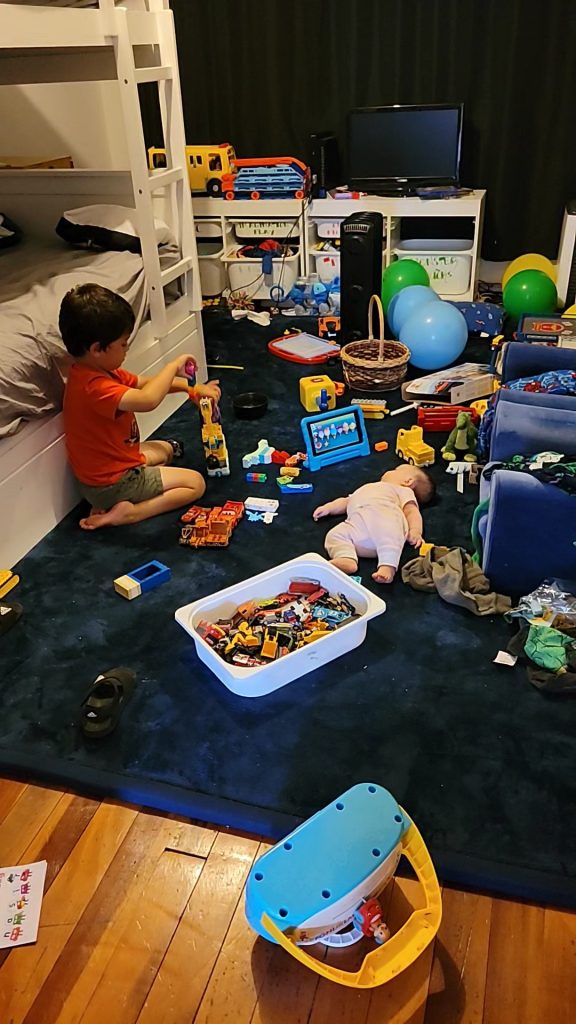

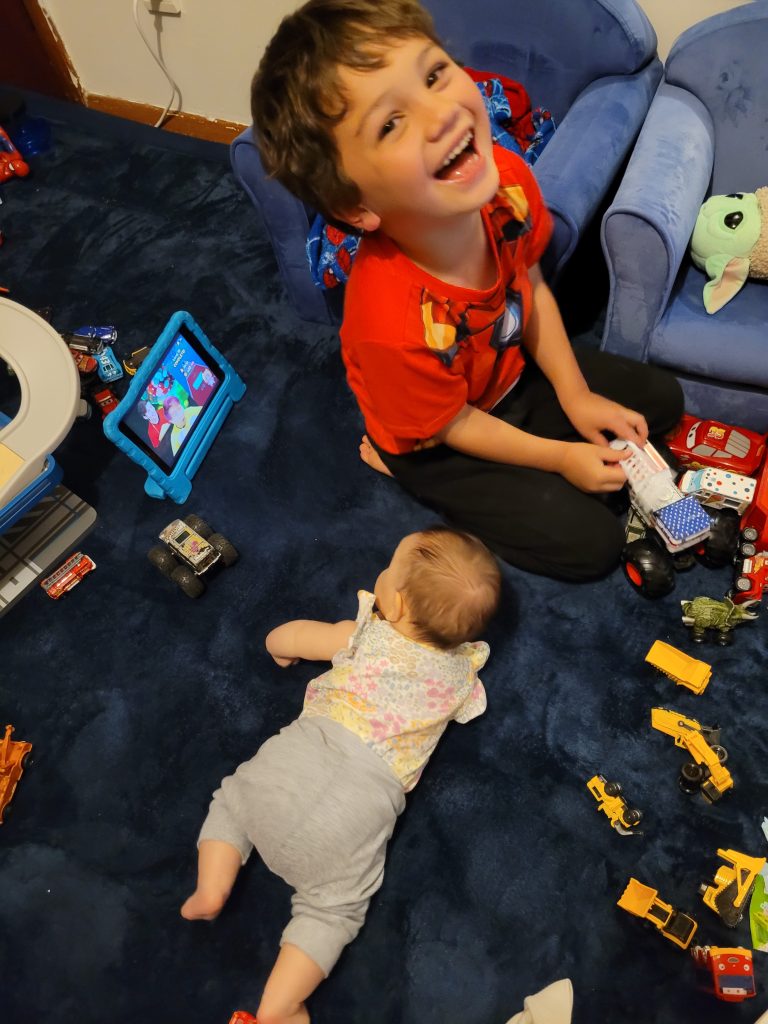
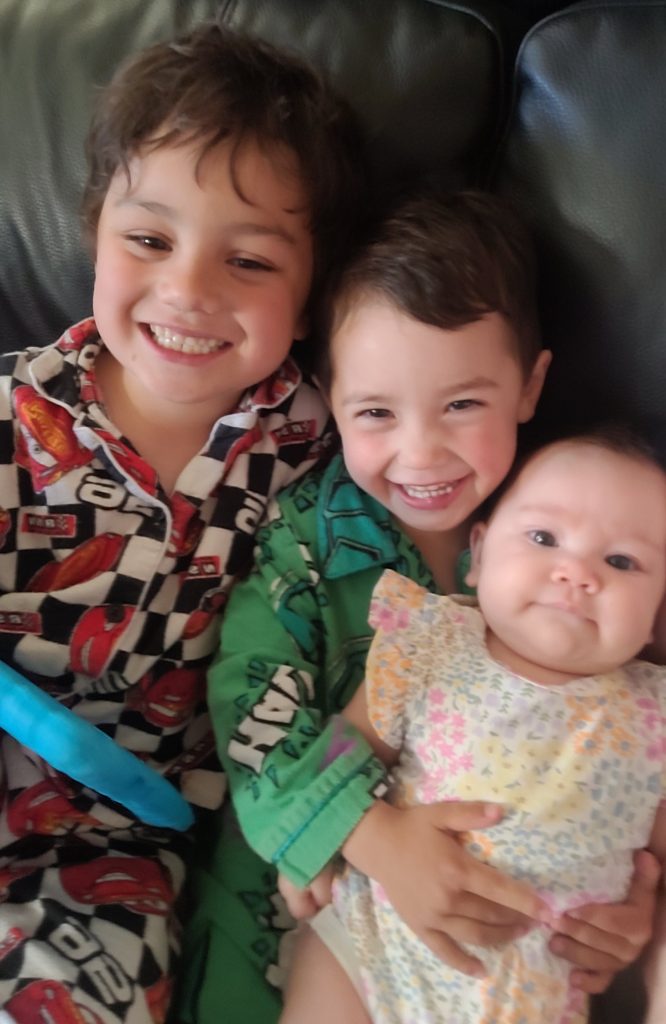
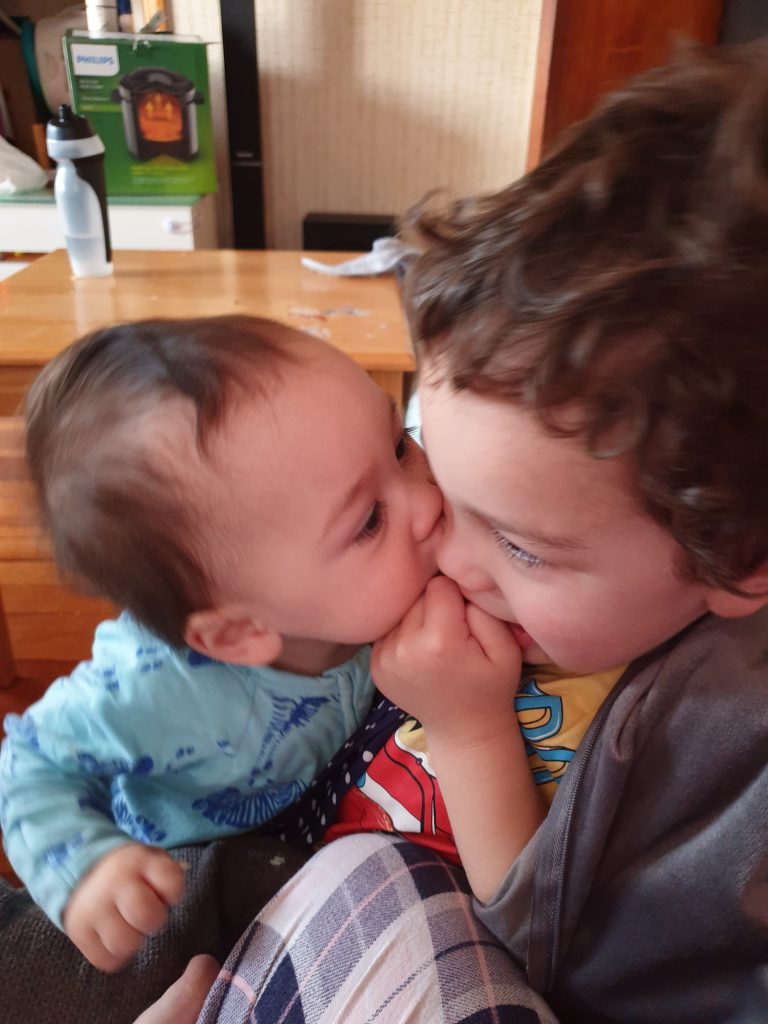
I don’t know how we did it or if the boys were naturally inclined to take on the role of big brother to a baby sister but I’ve never been prouder of them. From the moment they met her, they drowned her in love and adoration. Kisses, cuddles, telling her they loved her, wanting to feed her, bath her, change her nappy, sleep with her, and tell everyone about her. These sweet moments will keep a special place in my heart because they’re not just sweet moments, they’re loaded with emotional, cognitive, and social development for both of the boys.
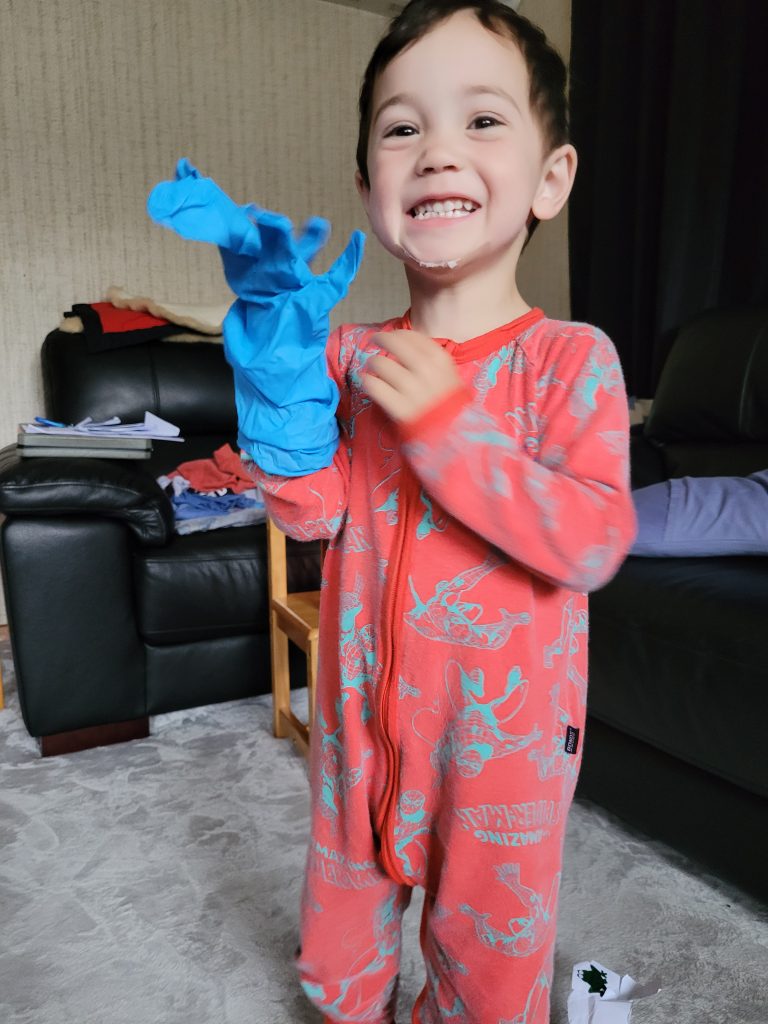
Before Aisha arrived, I didn’t think I could be a mum to a daughter. All I knew was boys. Growing up, life gave me brothers and adulthood gave me a husband and two sons, what business did I have parenting a girl? I would have been fine with the little family we had as it was. Let me tell you, this girl was the puzzle piece we didn’t even know we were missing. She is the apple of our eye. Rahim seems like he was born to be a big brother so much so he wanted to change her poopy nappies! He found blue vinyl gloves like they do at daycare, prepared the nappy, pulled out the wipes and helped me clean her. Now if she poops, you can find him in a corner, gagging! Rahim would also want to carry her everywhere (even as a newborn, they were the same size), hold her, match clothes, and do everything he possibly could with her.
And We Just Live In It!
Nasir, he blew us away in a completely different way to Rahim. He gave her space but still absolutely wanted to be 100% involved. Don’t get me wrong, poopy Nappies we gross but he was still very curious. He wanted to hold her but would express that he was sad if Rahim had her. I would find him letting her watch his tablet with him or giving her his tablet to watch and he would play with toys if I asked him to watch her while I did something quickly like get the washing in; he would barely do this with or for Rahim.
Since his baby girl Aisha has been here, they’ve created this beautiful bond. Apart from mum, who she needed to survive, Nasir was her favourite. He was gentle, doting, and patient with her and she loved his attention. She would stare at Nasir all the time and when she learned how to cuddle and kiss, she was all over him. He’s taken on this role like a champion and knocked it out the park! I’m not sure why she didn’t totally love being smothered in love by Rahim, but she is certainly loving how he plays with her now. See, what did I tell you? He wears these kids down with his love, and if I’m being reflective, he did the same with me while I was battling my own head.
How Aisha Has Helped Nasir.
I can’t attribute his progress to any one thing but since Aisha has been here, Nasir has implemented some of the strategies we use on him:
- Modeling words or sounds: When Aisha started forming sounds, Nasir naturally mirrored what we’ve been doing with him. He’d get right beside her and repeat sounds with her, as if guiding her through the same steps he was learning.
- Speaking to her: His voice softens and rises when he speaks to her, as though he instinctively knows how to engage with his Aisha. He tells her how cute she is, invites her to play, and even gives her little instructions, all in a tone we never taught him—it’s something he just picked up.
- Sharing with Aisha: He’ll share with Aisha and maaaaaybe Rahim. He’s identified that she is small and needs more attention, help, or just better interactions and he is all for it!
- Sense of responsibility: This time around, he is able to express that he would like to hold, carry, help, and comfort his sister. When she was days old, Nasir announced that he she wanted a bottle and took it upon himself to prepare one for her. It was her first bottle. With Aisha around, Nasir has a sense of responsibility that he has created for himself. It. Is. Beautiful.
- Movies on replay: Aisha loves her some Disney Princesses! We would cycle through different movies, that she enjoyed, to have playing in the background. A daily favourite was Beauty and the Beast which quickly became a heavily quoted movie in our house. Nasir learned at which points characters would talk, what they would say, and how they would say it then imitate as it was happening. And because this was my favouri… I mean, Aisha’s favourite.. but because we all knew the story, it was easy to create dialogue with Nasir in the form of the characters interactions. Did I try to make my sons watch this movie before Aisha was around? YES! Were they interested? NO! But, y’know, whatever baby girl Aisha wants…
From a parental perspective, having siblings for Nasir has been the best developmental tool we could have imagined. While we wait for further diagnoses or to see how he outgrows certain delays, watching him fully embrace his role as a big brother has been remarkable. Nasir is not just absorbing lessons anymore—he’s teaching them. As he teaches Aisha how to make sounds, how to climb, how to love, he’s also reinforcing his own understanding and skills. Nasir and Rahim both come alive when they step into Big Brother Mode, and seeing their care, patience, and love for Aisha makes me prouder than you can know.
Should Parents Have Siblings for Their Children?
In Facebook groups, parents frequently as about whether they should have siblings after their delayed child. It’s a tricky question to answer in a medical sense because there could be an underlying genetic condition that means subsequent children may have the same or similar conditions. This was a concern from our doctor when she told me about the results, but we were already pregnant with Aisha at this stage so a little too late. From what we can tell this far, Aisha is doing well with her language and communication, so this isn’t something we’ve had to intervene with.
Tips for Preparing Your Child for a New Sibling
When introducing a new sibling, consider how you can facilitate positive interactions between your children. According to Bandura’s Social Learning Theory, children learn behaviours by observing others. Encouraging your older child to model communication skills for the new baby can create a supportive learning environment. This can be as simple as inviting them to ‘teach’ the baby new words during playtime.4




- Talk Openly About the Change: Start conversations about the new baby early on. Explain what to expect and encourage your child to share their feelings—both excitement and concerns. It’s important to validate their emotions and reassure them that their feelings are normal.5
- Involve Them in Preparations: Let your child help with baby preparations, like setting up the nursery or picking out baby clothes. This involvement can make them feel included and important in the process.6
- Read Books Together: Find children’s books that talk about becoming a big sibling. Reading together can help your child understand what having new siblings means and how their role will change.7
- Role-Play Scenarios: Use dolls or stuffed animals to role-play situations they might encounter with the new baby, like sharing toys or helping with feeding. This can help your child practice their reactions and understand their new responsibilities.8
- Create a Special Bonding Time: Set aside special time for just you and your child, even after the baby arrives. This time can help reinforce their importance and reassure them that they are still a priority.9
- Teach Empathy and Sharing: Start discussing the importance of sharing and being gentle. Encourage them to practice these skills by playing games or interacting with younger children.10
- Prepare for Attention Shifts: Explain that, at times, the new baby will need more attention. Emphasize that this doesn’t mean your love for them has changed. Consider creating a visual schedule so your child can see when they’ll have dedicated time with you.11
- Praise Their Adjustments: Acknowledge and praise your child’s efforts to be helpful and kind to the new sibling. Positive reinforcement can boost their confidence and encourage more of the same behaviour.12
- Be Patient with Emotions: Understand that your child might exhibit jealousy, frustration, or other mixed emotions once the baby arrives. Be patient and provide them with tools to express their feelings, whether through words, drawing, or play.13
- Maintain Routines: Try to keep existing routines as consistent as possible. Familiar routines can provide a sense of stability and security during this transitional period.14
By applying these evidence-based strategies, parents can foster healthier sibling relationships and create a nurturing environment that allows both the new baby and the older sibling to thrive together. Remember, every family dynamic is unique, so be flexible and adapt these suggestions to fit your family’s needs.
Started From the Bottom, Now We’re Here.
As a parent, watching Nasir take on these roles with his siblings has been one of the most rewarding experiences. While the journey has had its challenges, the love, patience, and growth I’ve seen in Nasir have shown me that having siblings was truly one of the best decisions we could have made for him. I never anticipated how much I would learn from Nasir while watching him embrace his new role. It taught me a different kind of patience, one that goes beyond the typical challenges of parenting. I’ve learned to chillout, slow down and celebrate progress, even in the smallest steps.
It’s exciting to watch Nasir’s relationships with Rahim and Aisha continue to grow. They already share a special bond, and I know that, despite the challenges, these siblings will always be there for each other as they discover the world.
Thank you for strapping in on our rollercoaster journey!
Elysha
Disclaimer: This post is based on our family’s personal experiences with introducing siblings to a child with developmental delays. Every child and family dynamic are different, and what worked for us may not necessarily work for everyone. If you’re navigating similar challenges, it’s important to consult with healthcare professionals or specialists who can provide guidance tailored to your child’s unique needs. We’re sharing our story to offer support and insight, but always trust your instincts and seek advice when needed.
References.
- Kirk, S. A., & McCarthy, J. (2017). “Sibling Interaction and Development.”
Child Development. ↩︎ - Baker, C. (2013). Modeling Behavior in Sibling Relationships. Journal of Family Psychology. ↩︎
- Smith, A. L., Romski, M., & Sevcik, R. A. (2013). “Examining the Role of Communication on Sibling Relationship Quality and Interaction for Sibling Pairs With and Without a Developmental Disability.”
American Journal of Intellectual and Developmental Disabilities, 118(5), 394-409. ↩︎ - Bandura, A. (1977). Social Learning Theory ↩︎
- Cowan, P. A., & Cowan, C. P. (2014). “Promoting Positive Parent-Child Relationships During the Transition to Siblinghood.” ↩︎
- Tomlinson, H., et al. (2017). “Engaging Young Children in Family Transitions: The Role of Inclusion in New Sibling Preparations.” ↩︎
- Brody, G., & Stoneman, Z. (1987). “Using Literature to Prepare Children for New Sibling Adjustments.” ↩︎
- Hoffman, C. D., et al. (2012). “Using Role-Play to Ease Sibling Transitions in Preschool-Age Children.” ↩︎
- McHale, S. M., et al. (2015). “The Role of Parent-Child Interaction in Sibling Transition Experiences.” ↩︎
- Dunn, J., et al. (1991). “Empathy and Sharing as Predictors of Positive Sibling Relationships.” ↩︎
- Kowalski, S. (2003). “Helping Children Cope with Changes in Family Attention.” ↩︎
- Gunderson, E. A., et al. (2013). “The Influence of Praise on Children’s Behavior.” ↩︎
- Kendrick, J. (2016). “Supporting Children Through Emotional Transitions.” ↩︎
- Moreno, A. J. (2014). “The Importance of Routines in Helping Children Cope with Transitions.” ↩︎