
Building Blocks In Communication: The Tools Helping Nasir Thrive.

Watching a child struggle to express themselves or keep up with their friends is tough as a parent. For Nasir, we’ve found creative ways to support his growth through various building blocks that align with his interests. Each tool we’ve introduced, whether it’s screen time, favourite books, or hands-on play, has played a unique role in his learning journey. And while screen time often gets a bad rap, sometimes unconventional methods become powerful building blocks in development. These tools have worked synergistically with the speech and language strategies we’ve weaved into Nasir’s life.
Learning Through Language: Overcoming Barriers
Language barriers aren’t new to my family. When Supry came to New Zealand as a child refugee, he was thrust into a world where he couldn’t communicate with anyone and heavily relied on television programs to learn English. He still, to this day, loves the classic English comedy shows; Mr. Bean, ‘Allo ‘Allo, etc. Similarly, when I learned Te Reo Māori in college, practicing outside of class was tough with no speakers at home. My Kaiako strongly recommended speaking to our classmates exclusively in Māori as well as watching Māori TV at home to supplement our homework. Like Supry and I, Nasir has had to rely on media, shows, and other building blocks to bridge his language gap, especially since speech delays have been a challenge. And yes—this includes screen time.
Despite the judgment surrounding screens, we’ve seen that if Nasir enjoys something, there’s learning potential there. Through shows, apps, and movies, he has been able to connect with language, manage emotions, and even teach us a few techniques he’s picked up. When something captures his interest, he dives deep, and we love watching him learn through his passions.
VARK Framework for Nasir’s Development Tools
VARK is a learning model designed to categorise individuals into different learning preferences based on how they absorb and process information. The acronym VARK stands for:


The VARK framework helps in tailoring learning tools to an individual’s preferred styles—visual, auditory, reading/writing, and kinesthetic—making learning more effective and engaging. By understanding and applying VARK, you can create a more personalised and multi-modal approach that aligns with a learner’s strengths, ultimately enhancing retention and comprehension.
For example, a multi-modal approach for a child like Nasir, who learns well through various activities, might combine visual aids (like videos or colourful books), auditory tools (like songs or stories), hands-on play (with building blocks or sensory toys), and reading or storytelling. By engaging multiple styles, VARK supports progress in a well-rounded way, making it easier for learners to grasp and retain new concepts while building confidence in their unique abilities.
Tools and Activities That Have Supported Nasir’s Development
Below is a look at the various building blocks—tools, resources, and activities—that have been particularly valuable. Each has been a steppingstone in supporting Nasir’s unique development needs.

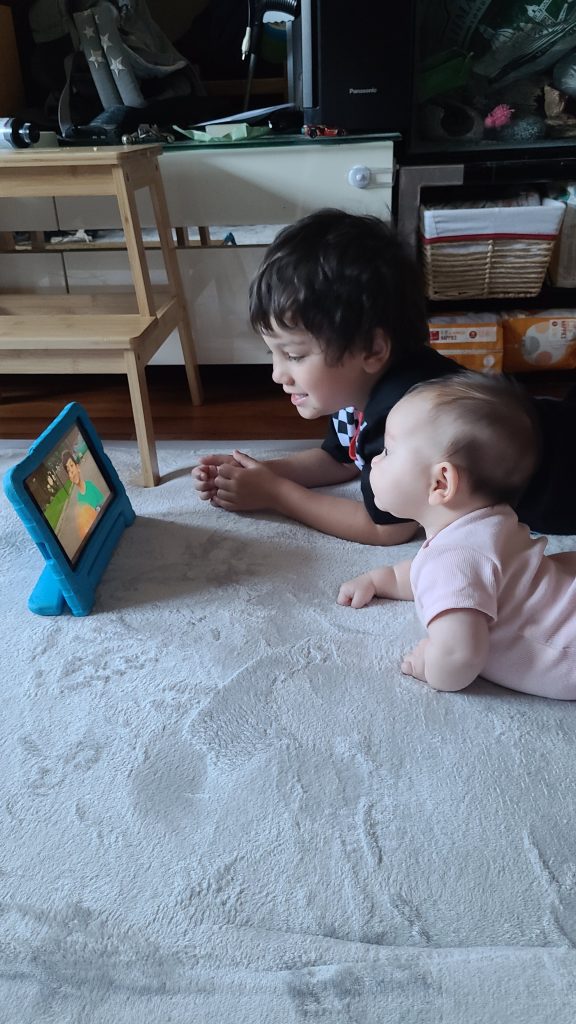

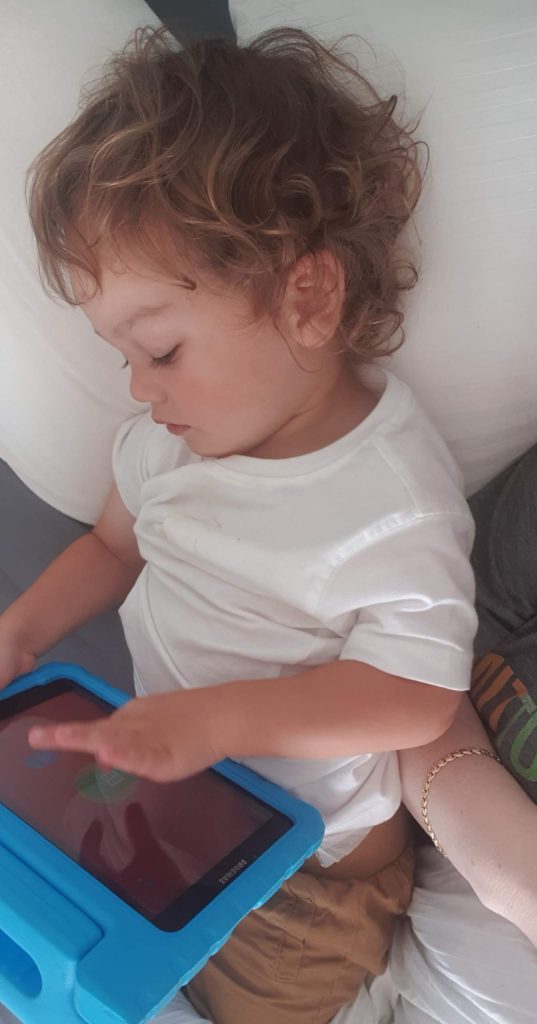
Tablet & Apps
Roblox (Creative Gameplay) – Nasir enjoys playing Roblox, a platform that allows him to engage with games created by other users. Through the interactive nature of Roblox, Nasir practices following instructions, problem-solving, and collaboration, all while engaging in social play. The game’s flexibility supports his creativity and helps him develop cognitive skills in a fun, immersive environment.
Rainbow Friends (Interactive Play) – Rainbow Friends is one of Nasir’s favorite apps, where he can interact with characters in a colourful, imaginative world. This app helps him improve his fine motor skills as he taps, drags, and clicks on different elements. It also fosters his ability to focus and follow simple narrative-driven tasks, supporting both cognitive and social development.
Numberblocks (Learning through Play) – Inspired by the characters and themes from his favorite TV show, Numberblocks, Nasir uses a corresponding app to reinforce math concepts. The app introduces Nasir to numbers, counting, and basic arithmetic in an interactive way, using visual cues and engaging activities. This type of play supports Nasir’s understanding of numbers in a tangible, hands-on manner, reinforcing the early math skills he’s learning.
Reading App Interaction (Literacy Development) – Nasir is learning to recognise app names and reading them aloud as part of his literacy practice. With parental controls on his new tablet, he’s encouraged to read the names of apps before downloading them, providing valuable reading practice. This process supports his language development and comprehension, while reinforcing the importance of literacy in his daily activities.
Movies & Shows
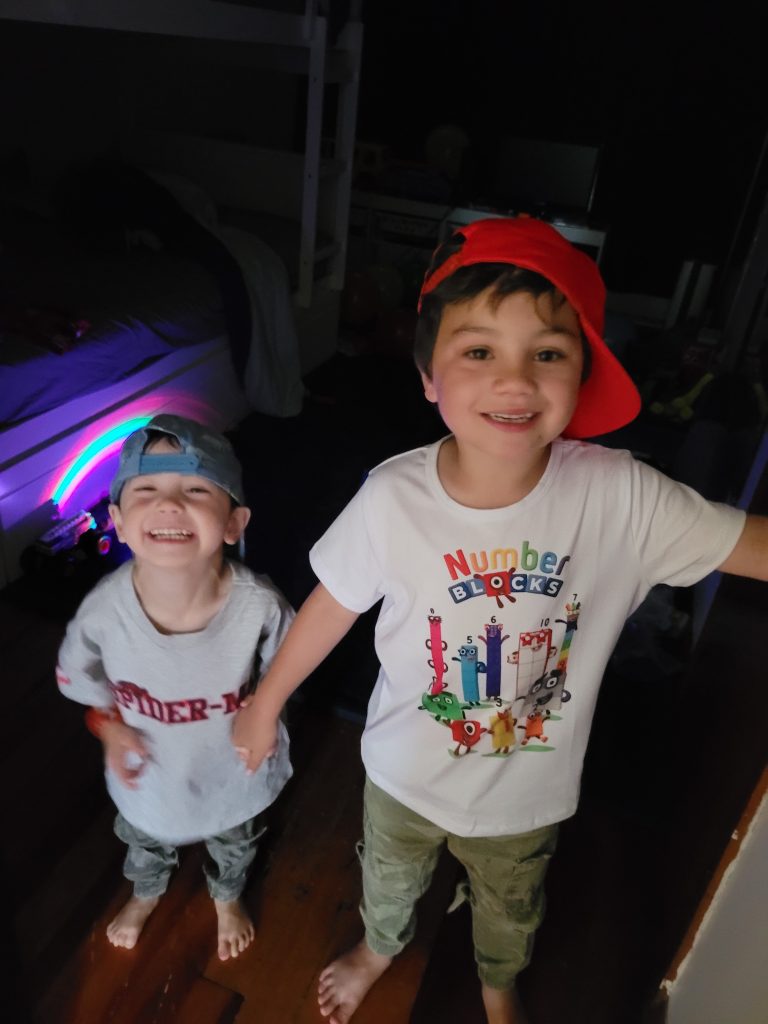
Nasir loves re-watching favourite movies and acting out scenes. By repeating dialogue and performing the actions, he practices language and expression naturally. Programs like Numberblocks introduce math basics that he enthusiastically applies during play. Studies show that educational media can improve vocabulary and early literacy skills in children with language delays (Nichols, 2018). This is nothing new but with the stigma that comes with allowing children screen-time, it’s nice to hear and hopefully lets parents to feel more at ease (especially if they use tablets and the like for a break).
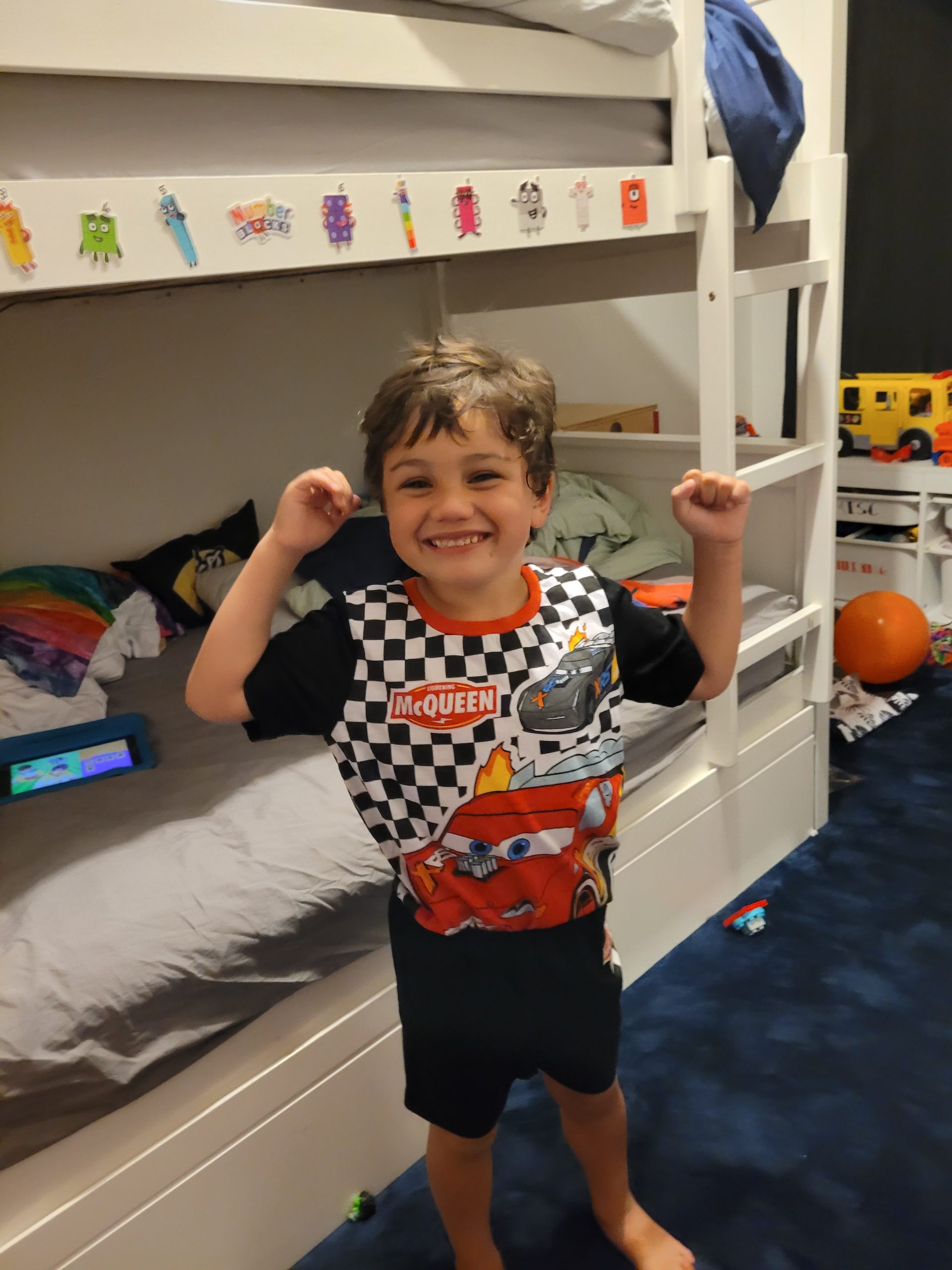
Shows like Doggyland not only have catchy tunes but also reinforce positive behaviour strategies like “Breathe like a dragon,” which Nasir now uses during stressful moments. After listening to this song on repeat when it was released and learning the words, I try to remind Nasir and Rahim when they are upset. It doesn’t always work, but it’s a useful technique to support emotional regulation, which is important for all children. I had a very humbling moment with him as he used this strategy to calm me down as I was feeling the common overwhelm that accompanies motherhood. He held my face in his hands, looked me in the eyes, and calmly stated “It’s ok mummy, breathe in and out”. It was magic to hear that he not only understood what this meant, but that he also knew how to implement it when someone else is experiencing big feelings.
Nasir’s Favourite Movies & Shows:
- Doggyland – Helps Nasir manage emotions and learn positive social behaviours. The show’s catchy songs and routines promote self-regulation, sharing, and kindness, giving him simple, relatable phrases like “Breathe like a dragon” to calm down in tense moments or repeating the Affirmations song, enforcing self-love.
- Numberblocks – Introduces foundational math concepts like counting, addition, and spatial reasoning in a fun and visually engaging way. Nasir loves the characters and uses Numberblocks toys to recreate and extend the learning beyond screen time.
- Super Simple Songs – Known for its easy-to-follow, repetitive tunes, this YouTube channel has songs that introduce Nasir to basic language patterns, vocabulary, and movements. Songs often include counting, actions, and simple directions, which are ideal for reinforcing language and fine motor skills.
- Inside Out 1 & 2 – These animated movies dive into emotions and how they affect behaviour, using characters based on feelings like Joy, Sadness, and Anger. Watching them has helped Nasir identify and express his own feelings, as he relates to the characters’ journeys and sees ways to cope with his own emotional challenges.
Books and Their Film Versions
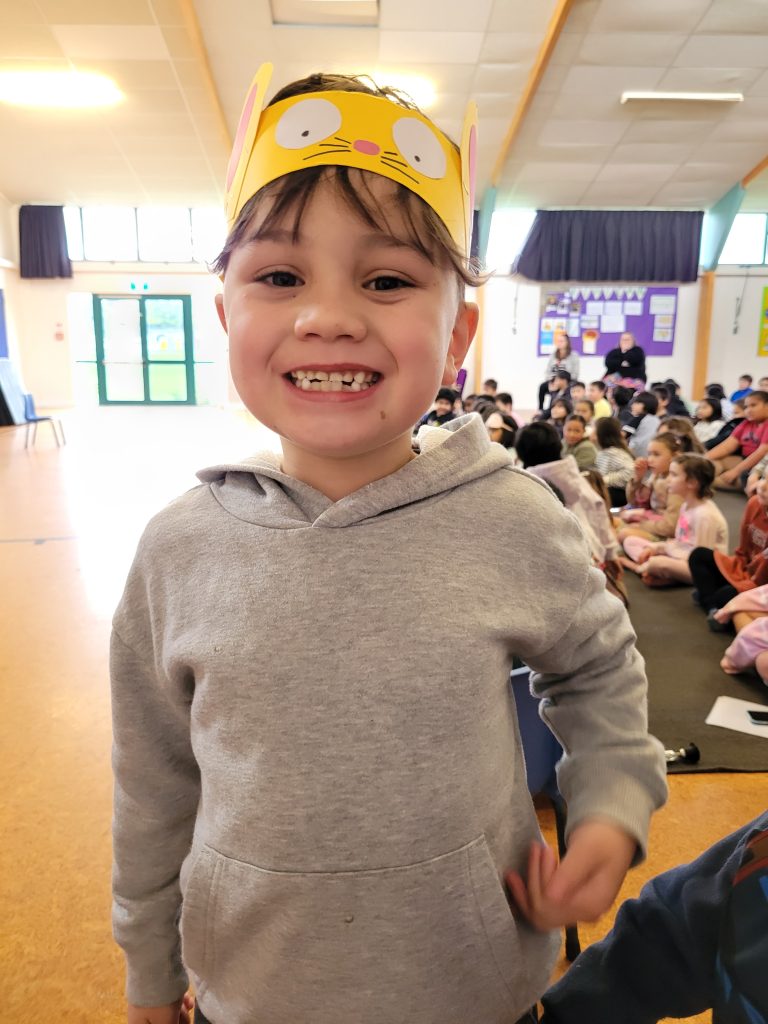
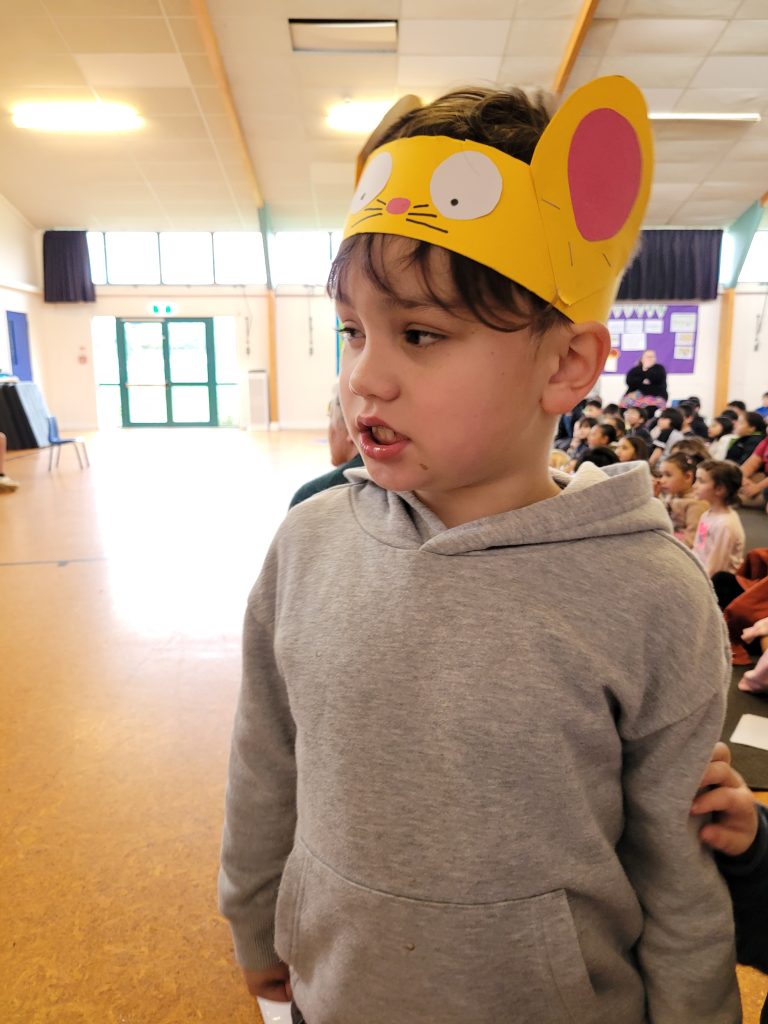
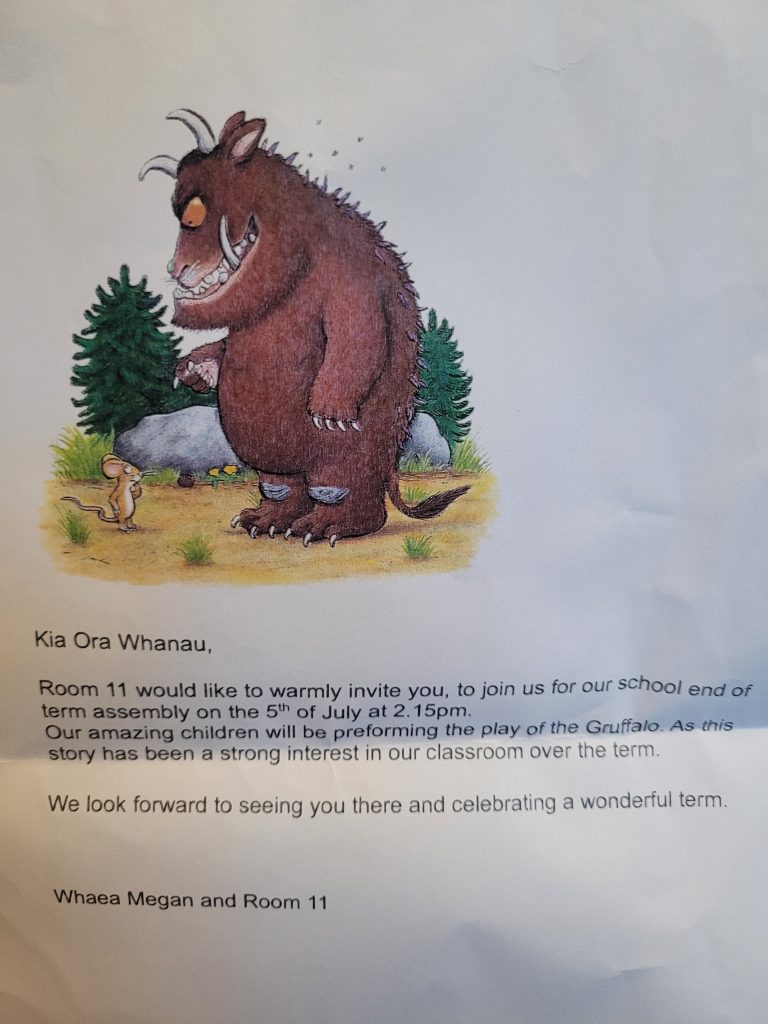
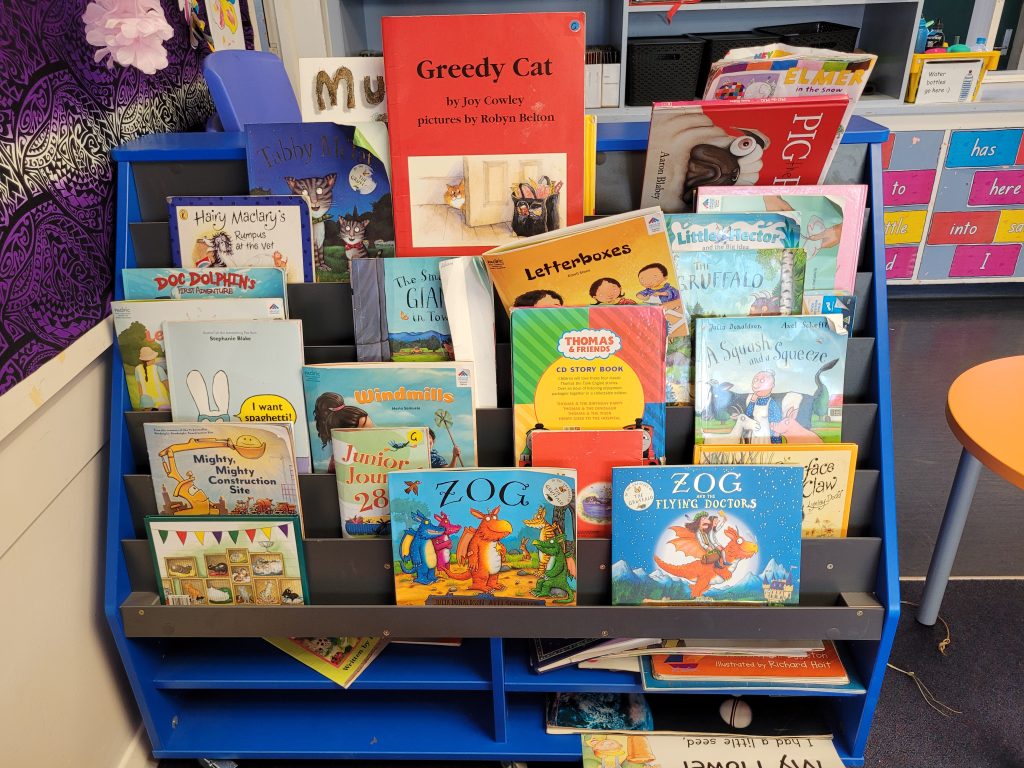
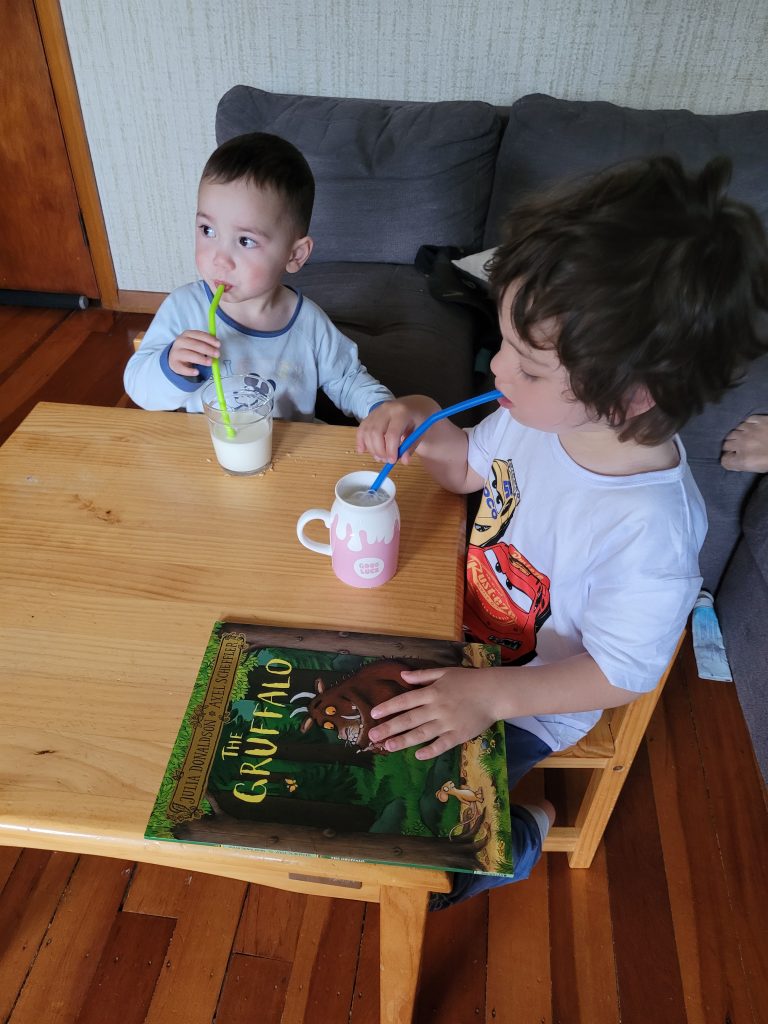
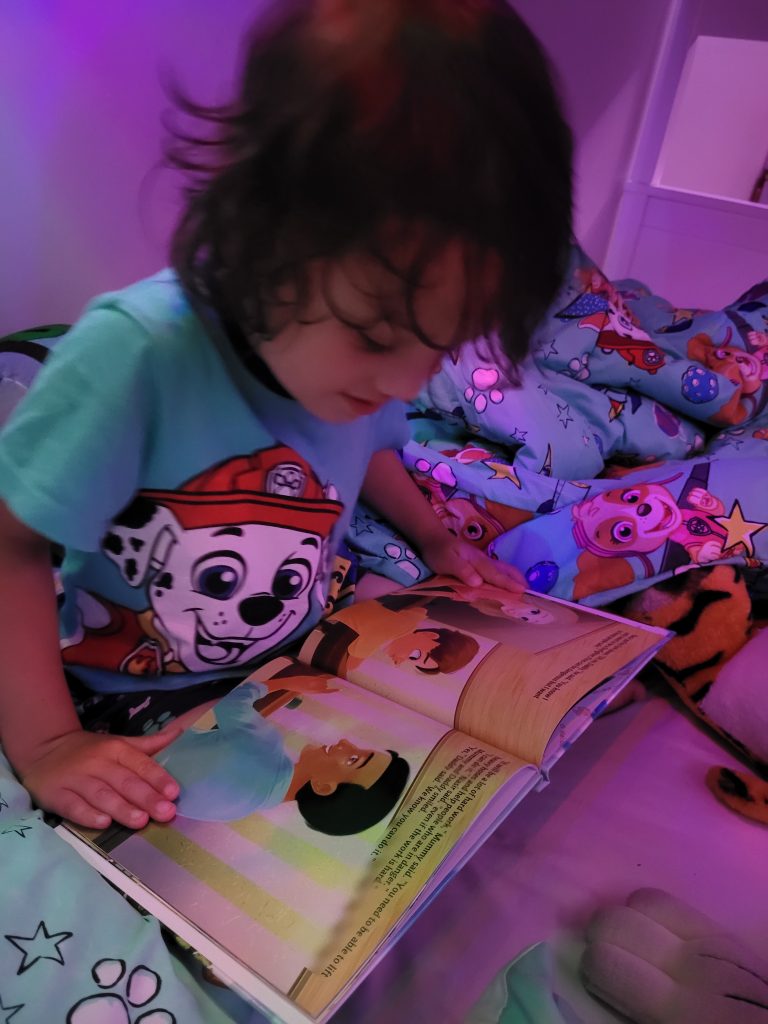
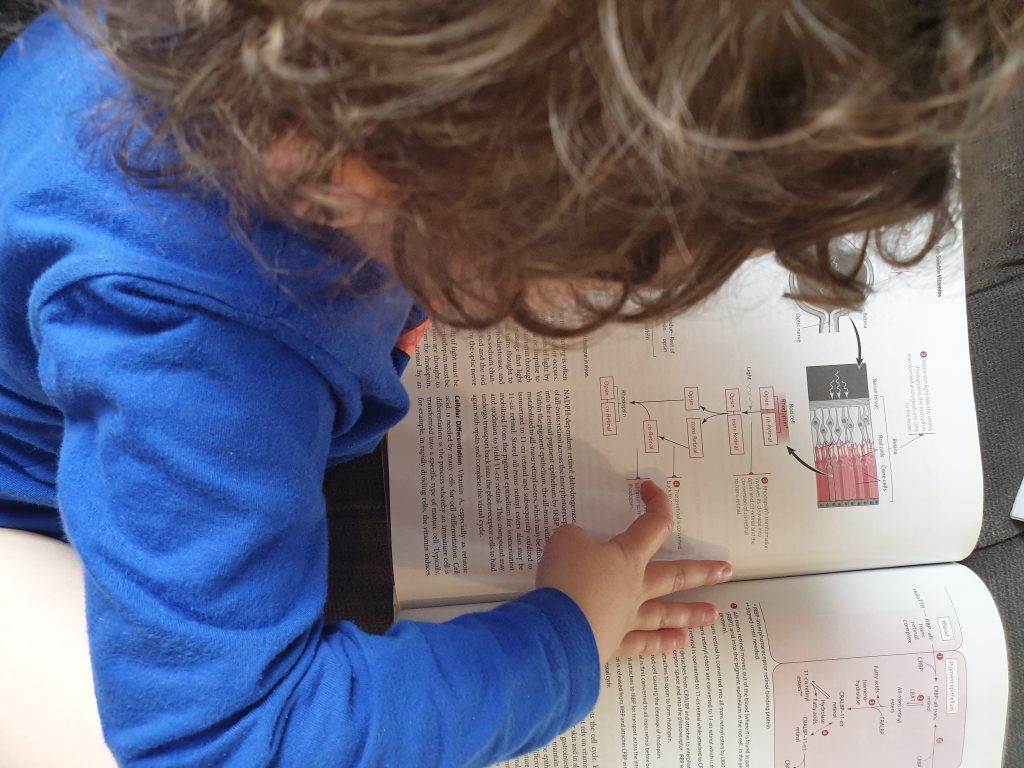
Favourite books such as The Gruffalo and Room on the Broom have also been game-changers. We’ve found short film adaptations of these books, helping Nasir connect written and spoken words, plus he gets a kick out of acting out scenes. This approach enhances his vocabulary, comprehension, and interest in reading. His teacher even staged a class performance of The Gruffalo, where Nasir proudly played the Mouse, showcasing his love for the story and growing confidence.
Nasir’s Favourite Books & Their Film Versions:
- Room on the Broom – Another favorite with rhyming text, Room on the Broom allows Nasir to follow along with complex sentence structures and diverse vocabulary. The story about friendship and problem-solving also offers opportunities for social learning as Nasir sees characters helping each other and working together.
- Stick Man – This book, with its repetitive phrases and adventurous storyline, reinforces the idea of perseverance and resilience, which is relatable for Nasir. The simple yet expressive language in Stick Man helps him connect emotions to words, which is especially beneficial for his emotional development.
- Zog and Zog & the Flying Doctors – With stories centered around trying one’s best and helping others, Zog and Zog & the Flying Doctors show the importance of practice and persistence. These stories give Nasir a fun way to explore the concepts of caring for others and working through challenges.
- The Tiger Who Came to Tea – This classic story introduces everyday concepts and routines with a fun twist. Nasir enjoys the storyline about unexpected guests and the family’s reaction, which subtly reinforces social conventions and responses to new situations.
- Hairy Maclary Collection – With its playful language and rhythm, this series from New Zealand provides Nasir with exposure to local vocabulary and accent. He finds it easy to engage with the simple yet vibrant descriptions, which supports his language and phonics learning.
- Captain Underpants – Recently, Nasir has taken a strong liking to Captain Underpants, which lets him explore humor and engage in imaginative play. The humorous dialogue and illustrations captivate him, providing a way to practice reading along and understanding more complex sentence structures in a lighthearted context.
Puzzles and Construction Sets
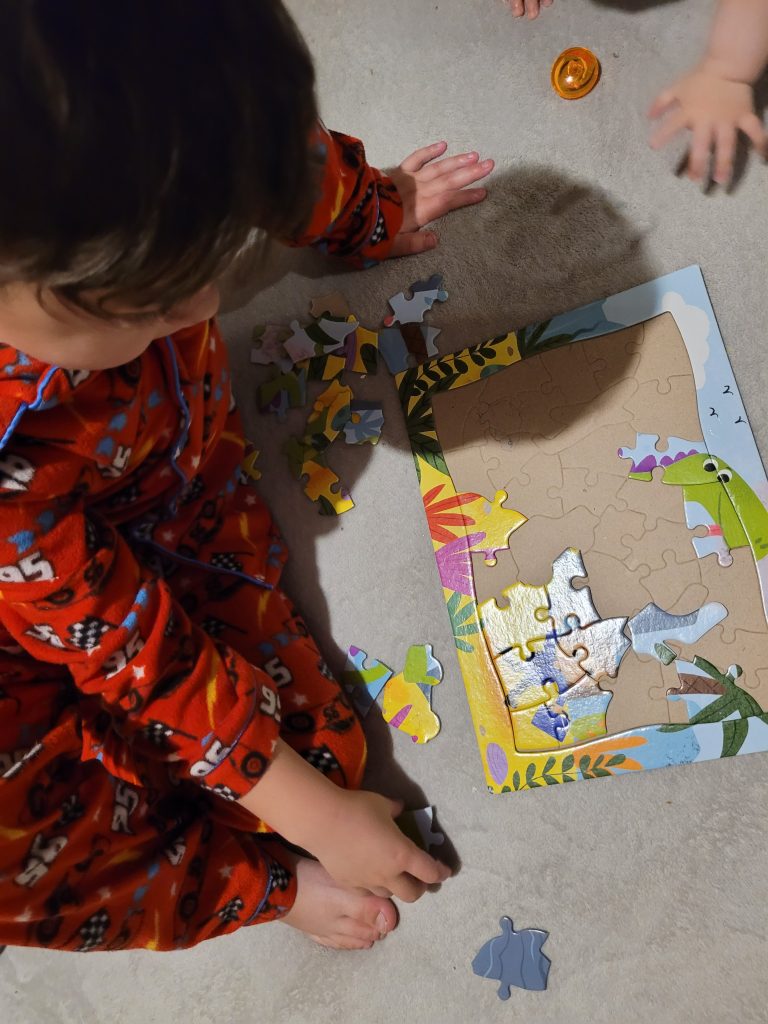
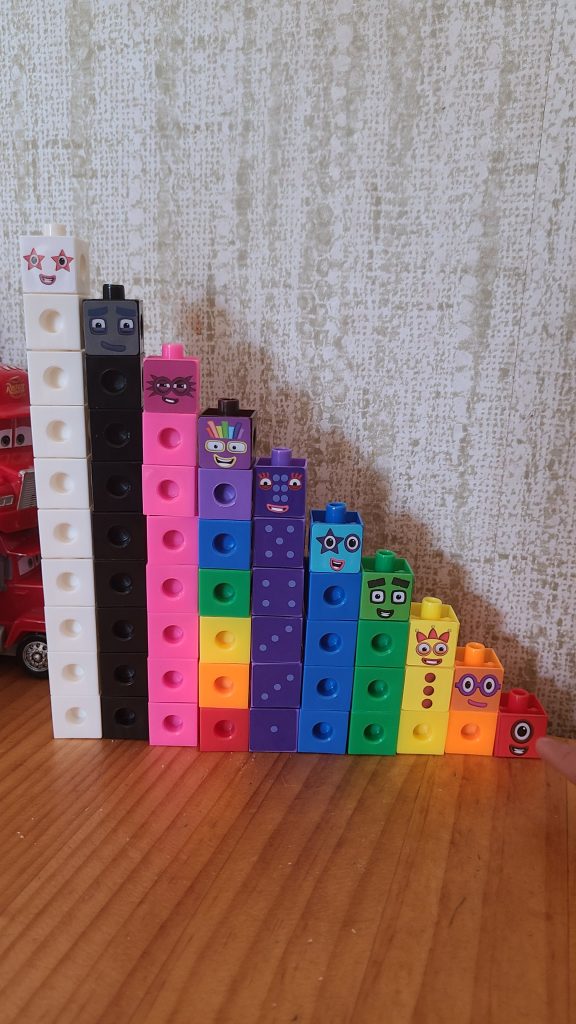
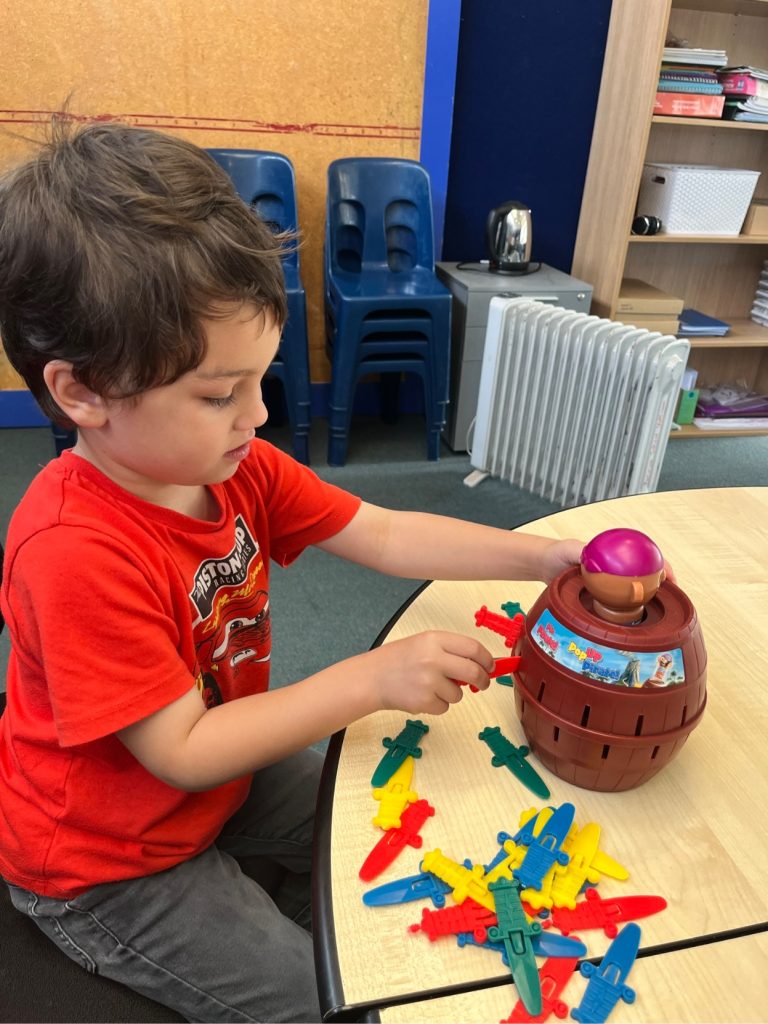

Building and creating are big with Nasir. He enjoys Numberblocks toys, magnetic tiles, and Duplo, which reinforce fine motor skills, counting, and spatial awareness. Family puzzle sessions also promote patience, problem-solving, and coordination in a fun, engaging way. We have tried to use puzzles as a way to spend time as a family but also to calm down before bed, instead of Supry hyping the kids up before they go to sleep as Rahim loves to puzzle when he’s feeling overwhelmed. It didn’t reduce the sleep time delay tactics, but it was nice to spend time together and have the kids happy before going to sleep.. Research indicates that puzzles and hands-on building sets can enhance cognitive skills and fine motor development (Tomopoulos et al., 2021).
Nasir’s Favourite Building & Puzzle Activities:
- Numberblocks (Connecting Squares) – Inspired by his favorite show, Numberblocks toys are a set of colourful connecting squares that allow Nasir to explore math concepts by building numbers in a hands-on way. By connecting squares to create different numbers, he practices counting, addition, and understanding numerical values. This play helps him see math as concrete and approachable, supporting early math learning in a fun, tactile way.
- Magnetic Tiles – Nasir enjoys building with magnetic tiles, which help him explore shapes, geometry, and spatial awareness. Connecting the tiles to create structures allows him to practice problem-solving and fine motor skills while gaining a sense of balance and design. This boy loves to make and “sell” ice-creams.
- Duplo Blocks – With these large building blocks, Nasir practices sequencing, sorting, and basic engineering as he constructs simple structures. This activity supports his patience and perseverance, as well as his cognitive and fine motor development. Building with Duplo is an excellent introduction to understanding sizes, stability, and imagination-based play.
- Family Puzzle Time – Puzzles are both entertaining and valuable for developing Nasir’s focus, pattern recognition, and teamwork skills. Each puzzle piece he places enhances his patience and motor coordination, while completing a puzzle offers a sense of accomplishment and boosts his confidence.
Outdoor and Sensory Play
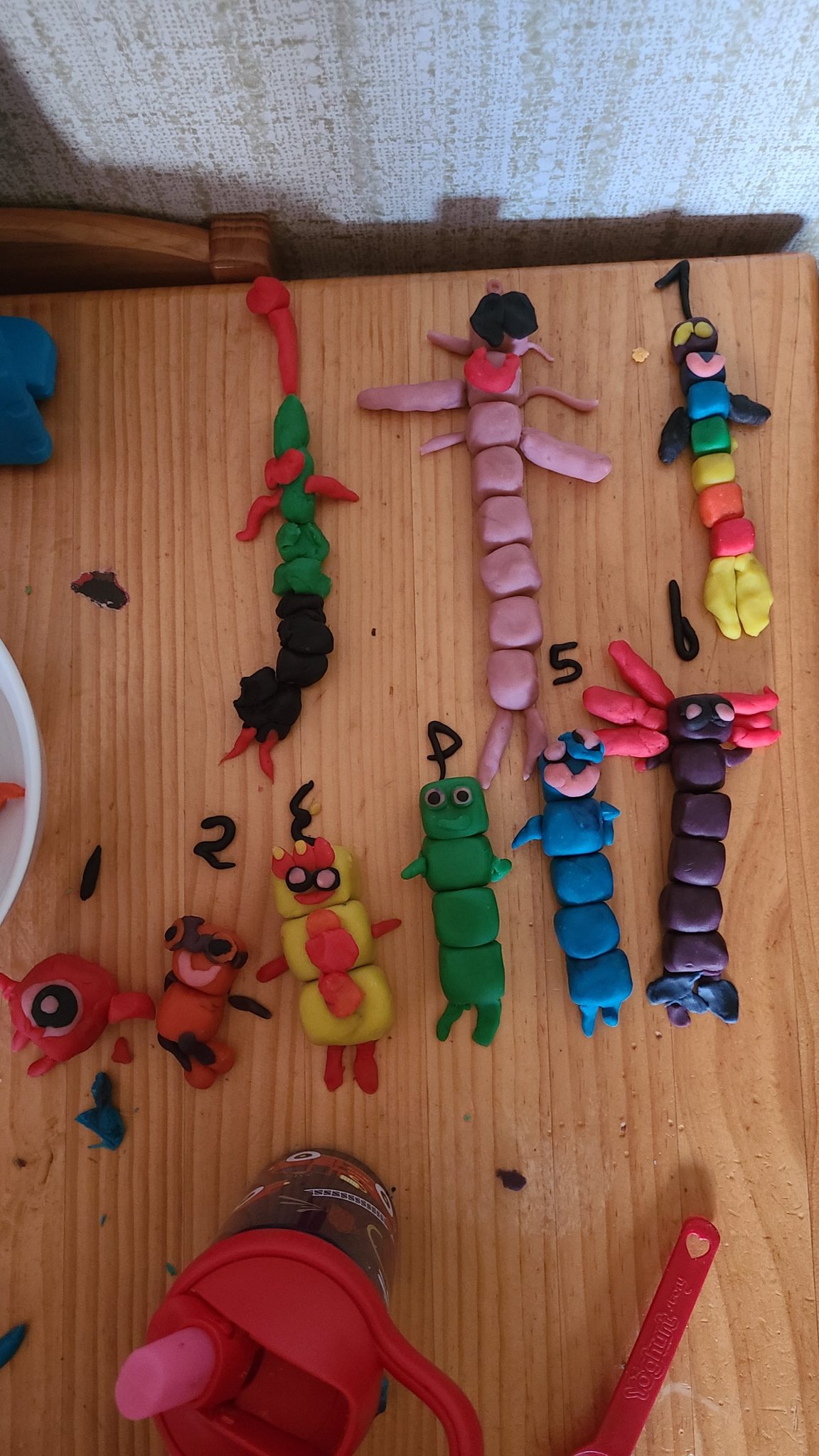


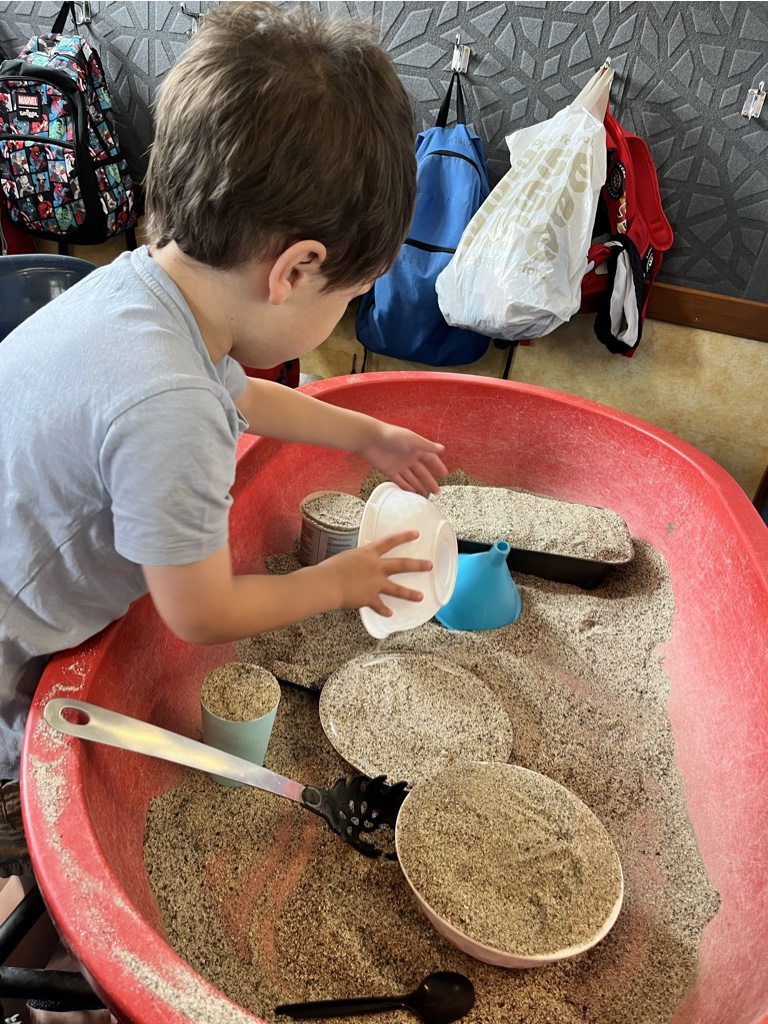
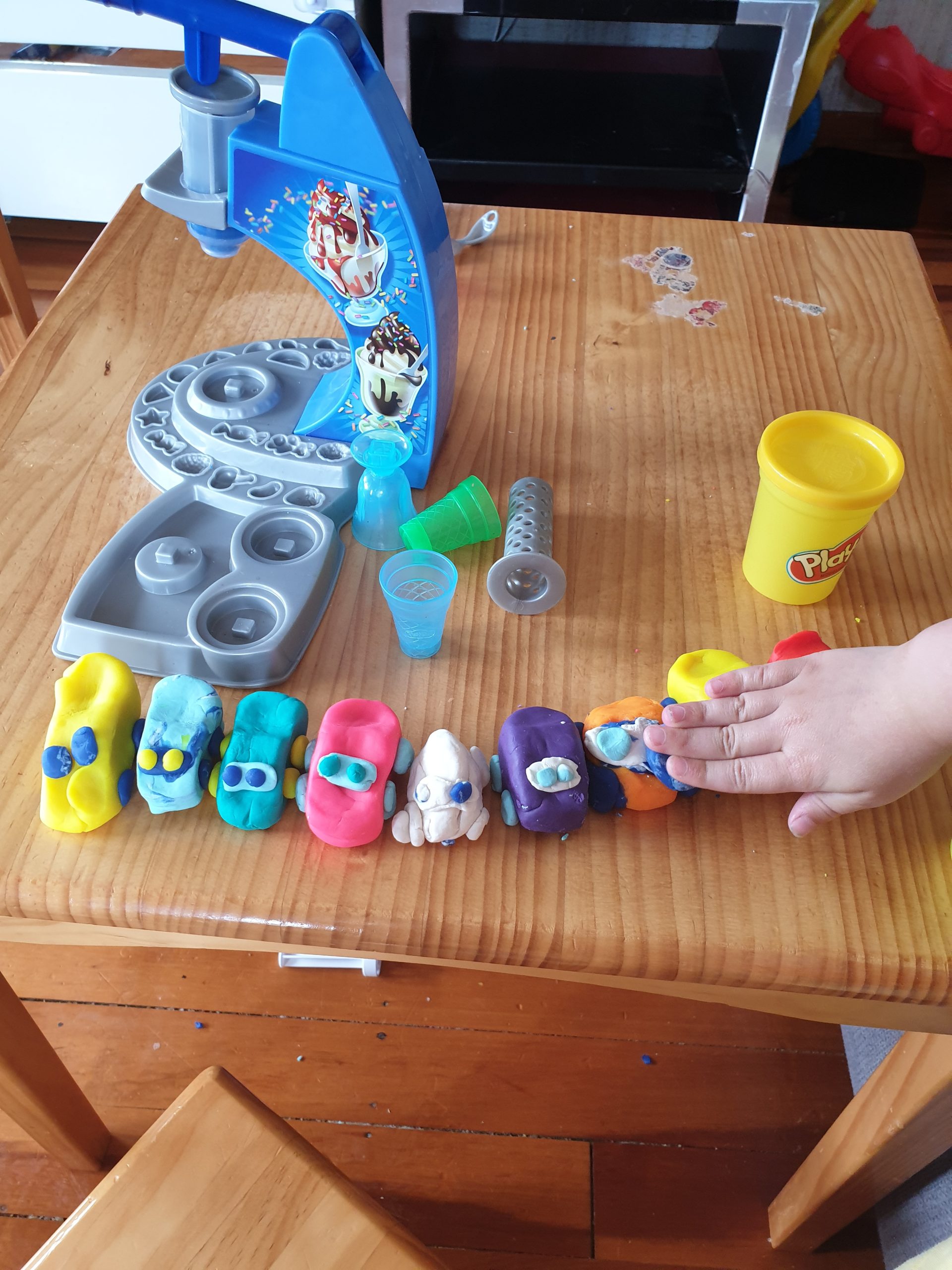
Physical activity and sensory experiences are crucial building blocks in development. Nasir loves playground equipment, messy play, and especially swimming. Activities like baking, gloop play, and playdough encourage fine motor control and sensory exploration, building his confidence and helping with transitions.
Nasir’s Favourite Outdoor & Sensory Activities:
- Swimming – Water-based play has a calming effect on Nasir, providing sensory input that helps regulate his sensory system. Swimming allows him to develop motor skills, coordination, and confidence in a fun environment. The resistance of water naturally builds his strength; while splashing and diving encourage him to explore movement and build resilience.
- Baking with Family – Baking is a family activity Nasir loves, combining sensory play with fine motor practice. Measuring, stirring, and rolling dough help him improve his hand-eye coordination, while following recipes and adding ingredients enhance his patience and sequencing skills. Plus, he gets to enjoy a tasty treat, making learning both rewarding and fun.
- Gloop Play and Playdough – Messy play with gloop (cornflour and water) and playdough provides valuable tactile sensory experiences. Squeezing, molding, and stretching these materials support his fine motor control and sensory exploration, helping him manage sensory sensitivities while having fun with textures and shapes.
- Climbing at the Playground – Climbing equipment at the playground allows Nasir to develop his gross motor skills, balance, and coordination in a natural, engaging way. Climbing challenges him to use both strength and problem-solving skills, and navigating heights fosters his confidence and bravery.
Music and Rhythm
Music has been part of our home life for Nasir, who often sings along to his favourite songs. Though we tried formal music therapy, Nasir found it wasn’t for him. Instead, letting him choose his music and interact with it freely has been more effective.


Nasir has an affinity to My Singing Monsters, a game that blends unique sounds, rhythms, and characters which is one of the reasons as to why we thought he may benefit from Music Therapy. His favourite character is Rare Wubbox, who moves and speaks in a robotic way. You can often find Nasir moving or dancing in a similar fashion and I think he’s getting pretty good at it. Maybe soon he’ll be able to do the “Robot”.
Nasir’s Favourite Music & Rhythm Activities:
- Singing along to My Singing Monsters – This game combines quirky characters with music and rhythm, encouraging Nasir to sing along and engage with different sounds. Singing along to favourite songs helps him develop language skills, rhythm, and emotional expression. This activity also fosters his memory and auditory processing as he remembers lyrics and tunes.
- Dancing to Music at Home – When music plays at home, Nasir loves to move, and this spontaneous dancing helps him with coordination, rhythm, and motor skills. Dancing also becomes a social bonding moment, making him feel included and confident as he expresses himself through movement.
- Spontaneous Family Dance Parties – Family dance parties are not only fun but also great for Nasir’s social and emotional development. Dancing together boosts his confidence and teaches him about timing and rhythm in a playful setting. It’s a natural way for him to work on coordination and balance, while also strengthening family bonds through shared joy.
How VARK Relates to Nasir’s Development
In Nasir’s case, activities are tailored to support his different learning styles. For example:
VARK Table for Nasir’s Development Tools
| Tool/Activity | VARK Style | Developmental Skill(s) Supported | Description of Use |
|---|---|---|---|
| Movies & Shows | Visual, Auditory | Speech & Language, Emotional Regulation | Re-watching favorites like Doggyland and Numberblocks introduces language patterns and positive behaviours. |
| Books & Film Versions | Reading/Writing, Auditory | Language Comprehension, Expressive Speech | Books like The Gruffalo in both print and short film enhance vocabulary and comprehension. |
| Building Sets & Puzzles | Kinesthetic | Fine Motor Skills, Cognitive Skills | Puzzles and Numberblocks support counting, spatial reasoning, and fine motor coordination. |
| Sensory & Physical Play | Kinesthetic | Sensory Regulation, Motor Skills | Messy play, climbing, and swimming foster sensory processing, safety awareness, and motor control. |
| Music and Dance Activities | Auditory, Kinesthetic | Language Skills, Social Interaction | Music activities like My Singing Monsters and family dance parties encourage rhythm, expression, and coordination. |
| Tablet Use & Apps | Visual, Auditory | Cognitive Skills, Language Skills, Problem-Solving, Fine Motor Skills | Nasir navigates apps like Roblox, Rainbow Friends, and Numberblocks, which promote language, math, creativity, and problem-solving. |
| Reading App Names | Reading/Writing | Literacy Skills, Independence, Language Development | Nasir reads app names and prompts with parental support, improving literacy and encouraging independence. |
Embracing the Journey
The tools and activities we’ve chosen may not be the traditional path to speech, cognitive, and motor development, but they’ve been invaluable building blocks for Nasir. By incorporating his interests, we make learning enjoyable and effective, embracing each small step forward. So, while the debate around screen time and unconventional learning tools persists, I hold onto the progress Nasir is making. Each learning moment is another building block in his journey.
I encourage other parents to think about their child’s unique learning styles and how unconventional tools might help. Whether it’s an app, a show, or a game, what works for one child might spark growth in another. I’d love to hear how others have found success with similar or different tools!
Practical Tips for Parents: Simple Ways to Boost Learning Every Day
- Visual: Use colourful charts, pictures, or flashcards for activities, like daily routines or chores. Even adding visual cues around the home can support understanding and memory.
- Auditory: Try talking through activities or adding songs for transitions. Engaging with audio books or narrated stories can make language learning fun.
- Reading/Writing: Encourage your child to keep a simple journal or draw stories, or have them read instructions together with you. Written lists, labeling items, or drawing can support reading comprehension and expression.
- Kinesthetic: Allow for movement in learning! Turn counting into hopping on one foot, or spelling into building with blocks. Hands-on play, like baking or sorting items, turns daily activities into interactive, kinesthetic learning moments.
Adding these tips with a VARK-friendly lens can help parents feel empowered to support your child’s unique learning journey naturally throughout the day.
Until next time,
Elysha
Reference List
- Nichols, S. (2018). The Effect of Educational Media on Language Development in Children with Delays. Retrieved from https://www.nichd.nih.gov/sites/default/files/2018-05/S4P1_Nichols%20January2018NIH.pdf
- Tomopoulos, S., et al. (2021). Associations Between Media Use and Cognitive Skills in Early Childhood. Early Learning Network. Retrieved from https://earlylearningnetwork.unl.edu/wp-content/uploads/2021/01/associations-betweens-childrens-media.pdf
- Cureus. (2023). Relationship Between Speech Delay and Smart Media in Children: A Systematic Review. Retrieved from https://www.cureus.com/articles/185520-relationship-between-speech-delay-and-smart-media-in-children-a-systematic-review#!