
Supporting Siblings: Practical Tips for Parents of Disabled Children
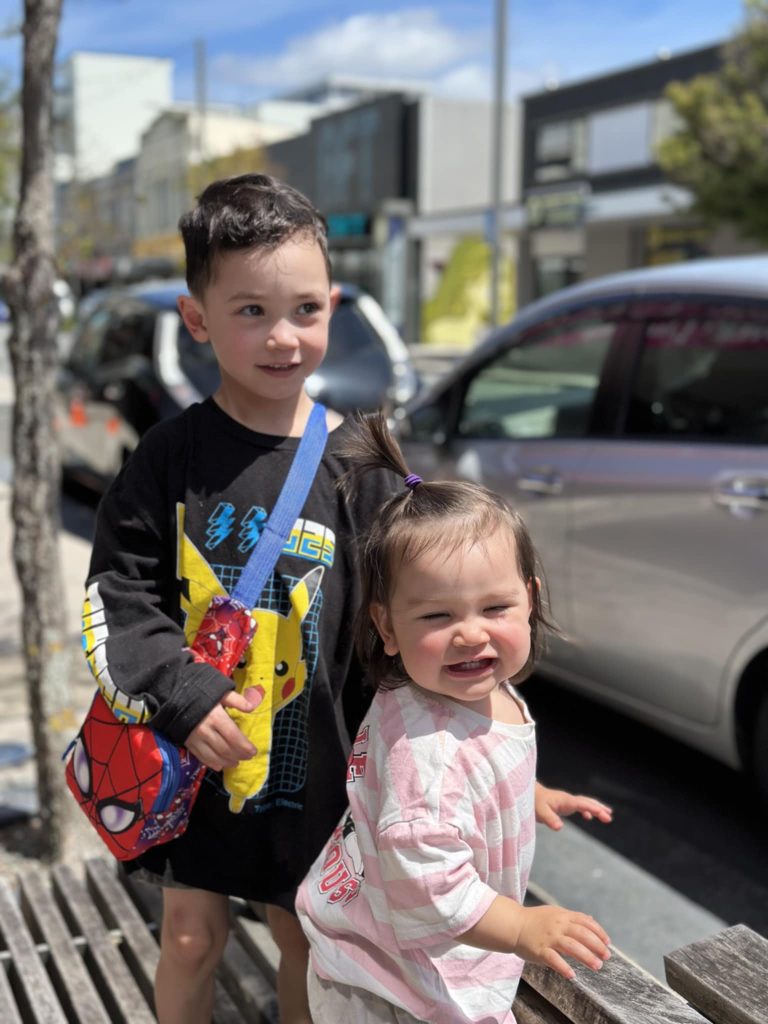
Siblings of children with developmental delays or disabilities often experience a mix of emotions, pride, love, frustration, confusion, and even jealousy. Supporting siblings, providing guidance, and open conversations can help develop empathy, resilience, and a deep sense of connection with their brother or sister. I have highlighted the dynamics and influences Nasir, Rahim, and Aisha have had on each other. But this is a continuance of Rahim’s story – The Middle Child: BIG RAHIM ENERGY.
Here are some practical strategies for supporting siblings of high-needs children.
Common Challenges & Solutions for Siblings of High-Needs Children
1. Feeling Overlooked or Less Important
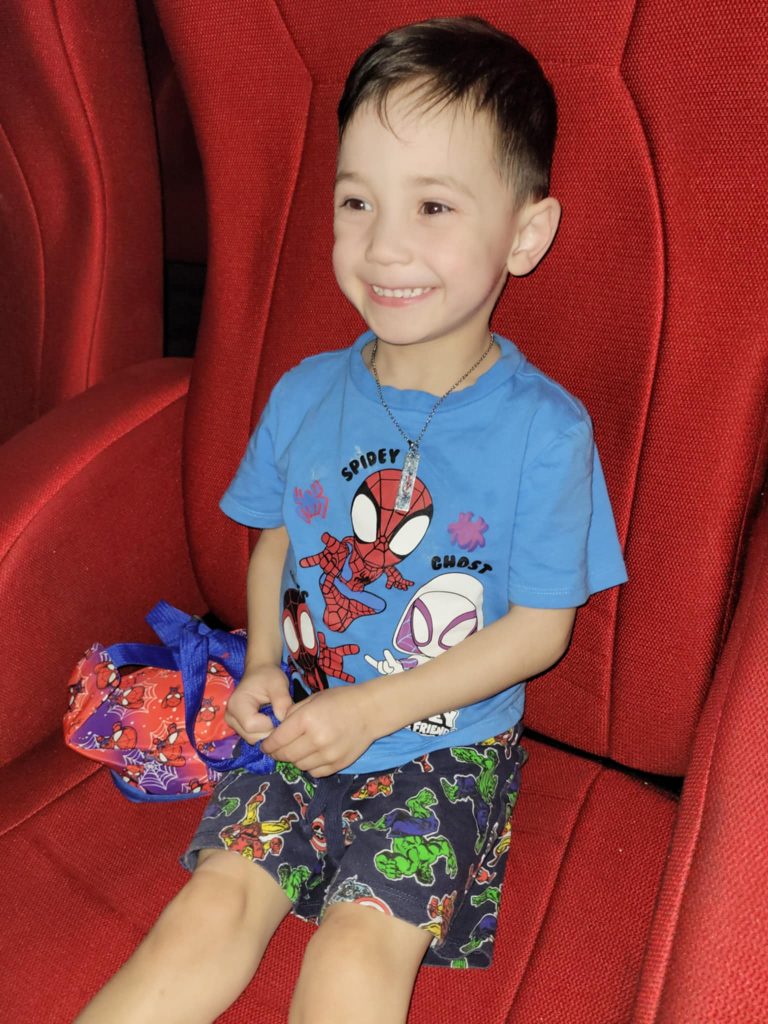

- Challenge: Siblings may feel they receive less attention due to the additional care their high-needs sibling requires. This can lead to feelings of neglect or resentment.
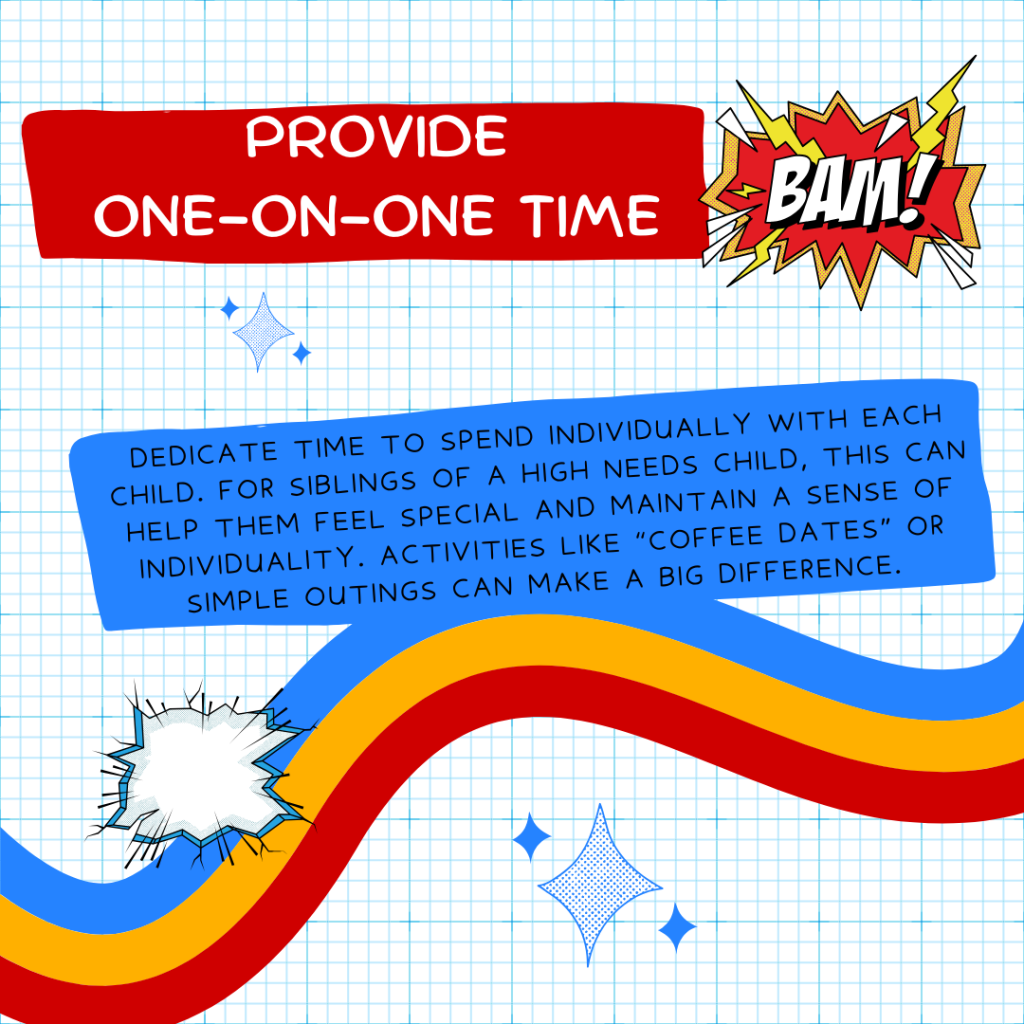
- Solution: Dedicate intentional one-on-one time with each child to ensure they feel valued. Even brief, regular interactions can reinforce their importance within the family.
- Tools & Strategies:
- Scheduled One-on-One Time: Use a shared family calendar (physical or digital, like Google Calendar) to schedule dedicated time with each child. Label this as “special time” so they feel prioritised.
- Connection Rituals: Implement short, daily rituals, like bedtime stories or a special handshake, to strengthen individual bonds.
- Quality Time Activities: Tailor activities to the child’s interests, such as crafting, outdoor adventures, or game nights, ensuring undivided attention.
- Books & Resources:
- “You’re All My Favorites” by Sam McBratney – Expresses the unique and endearing qualities of each child while providing comfort that there is enough love to share, and they’re all the best!
- Personal Insight: I make it a priority to spend quality time with Rahim, engaging in activities he enjoys, such as weekend walks, coffee dates or reading sessions. This dedicated time strengthens our bond and reassures him of his unique place in the family.
- Research Support: Studies indicate that siblings of children with disabilities may develop greater cognitive empathy, enhancing their social skills and emotional understanding. This empathy is more likely to flourish when they feel equally valued within the family dynamic.1
2. Emotional Burden & Stress
- Challenge: Siblings might internalise stress or feel an undue sense of responsibility for their sibling’s well-being. This emotional burden can lead to anxiety or behavioural issues if not addressed.
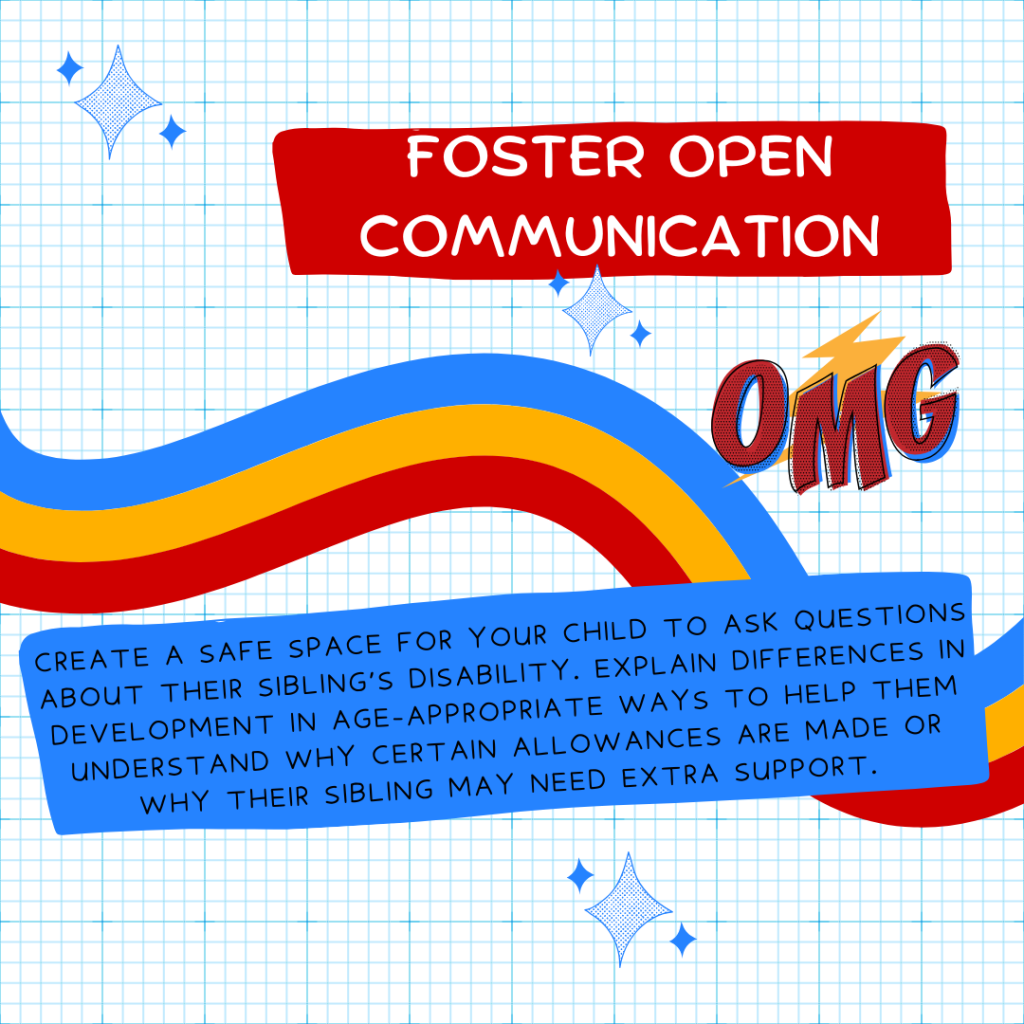
- Solution: Encourage open discussions where they can express their feelings without judgment. Clarify that while their support is appreciated, they are not responsible for their sibling’s care. Additionally, using emotional regulation tools, such as mindfulness or stress-relief activities, can be beneficial.
- Tools & Strategies:
- Emotion Coaching: Teach children to identify and label their emotions using tools like emotion flashcards or feeling charts.
- Mindfulness Practices: Introduce mindfulness apps like Smiling Mind or Headspace for Kids to help them manage stress and anxiety.
- Journaling & Art Therapy: Encourage expressive activities like journaling, drawing, or using a “worry box” to release pent-up emotions.
- Social Stories: Create or use social stories to help children understand complex emotions and navigate social situations.
- Books & Resources:
- Inside Out – The Disney movie that assigns emotions to characters and colours and attaches them to a child.
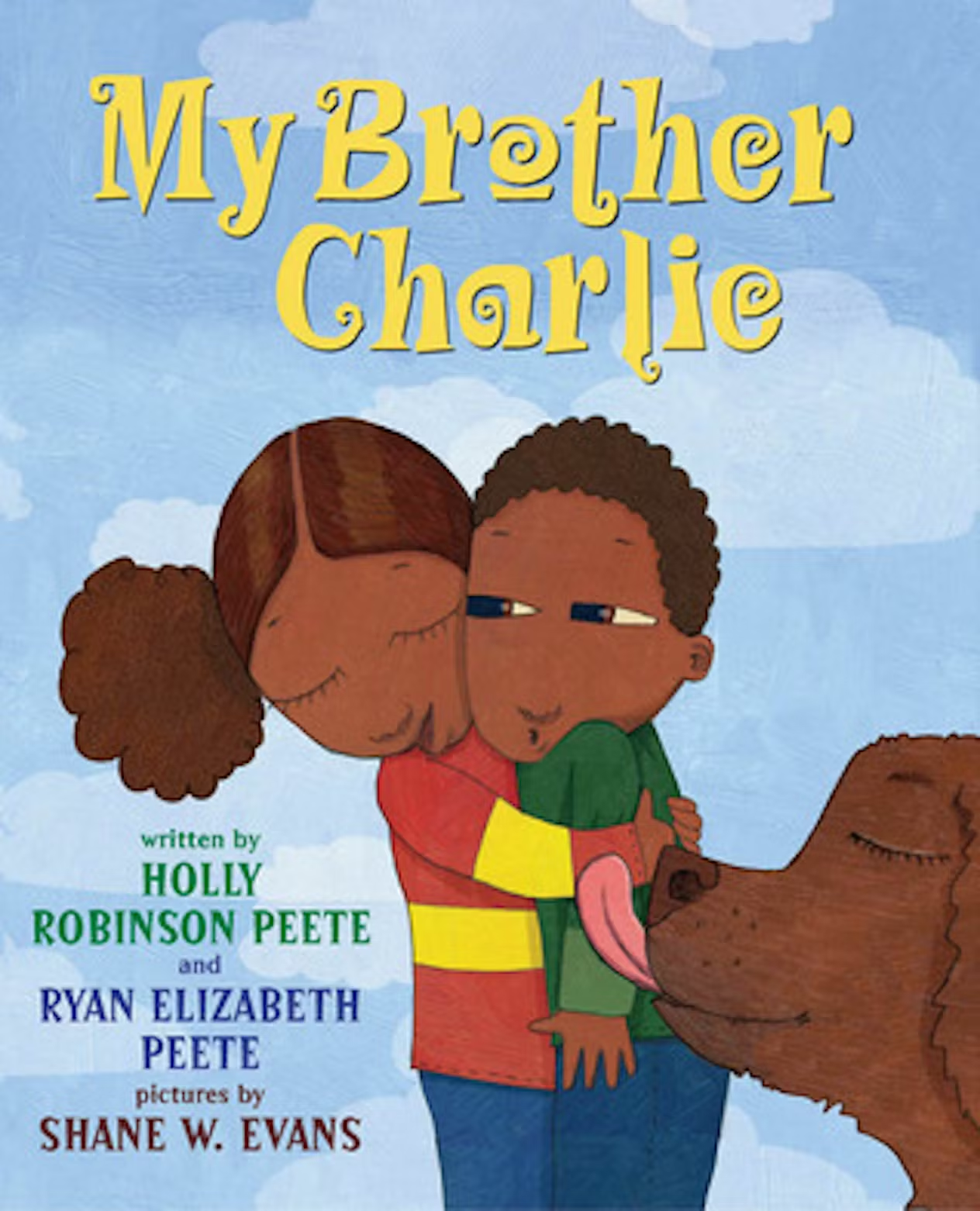
- “My Brother Charlie” by Holly Robinson Peete and Ryan Elizabeth Peete – Explores the sibling dynamic when one child has autism.
- Personal Insight: Recognising Rahim’s sensitivity, we maintain an environment where he feels comfortable sharing his emotions. We have conversations about feelings to help him navigate them without feeling overwhelmed. This doesn’t always go to plan but we do our best to provide the same comfort or support from daycare/school to stay consistent. We aren’t always 100% with managing our own feelings at times but I try my best to talk to him about how I feel which allows him to open up.
- Research Support: A systematic review highlights the importance of psychosocial interventions in improving mental health outcomes for siblings of individuals with neurodevelopmental conditions. Open communication is a key factor in reducing emotional burden.2
3. Social Challenges & Isolation
- Challenge: Siblings may feel isolated or different from their peers due to their family dynamics. They might struggle to relate to others who don’t understand the challenges of having a high-needs sibling.
- Solution: Facilitate connections with other children in similar situations through support groups or community activities. This fosters a sense of belonging and normalises their experiences. Additionally, encourage participation in extracurricular activities where they can form their own identity.
- Tools & Strategies:
- Peer Support Groups: Look for sibling support groups online or through local organisations (e.g., SibSupportNZ or Parent to Parent NZ).
- Mentorship Programmes: Engage with programmes that pair siblings with older mentors who have similar experiences.
- Social Skills Training: Use role-playing games or structured playdates to build social confidence.
- Extracurricular Activities: Encourage involvement in clubs or sports where they can build friendships and a sense of identity.
- Personal Insight: While Rahim hasn’t explicitly expressed feelings of isolation, in fact, he doesn’t completely see Nasir as different to his friends. Though, having the support of organisations such as Parent to Parent, I know we will be able to reach out for sibling support, should we need it.
- Research Support: Engaging in sibling support groups has been associated with improved psychosocial functioning and reduced feelings of isolation. These groups provide a safe space for siblings to share experiences and gain peer support.2
4. Frustration & Resentment
- Challenge: Siblings might experience frustration when their high-needs sibling requires more attention or accommodations. This can lead to resentment or acting-out behaviours.
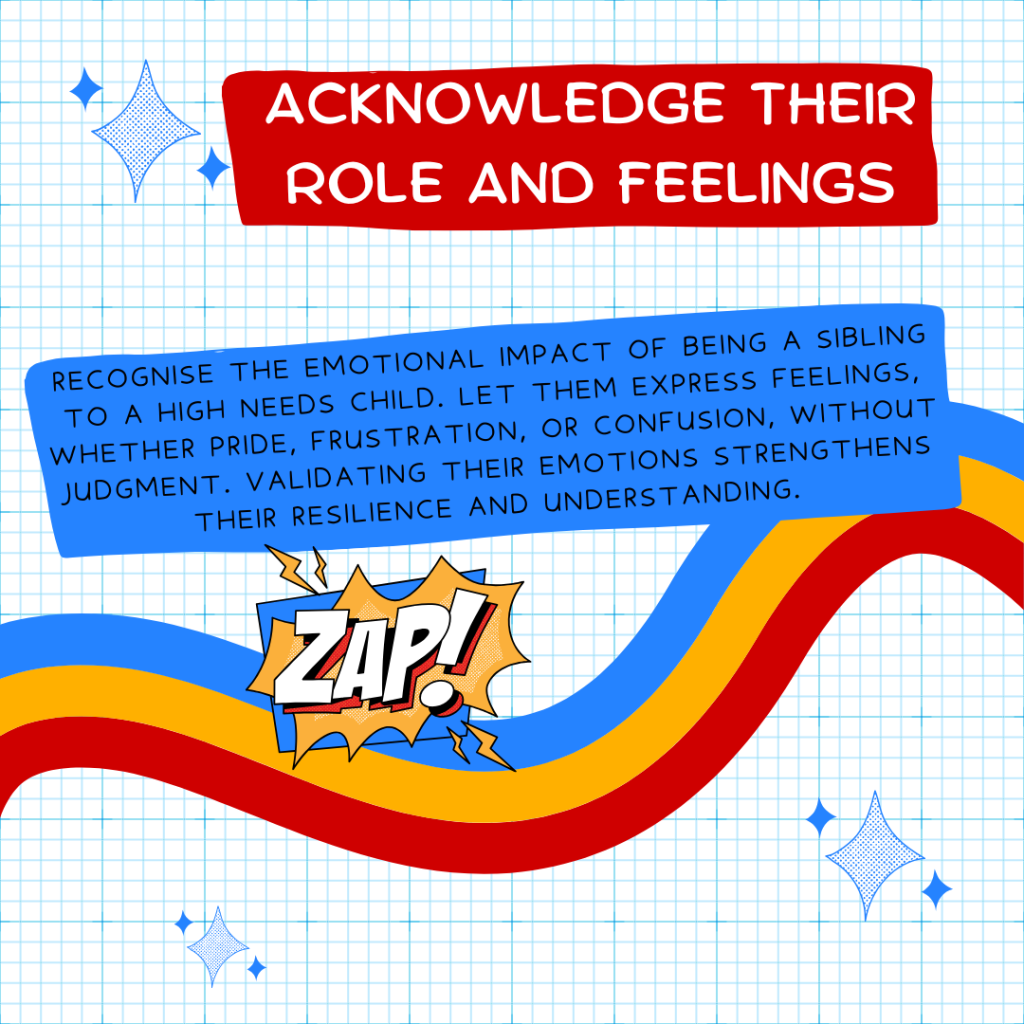
- Solution: Acknowledge and validate their emotions, setting clear boundaries to manage potential resentment. Use language that normalises their feelings, ensuring they understand that it’s okay to feel upset or frustrated.
- Tools & Strategies:
- Emotion Validation Techniques: Practice active listening and reflect feelings back to the child to validate their emotions.
- Coping Skills Training: Teach deep breathing exercises, counting techniques, or “calm down jars” for emotional regulation.
- Positive Discipline: Use tools like “time-in” (instead of time-out) to address behaviour while maintaining connection and understanding.
- Personal Insight: We’ve observed moments where Rahim feels frustrated, especially during challenging interactions with Nasir. By openly discussing these feelings and validating them, we help him process his emotions constructively rather than suppressing them.
- Research Support: Research indicates that siblings of children with disabilities often exhibit increased empathy and maturity. However, this is more likely to occur when their feelings of frustration are acknowledged and managed in a supportive environment.3
5. Confusion About the Disability
- Challenge: Siblings, especially younger ones, may not fully understand why their brother or sister behaves differently. This confusion can lead to misunderstandings, fear, or even embarrassment.
- Solution: Provide age-appropriate explanations and encourage questions to foster understanding and empathy. Utilise simple language and relatable analogies to clarify complex concepts. Storybooks or social stories can also be useful tools.
- Personal Insight: When Rahim inquires about Nasir’s behaviours, we offer straightforward explanations, such as, “Nasir’s brain works differently, so he learns in his own way.” This approach satisfies his curiosity and promotes acceptance, reducing confusion or misconceptions.
- Research Support: Open communication and education about disabilities can enhance empathy and reduce misconceptions among siblings. This knowledge empowers them to advocate for their sibling and approach social situations with confidence.4
Age-Appropriate Conversations for Siblings of a Child with Disabilities
For Children Aged 3-5
At this early age, children are beginning to understand basic concepts about differences and might not fully grasp the complexities of developmental disabilities. For supporting siblings, the key is to keep explanations simple, concrete, and relatable, avoiding overwhelming them with too much information.
1. Use Simple and Clear Language
Instead of diving into technical explanations, use analogies or simple phrases that make the concept of disability understandable for young children. For example: “Nasir’s brain works a little differently, just like how some people need glasses to see better; Nasir needs extra help with learning some things.”
- Example: When explaining why Nasir needs to hear words clearly, I told Rahim, “Nasir needs to hear us speak properly so he can understand us, and we can understand him.” It took a few tries, but eventually, Rahim understood and even reminded himself, “I need to speak properly to help Nasir, don’t I, Mummy?” This approach helps the child understand that everyone has their strengths and areas where they need support, without making it feel like a negative thing.
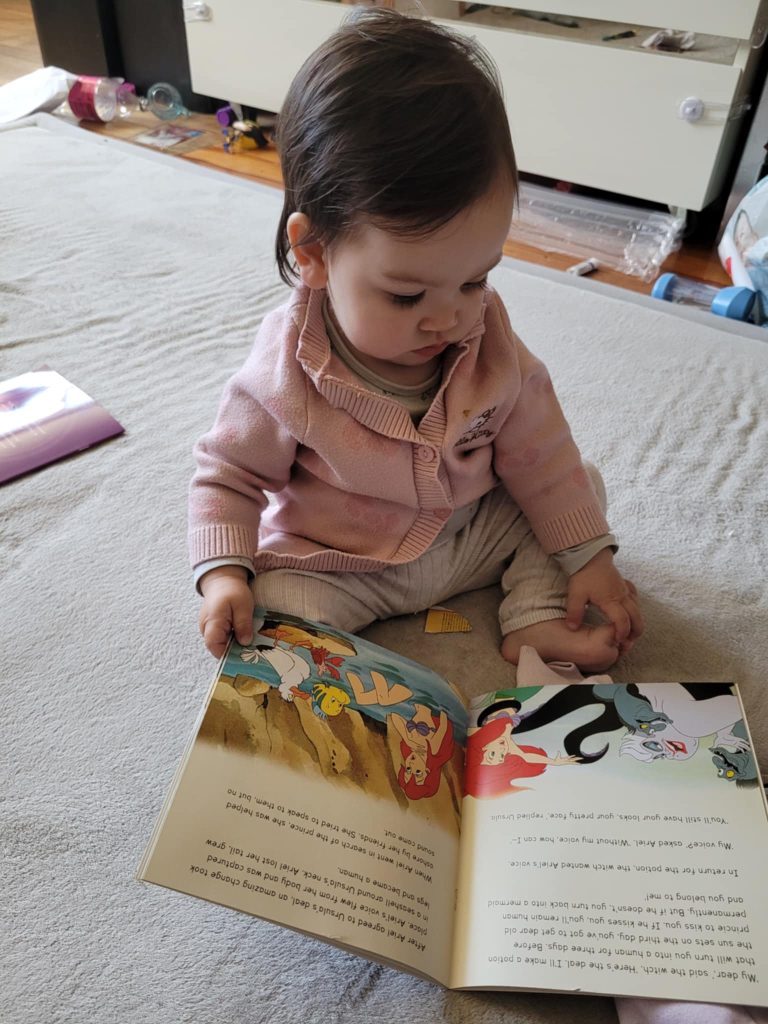
2. Read Storybooks Together
Storybooks are a fantastic tool to open discussions, as they provide a neutral way of talking about disabilities in a positive and age-appropriate context. By reading books that showcase characters with disabilities, you can normalise the experience and make it easier for the child to relate to their sibling’s differences.
- Example: To help Rahim understand the importance of helping Nasir with his speech, I often compare it to his favourite shows or characters. This makes the concept more relatable and memorable for him. For example, just as he relates good and bad behaviour to characters from his favourite stories, he also understands that speaking properly helps Nasir learn, similar to how characters in his shows help each other grow. These stories and comparisons encourage empathy and understanding by showing how characters interact with others despite their differences.
- Research to Support: Studies have found that children’s books featuring characters with disabilities help children develop empathy, acceptance, and a deeper understanding of neurodiversity. For instance, research published in the Journal of Psychologists and Counsellors in Schools reviews over 50 children’s books that assist children in understanding and appreciating individual differences and disabilities.5
3. Answer Questions Honestly
At this age, children will likely ask straightforward questions. It’s essential to answer these questions honestly while maintaining a positive, encouraging tone.
- Example: When Rahim asked why Nasir talks differently, I explained, “Nasir’s brain is still learning how to talk, but he’s trying really hard! You can help by talking slowly and showing him new words.” This approach helped Rahim understand Nasir’s challenges while showing him the importance of being supportive and encouraging.
- Research to Support: The American Psychological Association emphasises that psychologists can help individuals with all kinds of disabilities and that appropriate interventions can teach stress management and other coping skills.
4. Use Everyday Scenarios to Teach Understanding
Everyday situations are powerful teaching moments. When Rahim notices Nasir struggling with something, I use it as an opportunity to explain why Nasir might need extra help or time.
- Example: When Nasir struggled to pronounce a word during a car ride, Rahim took the initiative to break down the word and have Nasir repeat after him until he got it right. It was a beautiful moment of patience and understanding, showing that Rahim not only understood why Nasir needed extra help but was also willing to support him.
- Research to Support: Research indicates that involving siblings in everyday caregiving tasks promotes positive sibling relationships and emotional growth. For example, a study published in the Journal of Psychologists and Counsellors in Schools highlights the value of children’s books in assisting children to understand and appreciate individual differences and disabilities.5
5. Create Analogies or Use Visual Aids
Analogies and visual aids can make abstract concepts more tangible for young children. Using comparisons, they already understand helps them relate to their sibling’s challenges in a less intimidating way.
- Example: I often relate Rahim’s experiences to his favourite characters or shows. For instance, explaining kindness and unkindness through characters from his favourite stories helped Rahim understand how his words and actions impact Nasir. These relatable analogies helped him process complex emotions and situations more easily.
- Research to Support: Studies have shown that analogies and visual aids significantly help young children comprehend difficult concepts, especially regarding developmental delays. For instance, research published in the Journal of Psychologists and Counsellors in Schools discusses how children’s books can promote understanding of differences and disabilities, thereby enhancing empathy and acceptance.5
For Children Aged 6-9
At this age, children are able to grasp more complex ideas but may still need help understanding emotions and how to talk about differences respectfully. Conversations should acknowledge their growing sense of empathy while respecting their developing cognitive abilities.
1. Explain the Importance of Support
Children begin to understand the importance of empathy and helping others, so it’s helpful to explain that their sibling needs extra care, but that’s part of their family dynamic.
- Example: When explaining why Rahim needs to set a good example for Nasir, I told him, “Nasir learns by watching and copying what you do. When you show him how to be kind and patient, you’re helping him learn how to be the best version of himself.” This helped Rahim see his role as a big brother not as a burden but as an opportunity to help Nasir grow.
- Research to Support: Studies show that children aged 6–9 can begin to understand perspective-taking, which is crucial for developing empathy. When they realise their actions can influence others, they are more likely to adopt positive behaviours and develop a sense of responsibility towards their siblings. Teaching them about their role in supporting their sibling’s growth helps foster a caring and inclusive family environment.6 7
2. Address Any Confusion or Misunderstanding
Children aged 6–9 may start questioning why their sibling behaves differently or requires special attention. This period is ideal for teaching inclusivity and explaining the necessity of specific adjustments for their sibling’s development.
- Example: When Rahim noticed that Nasir sometimes struggles with tasks that come easily to him, I explained, “Just like you’re great at remembering song lyrics, Nasir needs a little more help with talking. But he’s learning, just like you learn new songs!” This helped Rahim recognise that everyone has different strengths and challenges.
- Research to Support: The London School of Childcare Studies indicate that by age 7, children begin to understand complex emotions and fairness. This enables them to recognise that people have varying abilities and can develop empathy when these differences are explained in relatable terms. Teaching inclusivity at this stage aids them in navigating social situations with understanding and respect, reinforcing that everyone deserves respect and promoting positive relationships.
Why Supporting Siblings of High-Needs Children Matters
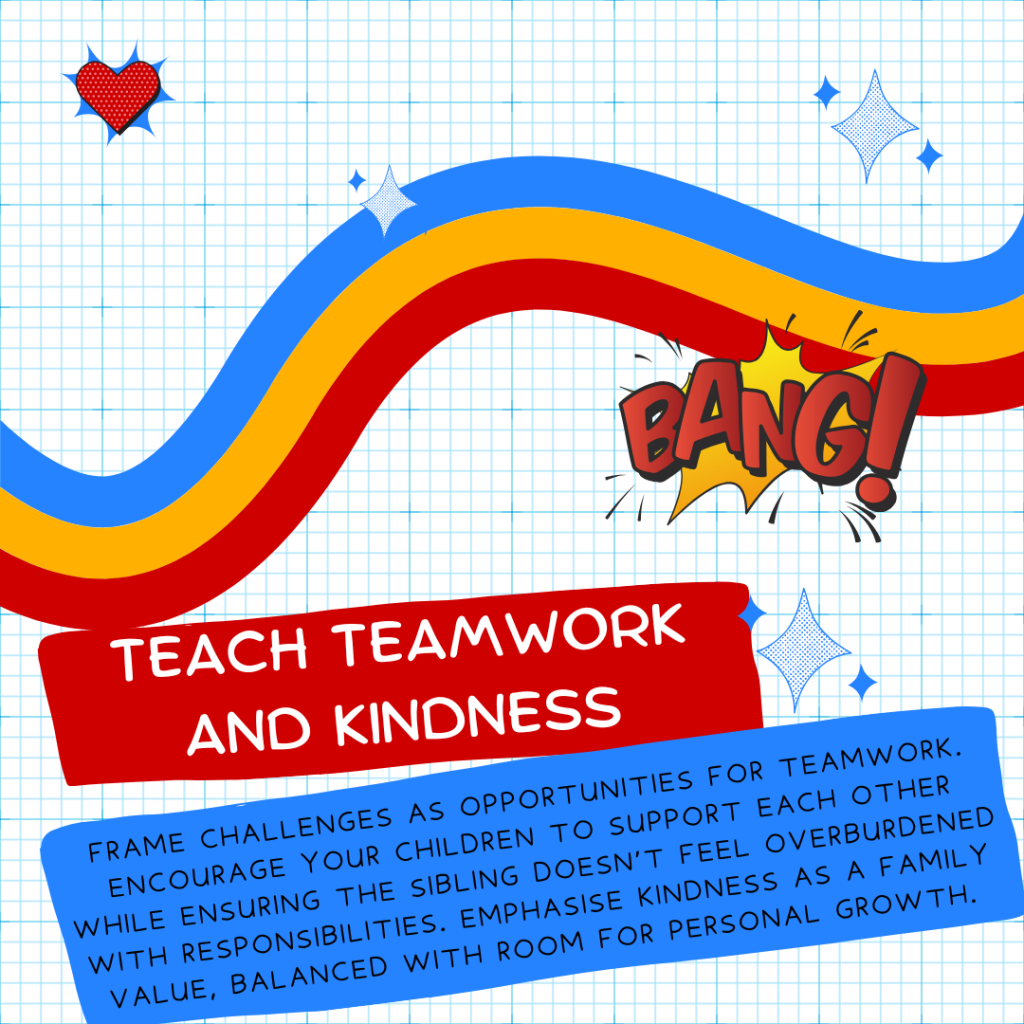
Supporting the siblings of high-needs children is just as important as supporting the child with a disability. These siblings often experience a unique set of challenges, including feeling overlooked, struggling with complex emotions, or carrying a sense of responsibility beyond their years. Addressing their needs ensures they grow up feeling valued and emotionally supported.
- Fosters Emotional Resilience
Intentional support helps siblings build resilience in a healthy way, preventing stress and emotional burnout. - Reduces Feelings of Isolation
Encouraging peer connections with other siblings in similar situations provides a sense of belonging and validation. - Strengthens Family Bonds
Understanding and support between siblings create positive, lasting relationships and strengthen the family unit. - Supports Their Own Development
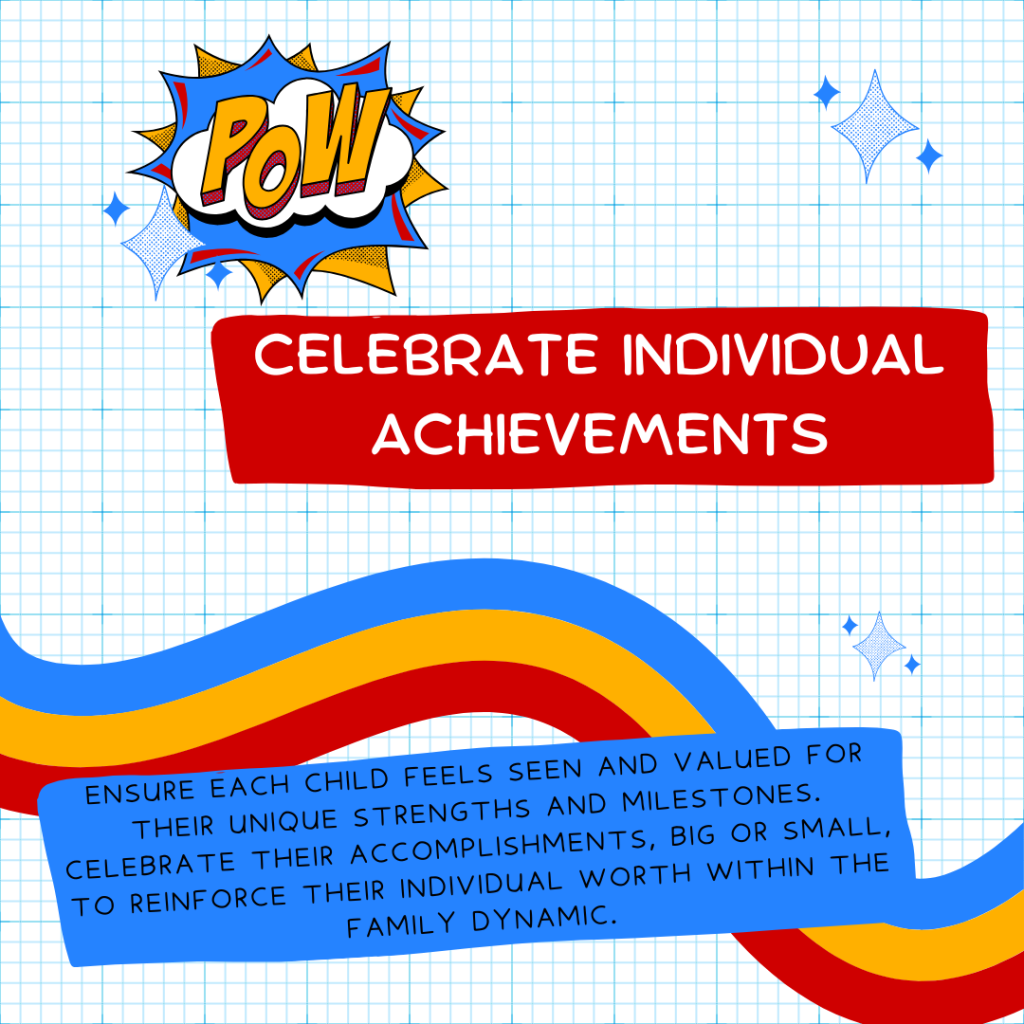
Ensuring siblings feel valued for their own achievements fosters well-rounded development. - Encourages Advocacy and Understanding
Educating siblings about disabilities helps create future advocates and a more inclusive society.
Stages of Sibling Relationships
A review discussed how sibling relationships can evolve through different phases depending on age, personality, family dynamics, and awareness of their sibling’s needs. Based on McHale’s research, it explores how these dynamics move from confusion in early childhood to advocacy and strong bonds in adolescence and adulthood.8
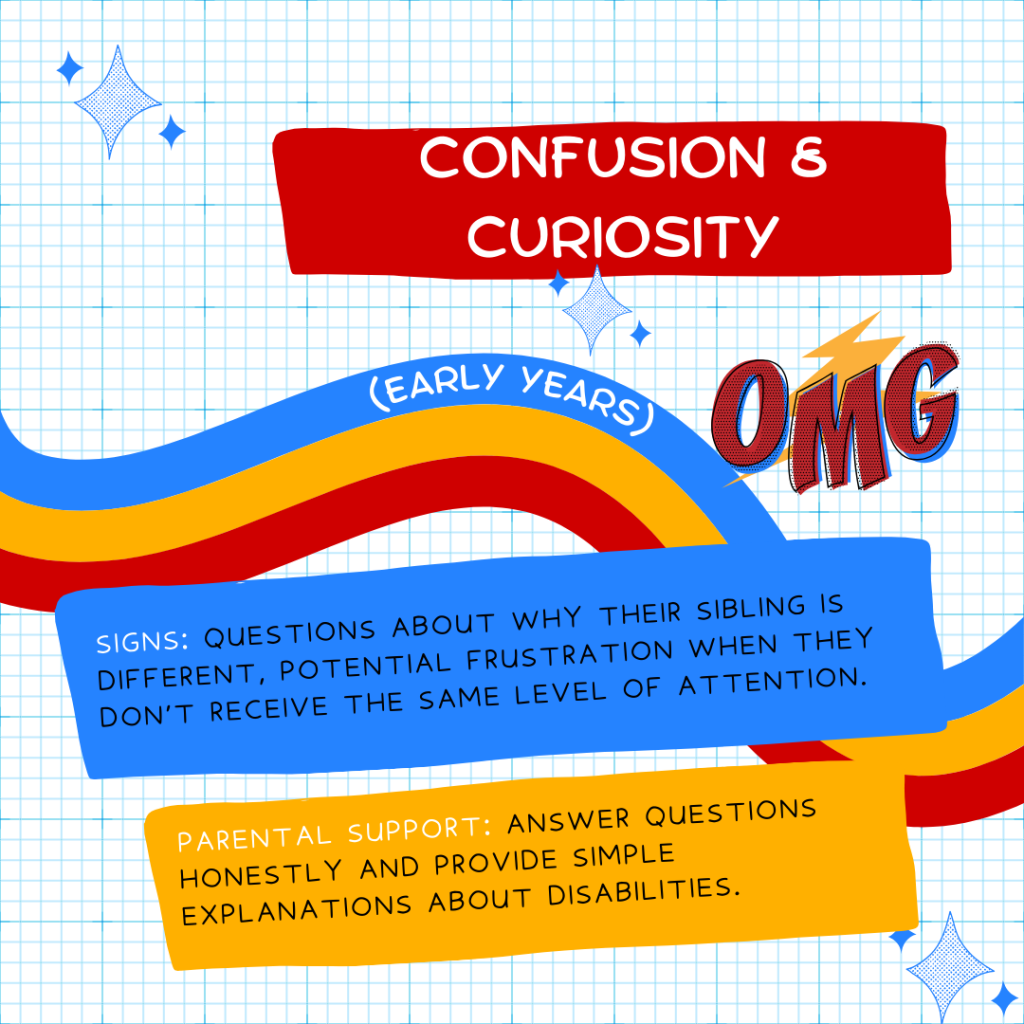
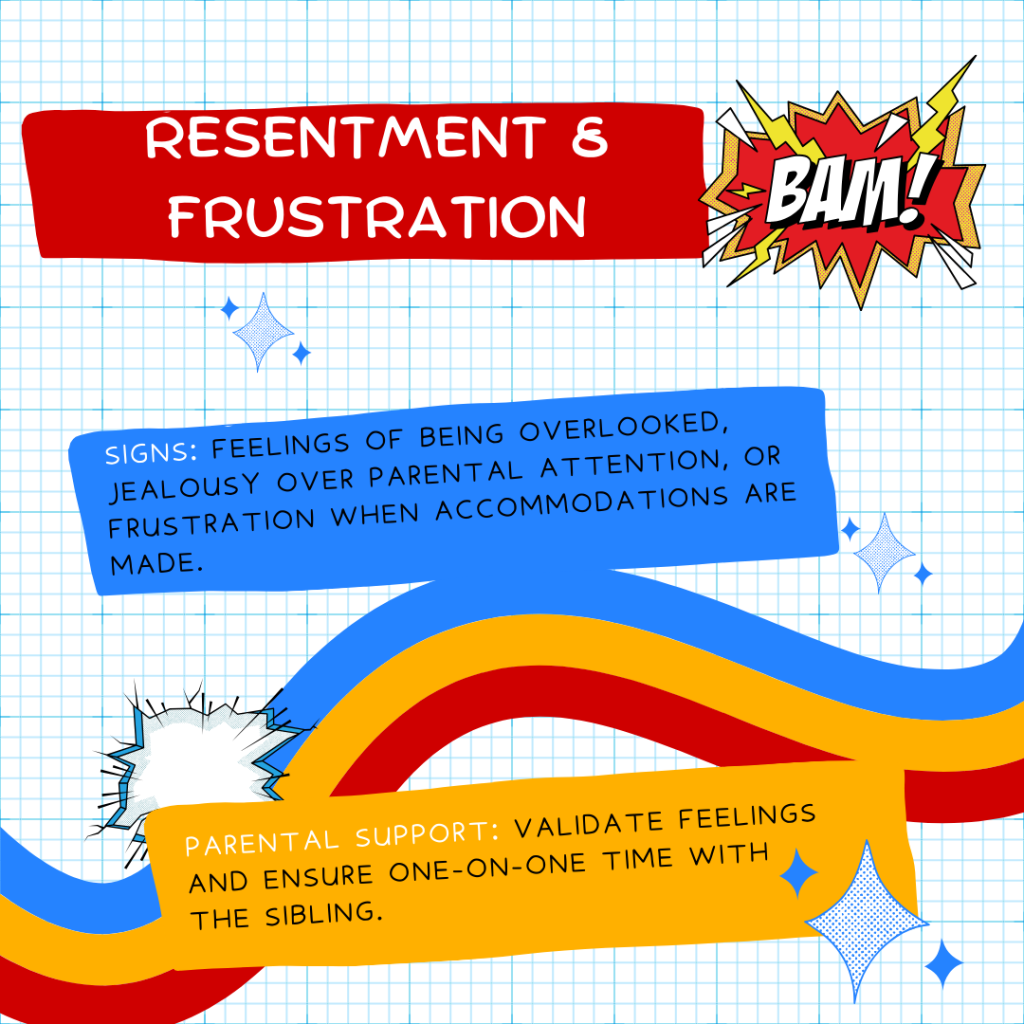
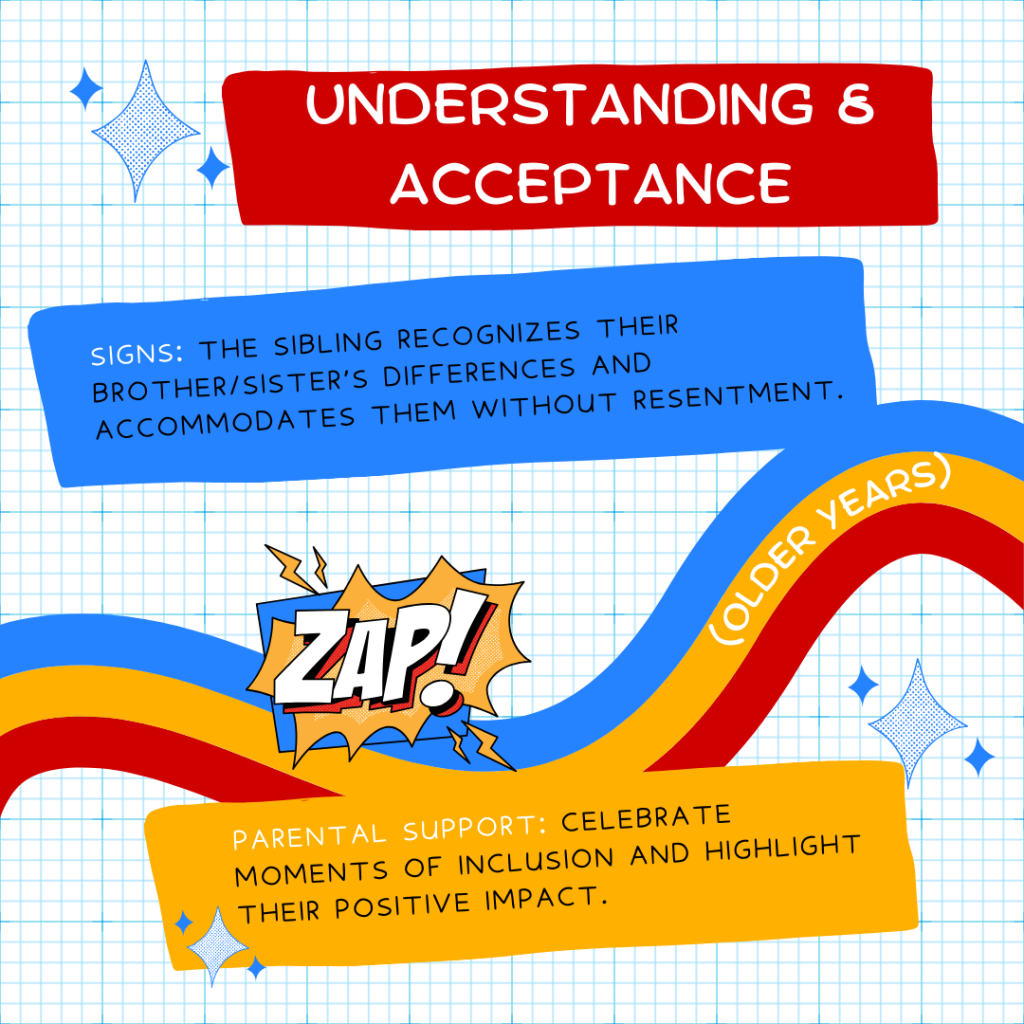
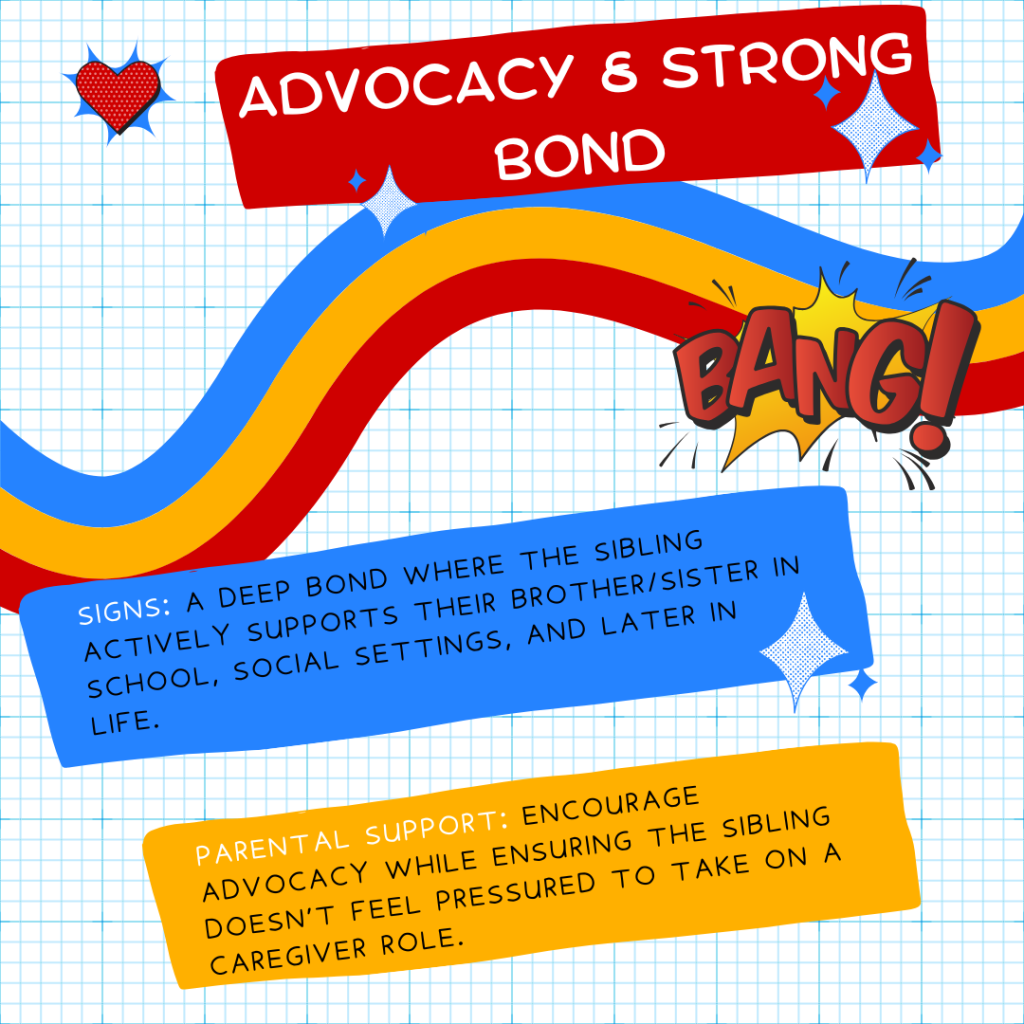
Early Childhood: Increased Emotional Awareness and Recognition of Difference
- Signs: In the early years, siblings start to recognise that their brother or sister is different, but they may not fully understand what that means. The initial awareness can trigger feelings of confusion or curiosity, and the younger sibling may ask about their sibling’s differences. They may also notice the differences in parental attention.
- Example: A younger sibling might ask, “Why doesn’t Nasir talk like I do?” This can be particularly evident when the child with ASD requires more attention due to behavioral or developmental needs.
- Parental Support: McHale’s study stresses that it’s important for parents to provide age-appropriate and honest explanations about the sibling’s needs. While younger children may not fully understand, parents can begin to address these differences in simple terms and set a foundation for more complex understanding as they grow. It’s also important for parents to foster emotional awareness in the younger sibling by recognising and acknowledging their feelings.
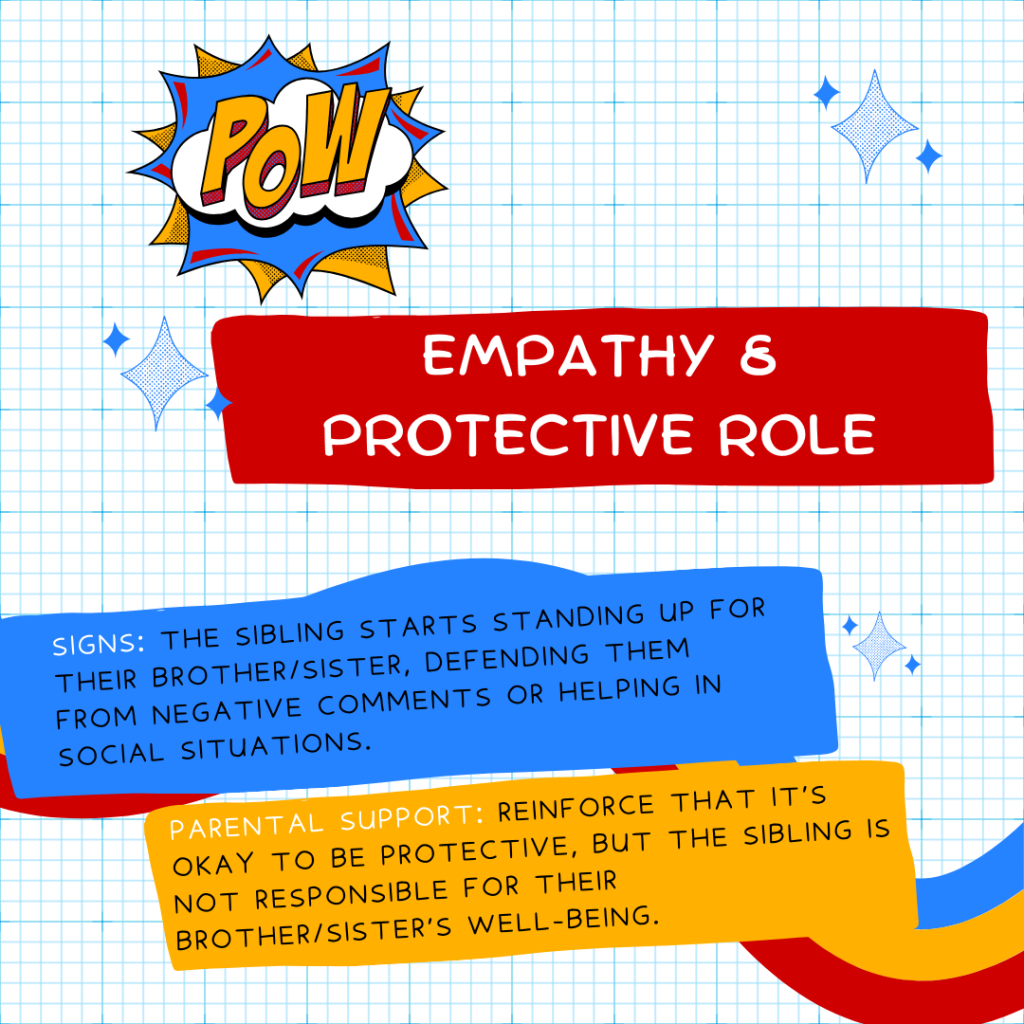
Middle Childhood: Development of Empathy and Protective Roles
- Signs: As children reach middle childhood, they begin to develop a deeper sense of empathy for their sibling. This often leads to a protective role, where the sibling may begin to stand up for their neurodivergent brother or sister, especially in social situations. However, this role can be complicated by feelings of being overwhelmed by the responsibility to protect.
- Example: The sibling might start making efforts to ensure their neurodivergent sibling is included in play or might explain to peers why their sibling needs extra time or space. For example, Rahim may notice when Nasir is excluded and step in to make sure he’s part of the game or explain why Nasir struggles with certain tasks.
- Parental Support: McHale’s study suggests that while it’s important to encourage empathy, parents should be mindful not to put too much responsibility on the sibling. The sibling’s role is to provide support, but not to act as a caregiver. Parents should reinforce that it’s okay to be protective but should guide the sibling in balancing empathy with the need for self-care.
Adolescence: Re-evaluating the Relationship and Challenging Feelings of Frustration
- Signs: During adolescence, siblings may experience frustration and resentment due to the continued attention that the neurodivergent sibling requires. McHale’s study highlights that these feelings often come to the forefront as siblings become more aware of the impact of the family dynamic on their own social and emotional needs. Feelings of jealousy, or perceptions that the family revolves around the needs of the neurodivergent sibling, are common at this stage.
- Example: A sibling might express feelings of resentment, such as, “Everything is always about Nasir!” They may also withdraw or express frustration when they feel that their needs aren’t being met in the same way.
- Parental Support: McHale underscores the need for validation in these situations. It’s critical for parents to recognise and empathise with these feelings, offering emotional support and time alone with the sibling to ensure that they don’t feel overshadowed. Reaffirming the importance of their individuality and needs can help manage these frustrations.
Later Adolescence and Early Adulthood: Acceptance, Advocacy, and Identity Formation
- Signs: As siblings move into late adolescence and early adulthood, they often develop a more complex understanding of their sibling’s needs and differences. This stage is marked by a transition from resentment to greater acceptance, and in some cases, active advocacy. Siblings may begin to take on a more prominent role in advocating for their neurodivergent sibling’s needs in social, educational, or even professional settings.
- Example: An older sibling might speak up in school meetings or social situations to ensure that their sibling’s needs are considered and respected. They may also become advocates within their broader community, sharing their experiences to increase awareness of the challenges and strengths associated with having a neurodivergent sibling.
- Parental Support: McHale’s study emphasises that parents should support this advocacy, while also ensuring that siblings do not feel pressured to take on a full caregiver role. It’s important to strike a balance between encouraging advocacy and allowing the sibling to develop their own identity outside of their neurodivergent sibling’s needs. Parents should also recognise that siblings may experience periods of stress or conflict during this phase and continue to offer emotional support as they navigate these complexities.
General Themes from McHale’s Study
- Impact of Family Dynamics: McHale highlights the importance of family dynamics and the way that parental involvement can shape how siblings of neurodivergent children navigate their roles. Families with strong support systems and open communication tend to foster more positive sibling relationships, even in challenging circumstances.
- The Role of Personality: The individual personalities of siblings also play a crucial role in how relationships evolve. For instance, some siblings may naturally take on more protective roles, while others may need more time to adjust to the idea of difference. McHale emphasises that each sibling’s journey is unique, and their emotional growth is influenced by a variety of factors, including their relationship with their parents, their neurodivergent sibling, and their peers.
- Cognitive and Emotional Development: McHale stresses the importance of cognitive and emotional development over time, and how this can influence how siblings understand and interact with their neurodivergent sibling. Younger children may not fully grasp the complexities of ASD, but as they grow older and gain more perspective, their understanding becomes more nuanced.
Conclusion
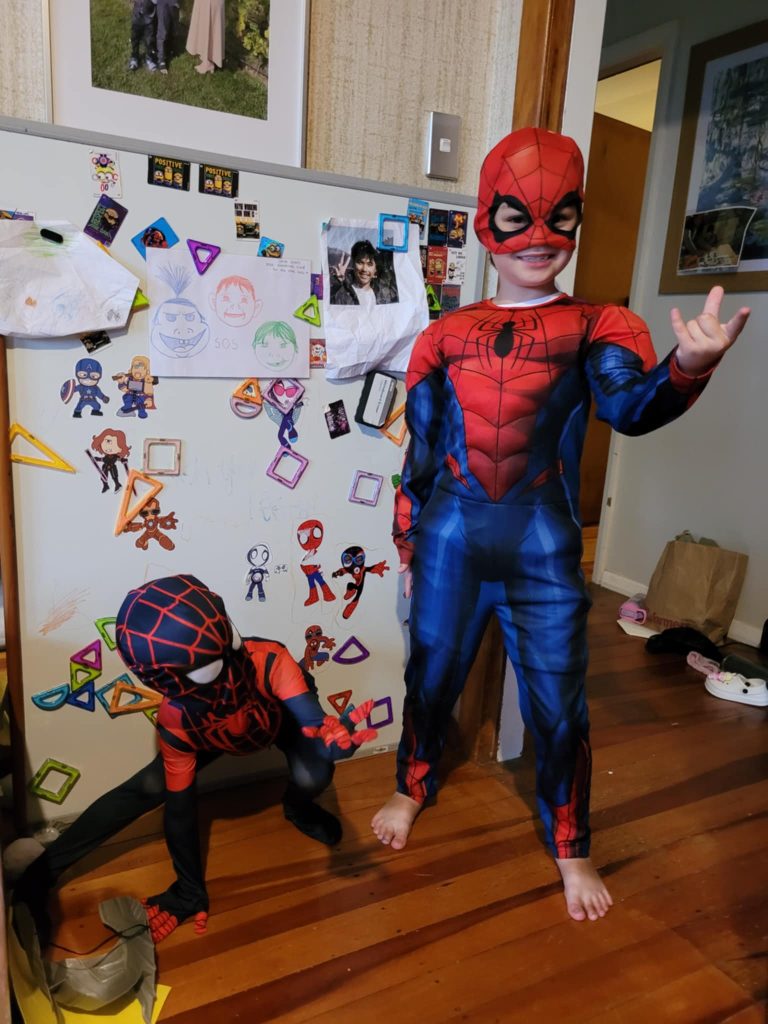
Supporting siblings of high-needs children requires patience, open communication, and intentional effort. By providing emotional support, creating opportunities for connection, and ensuring that siblings feel seen and valued, families can foster strong, loving relationships that last a lifetime.
These strategies are based on how we have approached parenting Rahim but backed with studies on relevant topics. I hope you’ve found something here to help you navigate supporting siblings and strengthening the bonds between your family.
If you have different approaches that have worked for supporting siblings in your family, please share them! I would love to explore new ways to show my little humans they’re all my favourites!
Elysha x
References
- Society for Research in Child Development. (2020). Siblings of Children with Disabilities May Have Greater Cognitive Empathy. ↩︎
- Wolff B, Magiati I, Roberts R, Skoss R, Glasson EJ. Psychosocial Interventions and Support Groups for Siblings of Individuals with Neurodevelopmental Conditions: A Mixed Methods Systematic Review of Sibling Self-reported Mental Health and Wellbeing Outcomes. Clin Child Fam Psychol Rev. 2023 Mar;26(1):143-189. doi: 10.1007/s10567-022-00413-4. Epub 2022 Sep 30. PMID: 36175605; PMCID: PMC9879846. ↩︎
- Begum G, Blacher J. The siblings relationship of adolescents with and without intellectual disabilities. Res Dev Disabil. 2011 Sep-Oct;32(5):1580-8. doi: 10.1016/j.ridd.2011.01.056. Epub 2011 Mar 8. PMID: 21388782; PMCID: PMC6445739. ↩︎
- Dyke, Paula & Mulroy, Seonaid & Leonard, Helen. (2009). Siblings of children with disabilities: Challenges and opportunities. Acta paediatrica (Oslo, Norway : 1992). 98. 23-4. 10.1111/j.1651-2227.2008.01168.x. ↩︎
- Gilmore L, Howard G. Children’s Books that Promote Understanding of Difference, Diversity and Disability. Journal of Psychologists and Counsellors in Schools. 2016;26(2):218-251. doi:10.1017/jgc.2016.26 ↩︎
- Eisenberg, N., & Spinrad, T. L. (2014). Multidimensionality in the development of empathy. International Journal of Behavioral Development, 38(2), 153-156. ↩︎
- McHale, S. M., Updegraff, K. A., & Whiteman, S. D. (2012). Sibling Relationships and Influences in Childhood and Adolescence. Journal of Marriage and Family, 74(5), 913-930. ↩︎
- McHale SM, Updegraff KA, Feinberg ME. Siblings of Youth with Autism Spectrum Disorders: Theoretical Perspectives on Sibling Relationships and Individual Adjustment. J Autism Dev Disord. 2016 Feb;46(2):589-602. doi: 10.1007/s10803-015-2611-6. PMID: 26476737; PMCID: PMC4834275. ↩︎