
Return To the Office – The Death of Working Mums
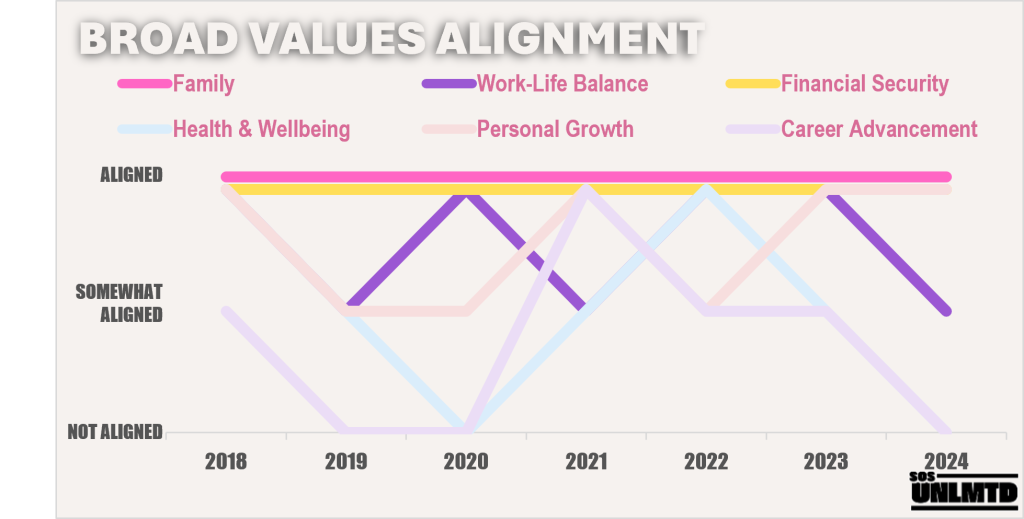
Working mums have it rough. This one was actually the topic that had inspired me to start writing about parenting a child with Global Development Delay. With the recent announcement over the New Zealand government’s expectations for public servants to return to the office, it feels like the right time to share my own experience. Public Service Minister Nicola Willis stated that while working from home arrangements can be beneficial, the government now expects employees to come back to the office to support city centers and local businesses. This shift has sparked debates about whether in-office mandates are reasonable, especially for working mums balancing work and family. As this can be jarring for some families or even individuals who have built a life around the ability to work from home, it is a good time to reassess your values as an individual and as a family and how they can influence your decisions or next steps. Get a Values Alignment Guide at the bottom of the post.
The Birth of Sos UNLMTD.
I don’t intend to put my sons struggles out there for him to maybe look at one day and be angered or upset with me sharing so much about him with the world wide web. I’m not here to share all his medical records and to embarrass him. No, this was born out of an experience I had which I’m sure working mums, not just of additional needs children, can relate to. One where I felt there was an alarming lack of advocacy and understanding for me as a working mum of a child with high needs.
Having career and financial goals gave me a way to challenge my brain every day and it was for me! At work, I wasn’t living for someone else, which was such a nice change even though it had its own obstacles. It had its social aspects, and I really enjoyed my teams banter but it was a way to keep me from drowning in baby brain by forming proper sentences and talking to adults. I was on a path to making enough money so that I could get a bigger house for everyone to have their own space and take our children to see the parts of the world their parents are from. I was driven and finally making progress on achieving these goals
This was until I was due to return to work from parental leave. I thought I would be able to have the flexibility that suited my family and would enable me to meet my work obligations but there were new expectations from the top and from what I am aware of, it was hard to get approval for the strict criteria set out to gain the flexibility my family needed to function. The rule was to now spend 60% of the working week on premise to promote connection among other reasons; I find this reasonable. But my circumstances aren’t the same as everyone else’s. I outlined my situation, asked to have one day in the office to start until I could build up to more, and expected a negotiation as had happened my previous returns from parental leave. Not this time. This time I had a meeting involving HR to reiterate the office day attendance expectations. I tried explaining my situation, again, through the tears that usually accompany telling Nasir’s story. It causes a lot of reflection of the hurdles and barriers we’ve had to face as well as the realisation of what’s to come and how hard it’s been for Nasir without him really knowing it.
I wrongly assumed my circumstances were deserving of an exception. Surely the company didn’t want to lose me because they wanted to force my square into their idea of a circle? Did I not provide enough value that I would even be considered? Only having two days in the office wasn’t that far off their new rules. We could apply and wait for approval, but I needed definites not maybes. I didn’t have long left of parental leave and my contract stated 6 weeks’ notice, if this was to be an option. I needed to plan my routine, work out the how’s, organise my family, and get my mind in the right state. I couldn’t just go back to work and go with the flow. I’m not Tony stark! I’m Steve Rogers! It’s not how I operate. Unfortunately for me, I need to plan contingencies and PLAN to be spontaneous. Yes, I know, Supry has told me that’s not how spontaneity works…
Factors I Had to Work Through.
Schooling & Childcare: There is real value in holiday programs and the like which I would have no problem sending Nasir to, but for him, it would require:
- A transition period
- Someone he could trust
- Somewhere that knows how to interact with him
- For him to allow us to leave him there.
It’s been a real struggle finding places to meet these criteria. Nasir doesn’t quite understand that he should stay at school if we’ve gone on a school trip with his class. It broke my heart driving past him while he was crying at the gates, trying to get to me after a recent outing to a local museum. Thankfully, he has such compassionate teachers that would handle him with care while he’s doing his best to grapple with what’s happening.
Transport: I used to catch public transport, this was before our life was as complicated as it is now which is funny because as a mirror, public transport is also much more complicated. I’m all for less cars on the road but with how unreliable trains or replacement buses are it makes sense to drive in. But everyone else has the same idea so good luck getting a carpark near your office. Let’s not even get into the morning and afternoon traffic. What happens if the kids are sick or need immediate pick up? This never used to be an issue until train services were frequently disrupted or bus replacements were too full to take all of the passengers the train could carry.
Husband: This guy isn’t made for an office. Sure, he could do office work and does his best with technology, but he is more a physical labour worker. His current work has him out and about and interacting with people, but he has to go wherever the work is which isn’t always close to home and isn’t always scheduled. It’s really hard working around someone with an unpredictable job when the expectations I had were regular set days in the office. Could he get a job elsewhere, sure he could apply to see if he could but how long would this take? He also couldn’t give up his job so I could financially support us due to other obligations.
Routines: Have you ever tried to put children into a morning or night routine? Did you get exhausted by asking them to eat their breakfast, put their shoes on, brush their teeth or go to sleep several times with no action on their end? Cause, same! It’s worse when you HAVE to be somewhere at a certain time and have the impending fear of making that time up when you don’t have that time to spare. I didn’t need a psychologist to tell me that it was affecting my relationship with my children by trying to force them into a routine they were never going to get into, but it did help me feel more comfortable with the decision I knew I had to make in order to raise emotionally and mentally healthy kids.
Anxiety/Mental health: I’m one of those parents that are re-parenting themselves. I’m on a healing journey, if you will. I feel like I didn’t have the best example and the trauma I’m trying to work through does take its toll on me. With this in mind, it impacts the way I interact with my husband and kids if I’m too overstimulated or I’m not able to control the situation; think unruly children with no consideration of the routine I need to get everyone ready and out the door in a timely manner. I’m wired in such a way that I need to be on time, complete my hours and my work, and if everything isn’t going to plan, I spiral pretty hard and fast. Like I mentioned, I need a plan or I do not function and I cannot control these external factors also known as my family. It’s a terrible cycle because the people pleaser in me wants to please my managers which impacts my family, but I don’t want to take it out on my family and it all builds up until I pop. Yeah, I need further sessions but with no job, it’s hard to afford it.
The Decision To Resign.
With all of these factors, I was sent away with an EAP referral. The intention was to talk about what was giving me anxiety, coming up with strategies to manage, and feel more comfortable with my return to the office which for the most part, we did.
To help me navigate my stress, we explored:
- Towards moves: weigh up what was leading me to my goals and what was pulling me away.
- Values: evaluate my values and to figure out what is most important to me at this stage in my life
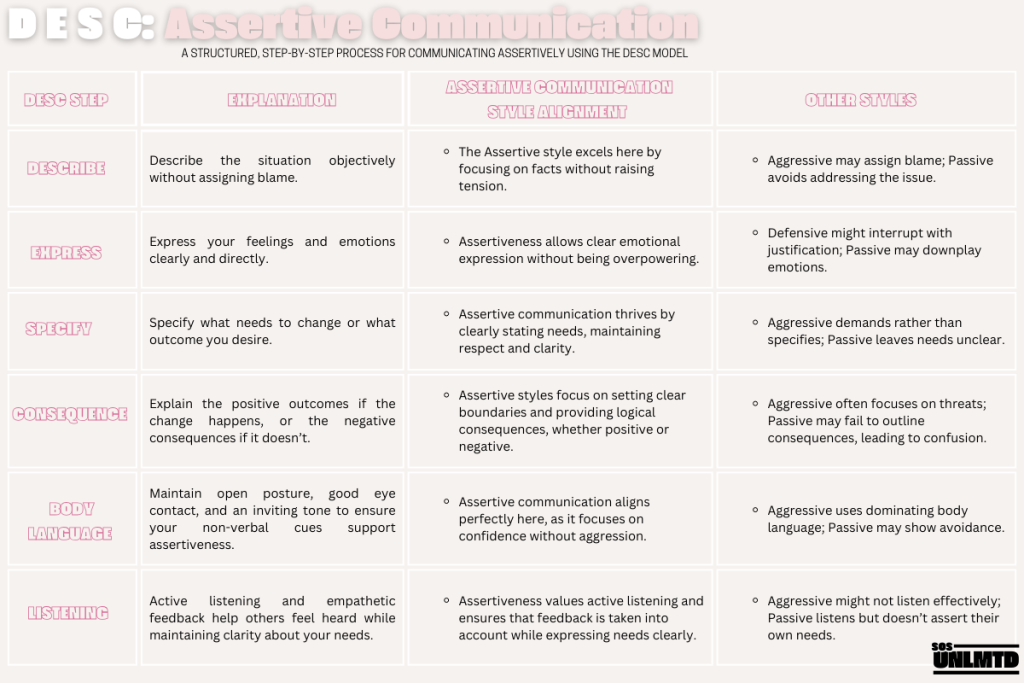
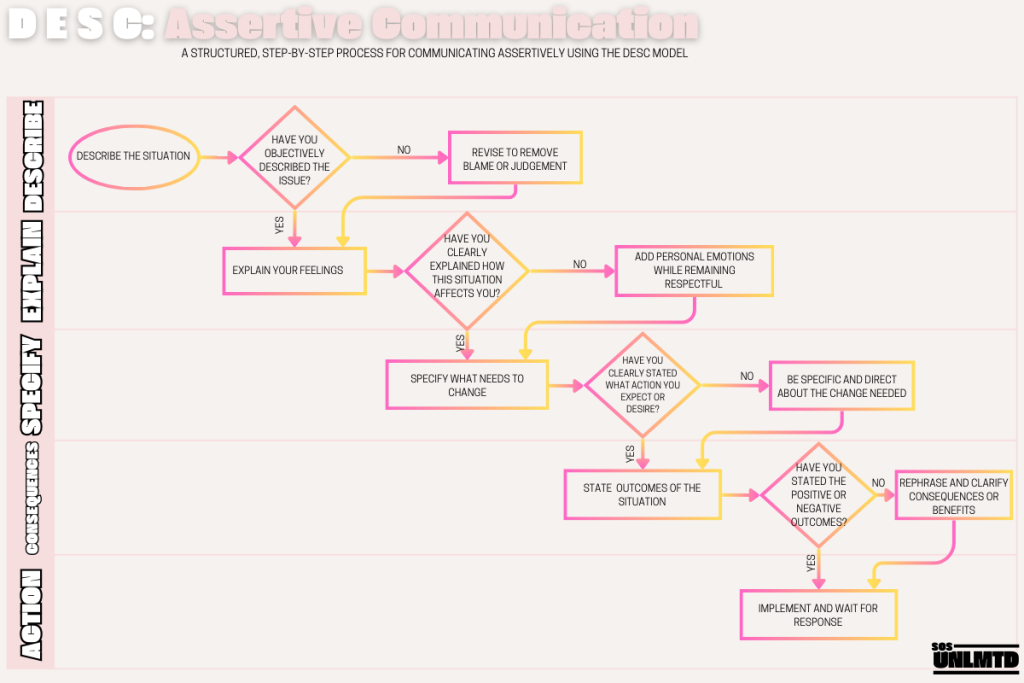
- Conversation styles and D E S C: assessing how I interact with people and implementing tools to communicate effectively within my relationships
- Butterfly Hug: to center me when my emotions and feelings are heightened
- Hand model of the brain Our Reaction to Stress Explained: How to use ‘The Hand Model of the Brain’
- “Yes, and…”: Engage with thoughts and emotions more productively by accepting them and then exploring what positive actions or changes can follow.
- “What is my next action?”: Breaking down actions to their simplest steps
My biggest value was to be present for my children. Personally, it doesn’t seem right to create life then not have much to do with them, especially if one already finds life challenging. If my job was no longer helping me make towards moves, then it wasn’t currently an important value.
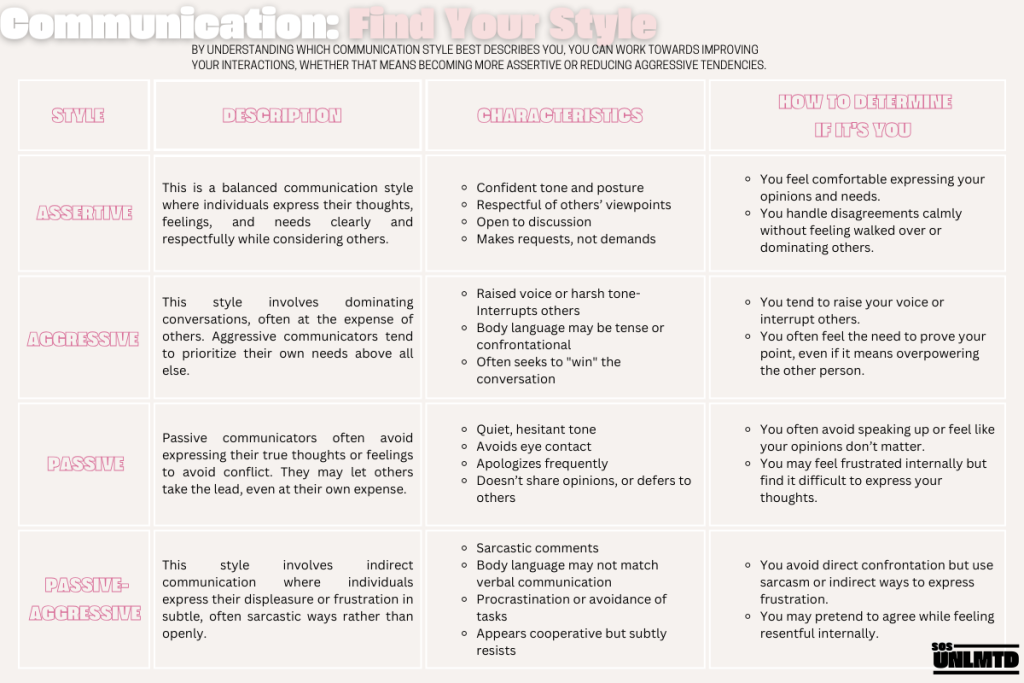
After we worked through my communication style, which is a bit of a mix but for the most part, it seems passive. I started off Assertive in emails but in the meeting, I fell apart and backed down. I was apologising and agreeing to try to find solutions I knew wouldn’t work. All of the solutions that seemed logical and obvious for parents with typical children wouldn’t work for us. With the business forcing me to work in the office three days a week, I didn’t know how I was going to make this work.
Realistically, I could have made two days in the office work for myself and my family while still maintaining my team connection and productivity. After reevaluating all the events that led to this moment, it felt off. It caused me more mental turmoil than it was worth. One of my New Year Resolutions was to protect my own peace; if it didn’t feel right then I wouldn’t do it. This became clear after working through my values and how I wanted them to align in my life.
I decided the best action and my next step was to resign.
My resignation was accepted without an attempt to negotiate which left me feeling deflated as if I offered hardly any value to me team or the company. All of this because I didn’t get the support, I felt I needed to remain in my role, the business was unwilling to meet me and my situation at a place that works for everyone. In fact, a recent study that conducted a large experiment on the 60% in office model suggest that a reverse 40% in office hybrid working model would also be effective.
Also, this experiment analysed the effects of working three days per week in the office and two days per week from home. So, our findings might not replicate to all other hybrid work arrangements, but we believe that they could extend to other hybrid settings with a similar number of days in the office, such as two or four days a week.
Bloom, N., Han, R. & Liang, J. Hybrid working from home improves retention without damaging performance. Nature 630, 920–925 (2024). https://doi.org/10.1038/s41586-024-07500-2
It’s taken me quite some time to mentally and physically deal with the negative impacts this has had on my mind and body. I’m finally starting to relax about morning routines, I feel freer and less tense. For the better part of 10 years it has been go, go, go on someone else’s schedule and expectations and I feel like I’m still going through the different stages of grief.
Let’s Understand Mums with Additional Needs Children.
At a parenting course, I had a conversation with a mum who also had to give up her career because it became too much trying to make it work. Her advice was “just leave, it’s easier”, by this stage I had already made the decision anyway, but the validation was comforting. This was someone else in my exact situation making the exact same decision. She understood. It takes more energy to fight to be heard, energy I didn’t have anymore because I’m deep in the situation, and I’m explaining my situation over and over again, but no one is even trying to listen to what I’m saying. It’s exhausting.
Mothers of children with disabilities or neurodiverse needs face additional challenges that mothers of typical children may not experience. Here are some unique challenges we encounter:
Increased Caregiving Demands:
- Time and Energy: Mums of neurodiverse or disabled children often need to dedicate significantly more time to caregiving. This includes managing doctor visits, therapy sessions, and special education needs. These responsibilities leave little flexibility for full-time office work.
- Emotional Toll: The emotional weight of advocating for their child’s needs in school or healthcare settings can be exhausting. Managing meltdowns, sensory issues, or communication barriers adds an emotional layer to daily routines.
- Physical Demands: Physical caregiving may involve lifting, bathing, feeding, and more, especially if the child has limited mobility. This can lead to physical fatigue and health issues for the mother.
Financial Strain:
- Increased Medical and Therapy Costs: Families of disabled children often face higher healthcare expenses, including therapies, medical equipment, and specialised treatments. This financial burden can make full-time employment challenging, especially when affordable childcare options for special needs are scarce.
- Lack of Affordable, Specialised Childcare: Finding trustworthy, specialised childcare is often difficult and costly. Mainstream childcare providers may not have the training or resources to care for neurodiverse or disabled children, forcing mothers to reduce work hours or stay at home.
Social Isolation:
- Limited Social Support: Mums of neurodiverse or disabled children may feel isolated as they juggle caregiving, work, and other responsibilities. This isolation is often compounded by the lack of understanding from others about their child’s needs.
- Difficulty Accessing Peer Support: Many mothers find it hard to connect with other parents who understand their unique challenges. While typical parents may have access to a wide range of support networks, these may not address the specific needs of parents raising children with disabilities.
Workplace Inflexibility:
- Lack of Workplace Accommodations: Many workplaces don’t offer the flexibility required to meet the unpredictable needs of a child with special needs. Whether it’s for therapy appointments, sudden school meetings, or caring for a sick child, these demands make traditional 9-5 office work more difficult.
- Judgment from Colleagues and Employers: Working mums often report feeling judged by their employers or co-workers for needing more flexibility or time off, as their caregiving responsibilities are not always well-understood or respected.
Emotional and Mental Health Strain:
- Caregiver Burnout: The constant attention and care required can lead to high levels of stress, burnout, and mental health challenges like anxiety and depression. Mothers of neurodiverse or disabled children often face heightened caregiver fatigue, balancing work and caregiving with little time for self-care.
- Guilt and Pressure: These mothers may feel an immense pressure to be the “perfect parent,” managing both work and the complex needs of their children, often at the cost of their own well-being.
Navigating Educational and Healthcare Systems:
- Advocacy Burden: Mothers of disabled children frequently take on the role of advocate, pushing for the right educational placements, therapies, or healthcare services. This advocacy is time-consuming and emotionally draining.
- Inequality in Services: Access to specialised educational and healthcare services may vary greatly depending on location, financial resources, or knowledge of the system, making it harder for mothers to secure the right care for their children.
By understanding these unique challenges, employers and society at large can begin to offer more supportive environments for mothers of children with disabilities or neurodiverse needs. Offering flexible working arrangements, empathetic support, and adequate accommodations can make a significant difference.
Working From Home – Forever A “Privilege”.
“Society expects mothers to work like they don’t have children yet raise children like they don’t have a career”.
It is interesting to me because working from home is nothing new, I had been given the “reward” of working from home when Nasir was little. It wasn’t all the time, but the opportunity was there because I was a good girl and had earned the privilege. During Covid it was considered a must. Now, it’s back to being a privilege. It feels like employers no longer trust their employees. Granted, some do take advantage and can slack off during the day which makes it harder for those that want to build that trust. But during the time when it was the only way a business could keep making money, parents were doing triple duty and were able to create new routines that worked better for their families.
Here are some challenges that working mums face with the expectation to work in the office:
- Childcare and Transportation Costs: The high cost of childcare and transportation makes it financially challenging for many mothers to justify returning to work. Commuting adds both time and expense, compounding the stress of managing a family and a job.
- Lack of Support Systems: Even financially stable mums may lack adequate support from family or local communities, especially when raising children with special needs. This makes balancing office attendance and family care responsibilities overwhelming.
- Work-Life Conflict: The “Motherhood Paradox” forces mothers to balance unrealistic expectations of full-time work while being present for their children. Many are left feeling as if they must choose between career success and raising their children.
- Increased Workplace Expectations: Companies often expect higher output while providing fewer resources. The pressure to perform in the office is exacerbated for mothers who have additional responsibilities at home.
- Trust and Flexibility Issues: Many employers have changed how we work-from-home, causing a loss of trust. It seems as though we are back to expecting mothers to go back to working part-time to enable the flexibility they need to make it all work.
- Stress from Commuting: Regular commuting disrupts family routines and leaves mothers with less time to dedicate to their children’s needs, especially if they live far from work.
- Job Market Difficulties: As the job market shifts with redundancies, finding roles that offer necessary flexibility becomes increasingly difficult for mothers balancing caregiving and career.
Using DESC.
It’s hard to communicate these with anyone, let alone your employer. I’m generally a people pleaser and won’t say anything to the detriment of myself or my family. Have you ever been in that situation where you kicked yourself for not realising someone talked shit about your kid or did something to them you don’t agree with but didn’t say anything just to keep the peace? I have. Many times. I don’t agree with people bribing my children with candy or emotionally manipulating them to make them hug someone because I don’t want this to have a downstream impact like it has with me. I find this type of situation hard to navigate because I was wrongly forced to hug and kiss relatives when I was younger.
To help with being more assertive, she gave me the DESC framework as a tool to convey what I felt I needed. Unfortunately, I had to give 6 week’s notice before I could implement this. But the good news folks, this is such a great tool to use when advocating for your child! It wasn’t expressly covered in the parenting course I had attended, but advocating for your child’s educational rights were and implementing the DESC framework is a great place to start.
If you’re not confident completely adapting your communication to Assertive, try these:
- Assertive – Use DESC Naturally
- Passive – Use “I” Statements
- Aggressive – Focus on Describe (D)
- Passive-Aggressive – Encourage Clarity
One question you need to ask yourself is “Who will be hurt or inconvenienced if I do/don’t do or say/don’t say this?” and if the answer is you or your family, then you SHOULD stand up for yourself
Let’s Hear It For The Working Mums!
The recent shift in the New Zealand government’s policy to bring public servants back to the office has sparked a critical conversation about the importance of flexibility in modern workplaces, particularly for working mums. While returning to the office may benefit city centers and local businesses, it fails to consider the diverse needs of families—especially those with additional caregiving responsibilities.
Studies consistently show that flexible working arrangements, including hybrid and remote work, are not only beneficial for employees but also for employers. Research conducted by Stanford University highlighted that hybrid work models improve employee retention without sacrificing performance. Working from home allows mothers to balance work with family life more effectively, fostering mental well-being, reducing burnout, and increasing overall productivity. For mothers of children with special needs, the ability to work from home is crucial, as it helps them manage the increased demands of caregiving, education, and emotional support.
By contrast, the government’s return-to-office mandate reinforces outdated structures, making it harder for working mothers to navigate the balance between their careers and families. This policy forces many into a difficult choice between fulfilling workplace expectations and caring for their children. The long-term impact of such rigid policies risks alienating capable and experienced employees, particularly those who need flexibility the most.
Flexible work arrangements should not be seen as a privilege but as an essential element of a supportive and inclusive work environment. By offering mothers the option to work from home, we acknowledge the unique challenges they face and empower them to contribute both at home and in the workforce. It’s time to rethink how we value and accommodate working mothers, fostering environments where they can thrive—not just survive.
Thanks for coming to my TedTalk!
Elysha