
The Middle Child: BIG RAHIM ENERGY
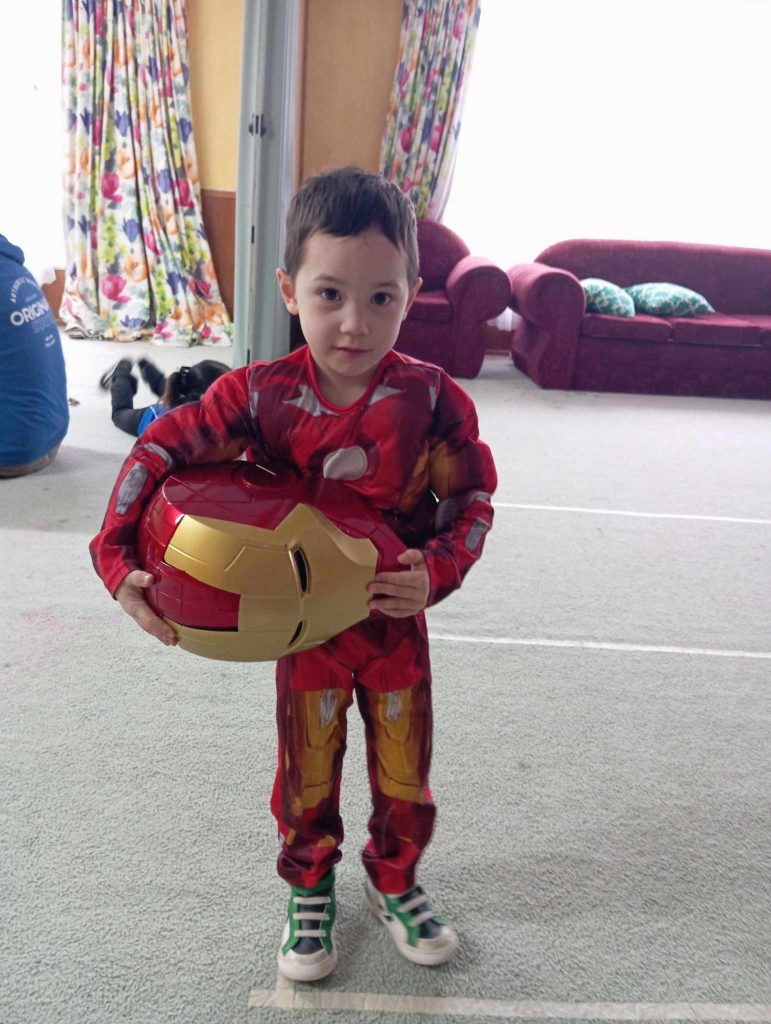
Balancing attention and expectations among siblings is never easy, but when one child has additional needs, it adds layers of complexity. This is the reality Rahim faces every day as our charismatic, compassionate, and clever middle child. Though life hasn’t always been fair to him, Rahim’s BIG RAHIM ENERGY shines through, making him impossible to forget.
The Expectations We Place on Him
We’ve had some very grown-up conversations with Rahim. As much as it pains me, we’ve asked him to help mummy and daddy by setting an example for Nasir and Aisha, especially with behaviour and language. While I do my best to explain what is going on in simple terms that he would understand, I often find myself drawing comparisons to his favourite shows or characters to help him relate. A recent one was helping him to understand kind and unkind behaviour by linking it to Wicked (which is on constantly at home, currently).
Helping him relate what is happening in his life to something he has seen and processed deepens his understanding and makes it click in his brain. I know this helps because he will bring up our conversation the next time we watch whatever it is that we talked about. In terms of explaining that he needs to speak properly in front of Nasir, we framed it as needing his help to support Nasir. Nasir needs to hear us speak properly so he can understand us and we can understand him. It took a few tries with this conversation because he was still much younger, but he eventually got it and would say, “I need to speak properly to help Nasir, don’t I mummy?”
Leading by Example
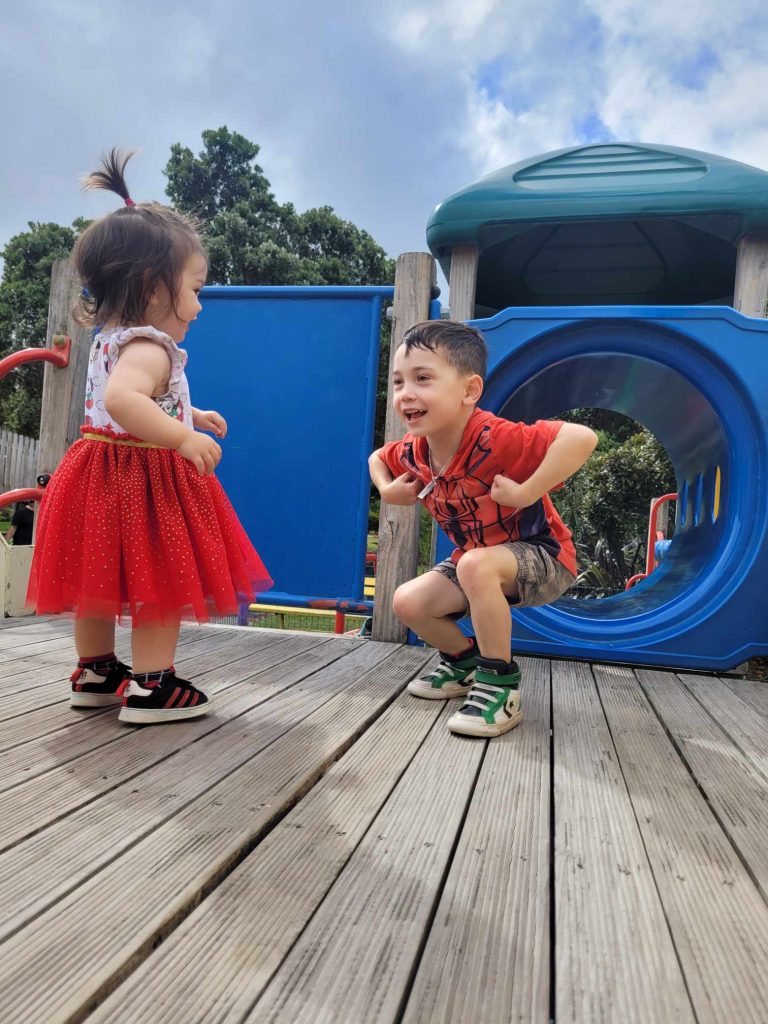
What really locked it in and showed us he understood the assignment was on a family drive, when Nasir pronounced a word not quite right, and Rahim broke the word down, having Nasir repeat after him until he got it right. It was such a beautiful moment to witness, Rahim taking initiative and Nasir being receptive to his little brother.
Rahim’s protectiveness extends beyond Nasir. When Aisha is in the bigger kids’ room at daycare, Rahim instinctively makes sure that the older kids don’t get too close or invade her space. Without being prompted, he steps in when needed, making sure she feels safe. His role as the middle child has made him hyper-aware of his younger sister’s comfort, and it’s heartwarming to see him looking out for her.
Music has always been a big part of Rahim’s life. We didn’t realise how much he absorbed until the day we heard him rapping Joyner Lucas’ lyrics, clear as day. While we had to have a chat about appropriate language, it was a moment that highlighted just how clever and impressionable he is. Due to these conversations, he reminds us when we use words or phrases we shouldn’t, which is a nice reminder that his ears do actually work!
The Forgotten Middle Child
I was the middle child, so I can relate to Rahim in some ways. But our upbringing differs. My white, non-religious parents raised me with the expectation to be the best at everything. Life, education, and sports were competitions to win. I still remember crying over a silver medal at a gymnastics competition. Gold would have me noticed by my parents and treated equally to my siblings. Though, Saturday morning sports was a constant reminder that I wasn’t worth the time. My parents would always split their attention between my brothers, leaving me to play my sport on my own and maybe be lucky enough to have them catch the last five minutes.
Supry, on the other hand, grew up with typical Asian expectations, compounded by being a refugee at five-years-old. As the oldest child, he helped his parents integrate into a new country while trying to do the same himself. These are feelings and pressures we try not to place on Rahim, but he is uniquely in both positions. My younger-self reminds me of how valued and worthy our children are of our love and attention.
Navigating Big Feelings in a Complex Role
Rahim wears his heart on his sleeve. He comforts his siblings when they’re upset, absorbs the emotions of those around him, and takes things to heart more than I realise. I always felt misunderstood and unsupported for being too sensitive or taking everything to heart. I’ve seen him struggle with the expectation that, because he’s so clever, he should ‘know better’, a phrase I recognise as unfair to him. Maybe it’s the middle child thing?
Reading a study on gender differences in emotional expression1 really challenged how I was raised and made me rethink my approach to parenting boys. It highlights that boys are just as emotionally complex as girls but are often socialised to suppress their feelings. I recommend this study to my friends who have sons to give them perspective on how to navigate their son’s emotions as well as empowering them to advocate for their boy. Seeing myself in Rahim, his sensitivity, his depth of feeling, made me realise how important it is to nurture, not dismiss, his emotions.
Adding to this, having a sibling with Global Developmental Delay (GDD) adds an extra layer of emotional complexity for Rahim. He not only manages his own emotions but also navigates Nasir’s occasional emotional outbursts or physical reactions to situations he’s still learning to regulate. Rahim instinctively wants to help and understands Nasir in a way that sometimes amazes me, but that doesn’t mean it’s always easy for him. It’s a lot for a young child to process, and I want to ensure he has the emotional support he needs just as much as Nasir does. I refuse to let either of my boys grow up believing they need to ‘toughen up’ or hide how they feel. Instead, I want to give them the space to express and process their emotions in a healthy way.
Defining Fairness for Rahim

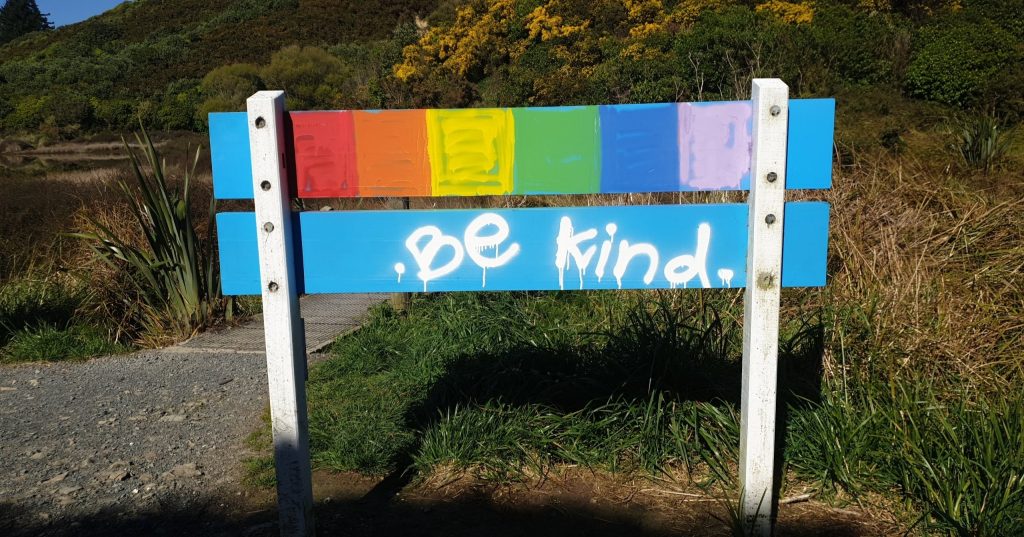
For Rahim, we’ve simplified our expectations to this: be kind. As parents, we teach that boundaries and respect are important, but it costs absolutely nothing to show kindness. Nasir taught us kindness from a different perspective. It’s something we hope Rahim embodies too.
That said, Rahim faces unique challenges as the sibling of a child with disabilities. He sees the allowances we make for Nasir; the therapies, extracurricular activities, and sensory-friendly toys. He notices it all.
Giving Him His Own Space
One example stands out: Nasir’s love for water led us to enroll him in swimming lessons. While Rahim was initially okay with it, he frequently asked if he could take lessons too. We gave him the choice between swimming and gymnastics, and he chose gymnastics. Watching him thrive there feels like witnessing another milestone.
Gymnastics gives Rahim something that’s his own, helping him channel his energy and develop discipline. Plus, he gets to master Spider-Man tricks, which he loves. My favourite moments are seeing him move freely, nailing new skills, then looking back at me and waving to make sure I’ve seen what he achieved. Of course I did! I wouldn’t miss a moment. Especially when he runs back and forth telling me he loves me.
Ensuring He Feels Seen
To ensure Rahim doesn’t sink into the forgotten middle child role, I have been scheduling “days off” to spend time with me. We do fun activities that get him excited, like “mum’s walks,” toy shop visits, coffee dates, movies or special lunches. As long as he feels he has had my undivided attention, felt loved and recharged, I know I’ve done right by him. Rahim always reflects on these days which tells me he treasures them. In fact, he’s in the typical four-year-old behaviour development stage, but influenced by another child. I threatened to take him out of daycare until he started school to de-influence him. Spending all of his time with me is apparently not a punishment. He would love nothing more!
Making Space for His Independence
Like Nasir, we offer Rahim choices to foster independence. These choices aren’t just about activities; they’re about allowing him to shape his own identity. Rahim has always been a mix of attachment and independence. Letting him make decisions, like choosing gymnastics, supports his individuality and gives him space to grow outside the shadow of his siblings.
Encouraging Responsibility and Growth
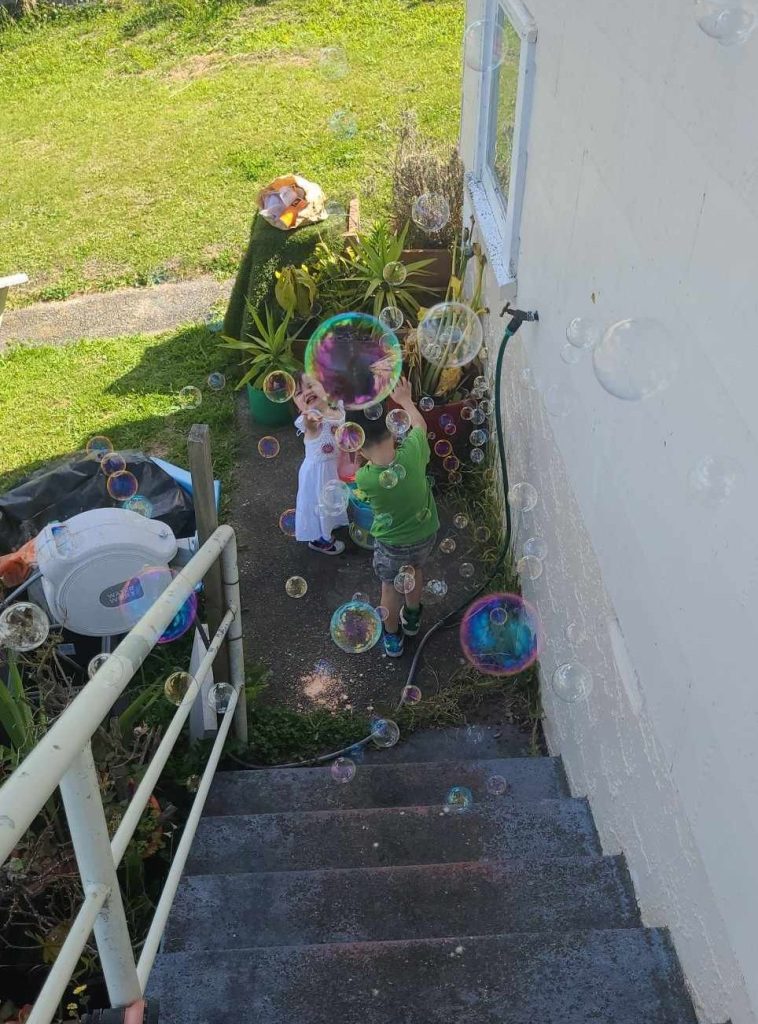
Rahim also loves being involved in day-to-day tasks. He started packing his own lunchbox, which inspired Nasir to try it too. Seeing Rahim confidently embrace independence has been a beautiful reminder of how much he’s capable of.
From the moment he realised he was his own person; he wanted to make his own “coffees” at home. If we asked Nasir to do a task, Rahim announces he will do it and rush to beat Nasir. He loves to help but still has moments where he needs extra love and compassion because some days are hard. He is teaching me to put his feelings and emotions first in these instances.
One thing we’ve always taught Rahim is that it’s okay to make mistakes as long as we learn from them. He’s absorbed this lesson well. Whenever he realises he’s made a mistake or hears me apologising, he’ll remind me, ‘As long as we learn from it and do better next time, right, Mummy?’. Seeing this belief take root in him makes me hopeful that he’ll grow into someone who can handle challenges with resilience.
Navigating Family Life
Life with a sibling who has disabilities isn’t always easy. Rahim has had to navigate situations that other children his age might never face. When Rahim gets invited to a birthday party, we often ask if Nasir can attend too. It’s difficult to explain to Nasir why he isn’t invited, and asking Rahim to keep quiet about it feels unfair. It’s a delicate balance between including Nasir and respecting Rahim’s experiences as an individual. As Nasir has gotten older and gained his own interests, it has been easier for one parent to take Rahim out to birthdays or even just on an adventure without Nasir the homebody, if the purpose is to give Rahim some independence and individuality.
Encouraging Emotional Honesty
We’ve been intentional about teaching all three kids that it’s okay to express when they feel hurt, even by us. To help Rahim feel safe in sharing his emotions, I do my best to explain my own feelings and reactions to him. When I’m overwhelmed, I tell him why, showing him that even adults, especially mummy and daddy, have these moments. He shows me he understands by talking about what happened and asking questions or even reflecting on past conversations. I hope that by seeing me acknowledge my emotions, he’ll feel just as safe expressing his own.
A Strong Sibling Bond
Despite this, the boys share a deep bond. Rahim is fiercely protective of Nasir. When they were both at daycare, Rahim would snatch Nasir’s lunchbox from anyone who tried to help, making it clear that he had his brother’s back.
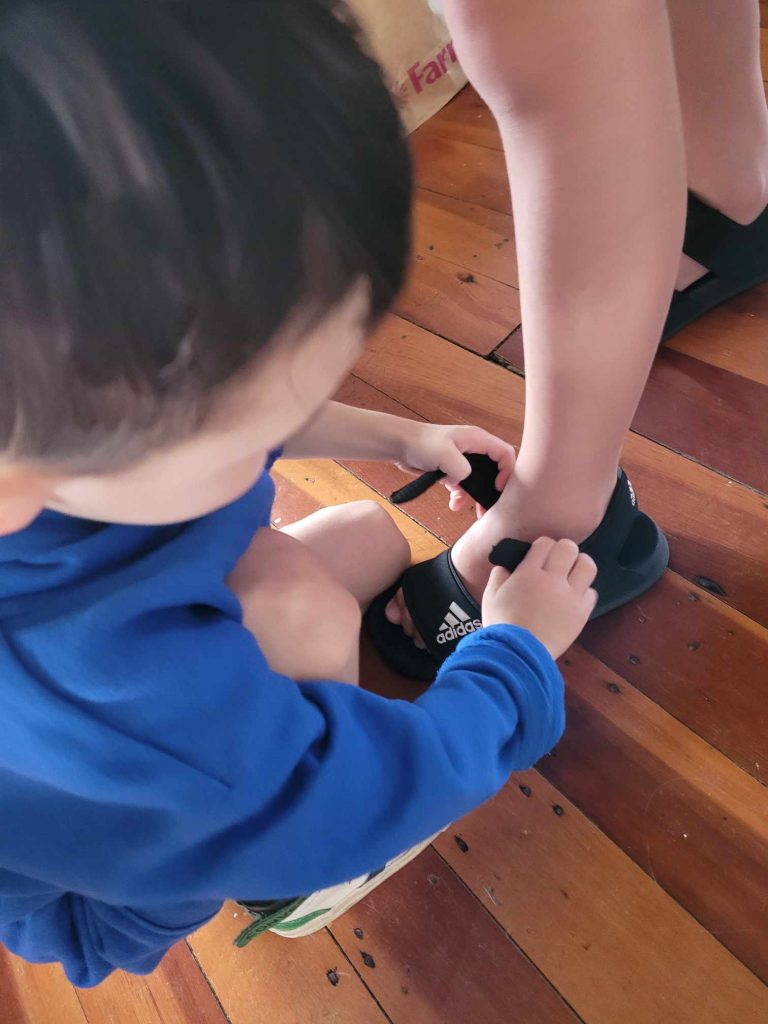
We also have so many wholesome moments where Rahim takes care of Nasir. Lately, Nasir has been asking for help to put his beloved sandals on. This is a bit annoying in the morning rush because he is more than capable of doing it himself, but Rahim, ever the helpful middle-oldest child, willingly and lovingly offers a hand to his brother. Seeing his little face beam when Nasir says, “Bank you, Rahee!” and Rahim exclaiming “I love helping!” melts my heart.
BIG RAHIM ENERGY
Rahim’s personality is larger than life. He’s deafeningly loud, leaps and flips like an acrobat, and loves with his whole heart. He’s also sensitive, adventurous, and brilliant, all qualities that make him unforgettable. Always one to make me feel special, he will remind me to wear make-up and seeing his face light up when mummy “puts her eyelashes on” gives me so much warmth. If I was to describe BIG RAHIM ENERGY in one sentence, it would be:
Rahim is the BIGGEST HYPE BOY you’ll ever need in your corner.
Lessons Learned
Before we knew Nasir was living with Global Developmental Delay, I didn’t realise how important it was to give each child one-on-one time. Now, I see how much it matters. Rahim has taught me that fairness isn’t about treating each child the same, it’s about giving them what they need to thrive. And Rahim? He’s thriving in his own way, the middle child with his own BIG RAHIM ENERGY.

My next blog post will be offering tips that have worked for us on how to navigate supporting siblings of high needs children as well as having age-appropriate conversations.
Thanks for coming along on Rahim’s journey,
Elysha