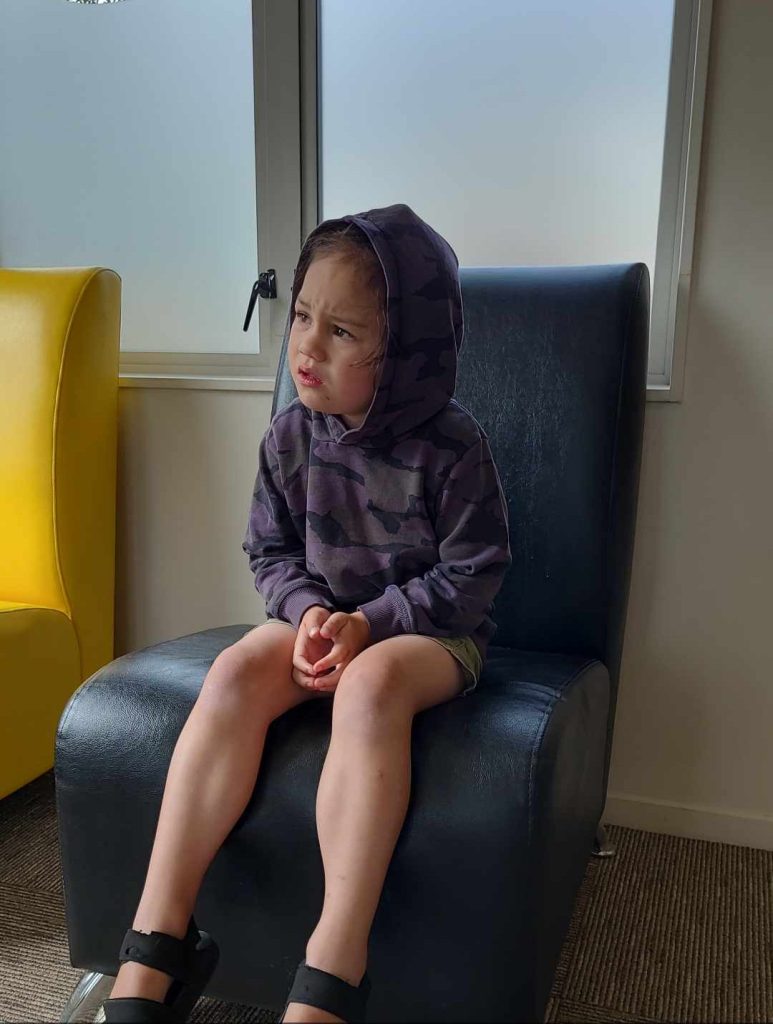
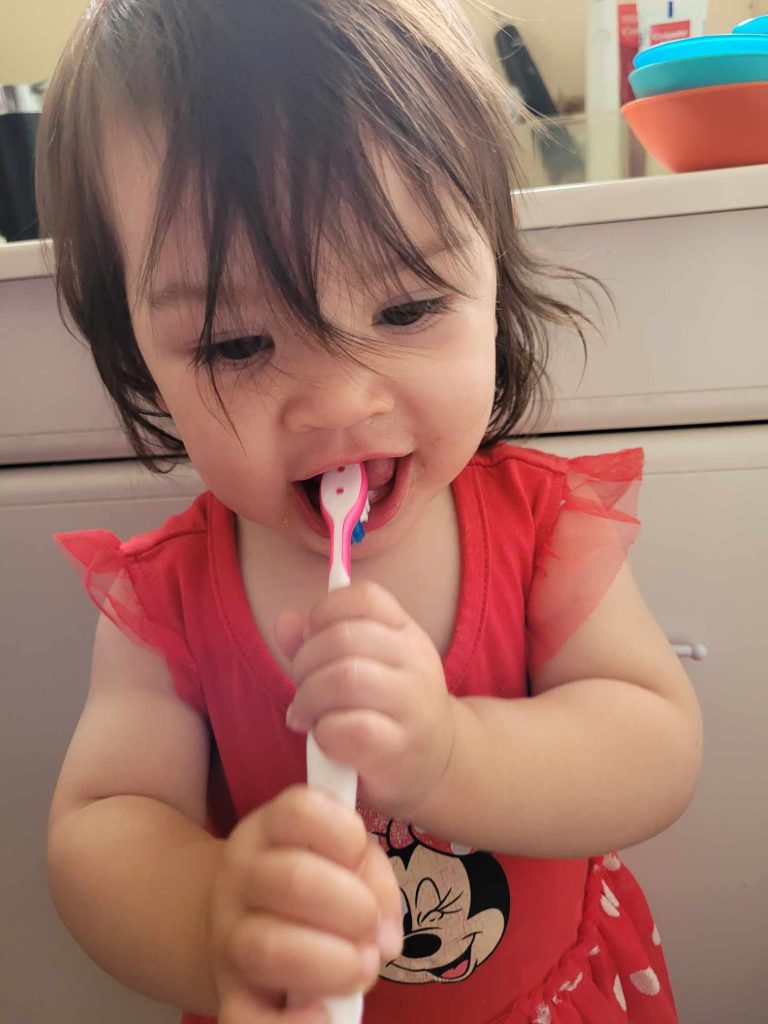
Visiting the dentist with Nasir has always been a challenge. In New Zealand, children have free dental check-ups with Bee Healthyfrom age two until they turn 18. Nasir’s first appointment was actually the easiest for me because he was too young to understand what was happening. He just went along with it. But as he got older and more aware, visiting the dentist got harder. He refused to cooperate, making it impossible for the dentist to check his teeth properly.
We’ve been lucky to have patient and understanding dentists across two different clinics. They’ve offered advice that eased me and has reinforced me to advocate for all of my children, not just Nasir. It’s been a rollercoaster, but Nasir has made huge progress. His latest visit is proof of how far he’s come.
Brushing Battles & Small Wins
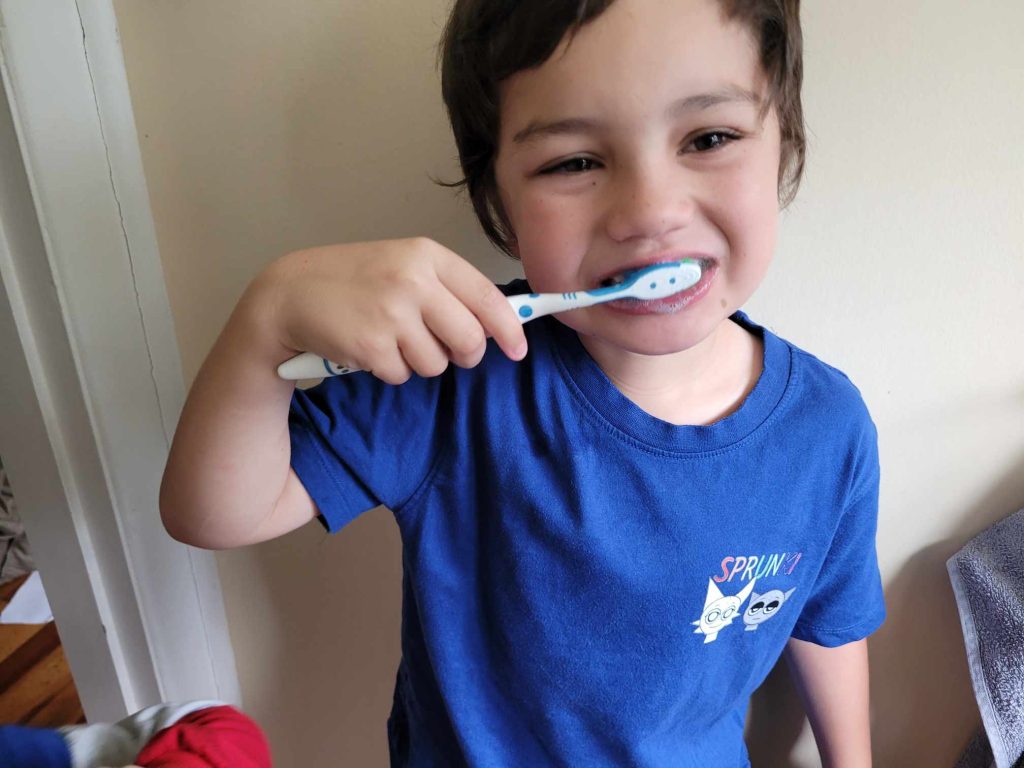
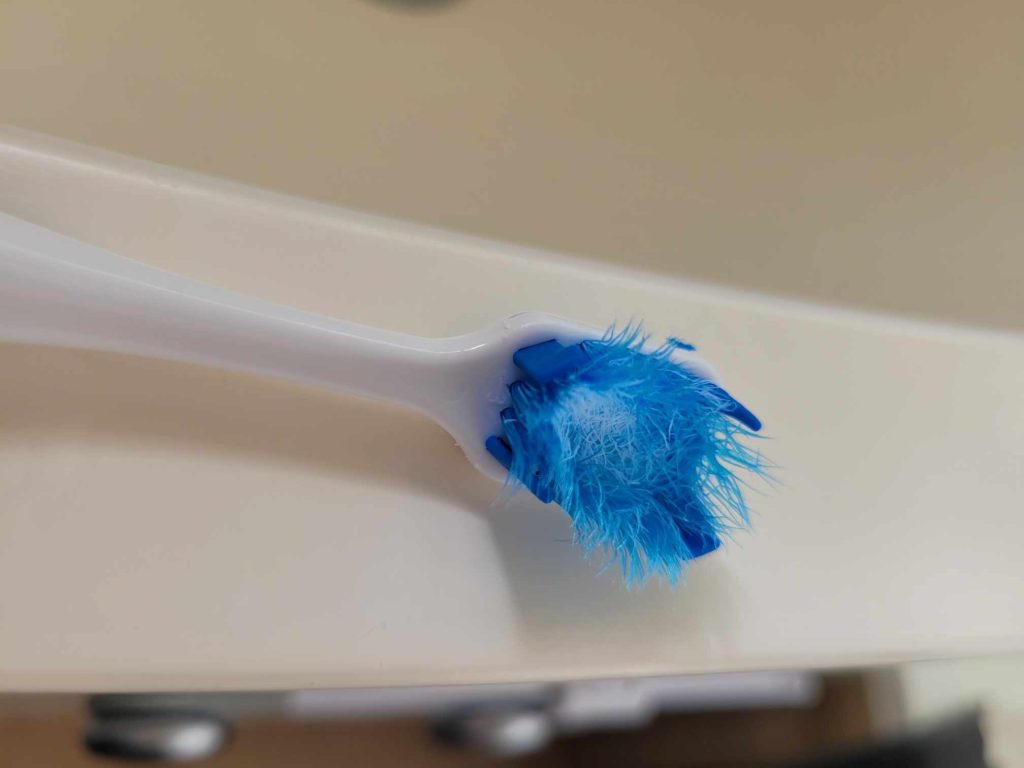
Looking after Nasir’s teeth hasn’t been easy. He thrives on routine, so getting him to brush wasn’t the problem. It was making sure he actually brushed and didn’t just chew on the toothbrush. For a long time, I insisted on brushing his teeth to make sure they were being cleaned properly. We both had tears during these earlier times. I had to let go and pick my battles, but I knew his teeth weren’t getting the care the needed. It was a relief when he would allow me to brush his teeth. I would try to at least get the bedtime brush and let him have the morning brush. Morning breath is obviously not as bad when you brush at night, but studies have shown that establishing consistent bedtime brushing and flossing routines are crucial to long-term oral health. 1
To help, we introduced tools such as teeth-brushing songs from Cocomelon and Sesame Street then eventually Doggyland. They made brushing more engaging, and slowly, things started to improve. Now, when he tells me his teeth hurt, he doesn’t just complain, he goes and puts toothpaste on his brush and brushes his teeth himself. That’s huge! It shows he’s making the connection between brushing and pain relief, a level of problem-solving and self-care that wasn’t there before. And maybe he is being lazy or just prefers it, but he accepts my offer to brush his teeth and floss them now.
Challenges With Food and Oral Health
Nasir’s food options have become a lot narrower over time. He used to eat a wider variety of foods, including salmon or cheese on broccoli, but now he’s incredibly selective. Ever heard of the beige food diet? If you’re here, you most likely have. Food options generally within the same colour palate and more than likely barely any nutritional value (chicken nuggets, anyone?).
Sometimes, we are pleasantly surprised by him trying new foods or prompting outside of his general scope. He also has a sharp sensory awareness and can detect the smallest change in food (or medicine for that matter) even when we think we’ve tricked him. Once, we ran out of chicken-flavoured noodles and swapped them with duck-flavoured ones from the same brand. We thought adding the chicken seasoning would make them taste the same, but the second they touched his tongue, he knew. He refused to eat them. For these same noodles, we’ve had to buy a small tea sieve to remove the “green” from the flavouring. He doesn’t like the green, even a small speck and it’s game-over-dude!
Because of this, getting foods into his diet that help with oral health has been a challenge. He also has a habit of sticking his tongue out to taste food before committing to eating it, which makes it even harder to sneak anything in. His ability to remember previous tastes, assess new foods, and make decisions based on that memory is another way his cognitive development is showing. But this makes it hard for me to be like all the other mums out there hiding vegetables in their children’s foods and claiming the kids don’t notice a difference. Nasir does.
Nasir’s Approved List of Food
Popcorn
Rice
Chicken drumsticks
Lamb chops
Chicken nuggets
Chippies
Cheese
Spaghetti
Wheelies
Noodles
Corn
Apples
Pizza
Chocolate/candy (but even this is selective)
I’ve tried to make small changes to support his dental health, such as switching to FUNDAY sweets or Eclipse mints instead of sugary lollies, especially when we’re trying to bribe him to get into the truck when we need to go out. This isn’t always cost effective or best for his little belly. For Nasir specifically, the reality is that we live by the words of fed is best. He is an active young boy where the food he eats fuels his energy and activity, so we will do our best to take care of his teeth.
This made his yearly dentist appointments all the more important.
The Early Dental Visits: From Compliance to Resistance
Nasir’s first-ever visit to the dentist at two years old was smooth. He didn’t know what was going on, visiting the dentist was new, he just sat there and let it happen. By three, he had developed a sense of autonomy and didn’t quite understand why a stranger wanted to look in his mouth. He wouldn’t sit in the chair, put on the glasses, lean back, or open his mouth. Knowing he needed to have his teeth checked, I wanted to hold him down so they could just get it over with, but the dentist reassured me:
“Don’t force him. We want to build a positive association with dental visits.”
That was such a relief to hear because, in other medical situations, we’ve often had to force things like taking medicine. The dentist’s patience eased me that Nasir didn’t need to be restrained into compliance, he just needed time.
At four, the appointment was mostly just him sitting on my knee while I tried to make him laugh so they could get a quick glimpse of his teeth. He wasn’t having it. The second he decided he was done, he shut his mouth and refused to open it again. They got enough of a look to determine his teeth are probably OK. This prompted their suggestion to begin visiting the dentist more often.
Because of how difficult check-ups were, the dentist recommended Nasir come every six months instead of the usual twelve. The goal was to monitor his teeth more frequently since they could barely get a look at them during each visit.
School Van Refusal and More Frequent Check-Ups
When Nasir started school, the Bee Healthy dental van came around for check-ups, but he flat-out refused to even step inside. I got a call from them, and they were laughing because he is absolutely right to not get into a vehicle he doesn’t recognise! That’s fair.
So, we had to take him to the clinic instead. This was frustrating because booking an appointment was a mission and pulling him out of school meant he wouldn’t want to go back afterward. This would always cause an emotional upset and to avoid it we needed an out of school hours appointment which wasn’t always available.
Around this time, we had found out that Nasir has Global Developmental Delay (GDD). I mentioned this to the dentist, but she assumed he was autistic because she had a child with autism in her family. I know she was trying to comfort and relate to how difficult it can be to convince Nasir to let them check his teeth. But it was a reminder that I need to advocate more for Nasir’s diagnosis, or lack of. Grouping all kids who struggle into an assumption of autism doesn’t sit right with me, especially considering we don’t currently have a formal diagnosis outside of GDD.
Recent Breakthroughs: Cognitive Growth in Action
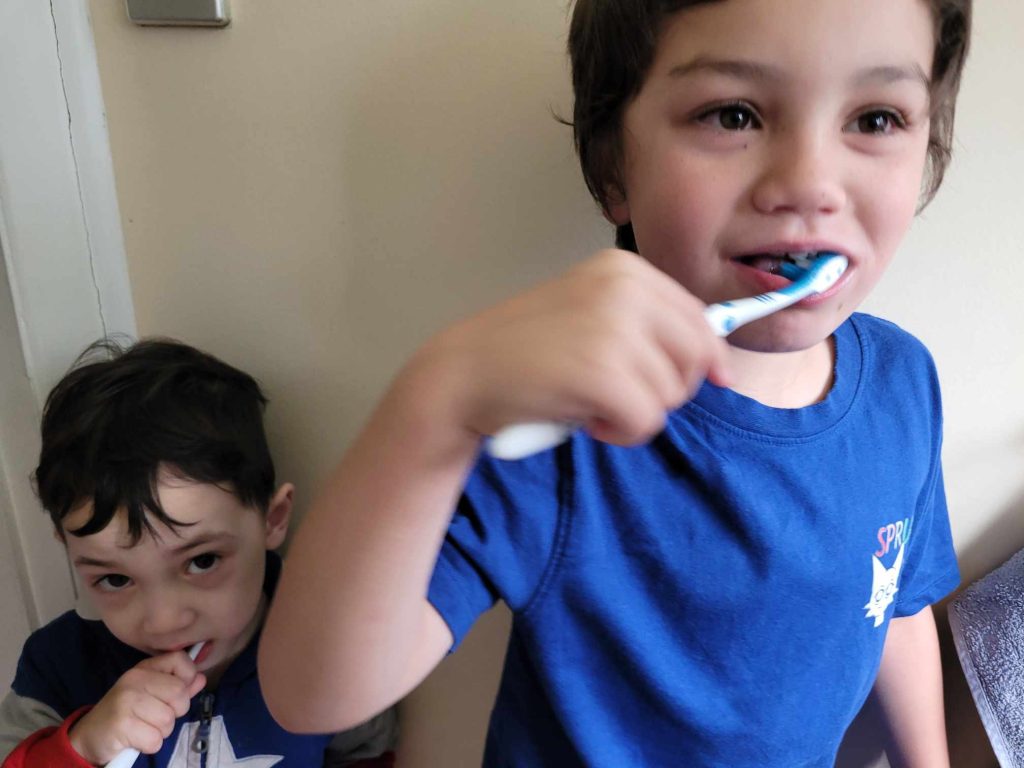
Visiting the dentist more often mean Nasir began to understand what was expected of him. At one appointment, he let them put the cool sunglasses on him without a fight and recline in the chair. Another time, he watched Rahim get his teeth checked and realised it wasn’t that bad. Seeing someone else do it helped him process the experience differently. That social learning by watching Rahim and adjusting his expectations, was another sign of his cognitive growth.
His most recent visit was the biggest win yet. He let the dentist apply fluoride for the first time, something he has always refused before. This was a massive achievement! But when I asked Nasir about visiting the dentist, all he cared to tell me was about The Minecraft Creeper glasses they let him wear.
Thankfully, the only mention about his teeth was a bit of plaque buildup. A timely reminder that even though he has responsibility of his teeth, he still needs guidance to brush thoroughly. Bee Healthy recommends that children may need help brushing their teeth effectively until around age 7 due to developing fine motor skills. However, the guidance I give him in different forms; modeling, verbal, as well as doing it for him has not only helped him understand how he needs to brush his teeth but has also strengthened his fine motor skills.
Tips For Visiting the Dentist & Looking After Additonal-Needs Childrens Teeth
Start Young & Normalise Dental Visits: Take your child to the dentist early to familiarise them with the environment before issues arise. The earlier they start, the less intimidating it becomes.
Schedule More Frequent Visits: Many children with high needs struggle with compliance, so visiting every six months (or more often if advised) ensures potential problems are caught early and reduces the stress of long, intensive check-ups.
Use Familiar Comforts: Bring a favourite toy, blanket, or even noise-cancelling headphones to create a sense of safety. Having a sibling or parent demonstrate can also make them feel more comfortable.
Incorporate Their Interests: Find something that excites them, like Nasir’s Creeper glasses, to make the visit positive. Some clinics offer themed sunglasses, so ask in advance if they have something your child would like.
Focus on Building Trust: If your child resists, don’t force them. Work with the dentist to introduce small steps over multiple visits to build a positive relationship with dental care.
Create a Brushing Routine with Fun Elements: Songs, apps, and visual timers can make brushing more engaging. Try different toothbrush designs or flavours of toothpaste if they struggle with sensory issues.
Model & Help with Brushing Teeth: Teach them how to brush properly by guiding their hand with their toothbrush, showing them how you brush your teeth, and even brush their teeth/floss for them.
Be Mindful of Diet but Choose Battles Wisely: If introducing healthier foods is a struggle, focus on good oral hygiene habits instead. Finding sugar-free alternatives can also help minimise damage.
Positive Reinforcement: Implement a reward system to celebrate small victories in dental hygiene practices
Bee Healthy has some really great information to equip parents with what they need to support proper oral health for their children.
Thinking back, I can see how far Nasir has come. From being completely unaware, to resisting everything, to now actively participating (even if bribed by Minecraft glasses), he has made huge strides visiting the dentist.
His ability to problem-solve, self-regulate, and understand cause and effect has come a long way. It’s still a work in progress, but every little step, like brushing his teeth when they hurt, tolerating fluoride, and learning from others, shows how much he’s developing.
For parents going through the same struggles, I hope this reminds you that progress isn’t always obvious, but it’s happening. If you’ve faced similar challenges with your child’s dental visits, I’d love to hear what’s worked for you!
If you’re like me, working out went out the window when you became a mother. It was quickly replaced with peeing when you jump, cough, or sneeze, feeling softer or fluffier, and your strength and flexibility became nothing but a distant memory. Yup, exercise for mums is no longer a focused session but it does…
We always wanted Nasir to have a sibling to grow up with. It seemed like a logical thing to do not only from the perspective that we grew up with siblings and cousins, but Nasir always wanted us up walking him around the house, bringing us toys to play, have dance parties, and exploring messy…
Motherhood often feels like gasping for air. Like you’re stuck underwater, unable to breathe, and constantly on the verge of a panic attack. The weight of responsibility, the never-ending tasks, the overwhelming love you have for your children, sleepless nights, and struggling to be more than just a mother pulls you down, leaving you wondering…
Here’s our family’s version of “Spotify 2024 Wrapped” – Sos Family Edition. A celebration of our milestones, laughter, and lessons as we’ve navigated another incredible year. 2024 Wrapped: The People Who Made This Year Nasir’s Top Hits: Rahim’s Greatest Hits: Aisha’s Breakthrough Album: Charming Moments Chart: Top 3 Challenges Playlist: Lessons on Repeat Family Adventures…
Working mums have it rough. This one was actually the topic that had inspired me to start writing about parenting a child with Global Development Delay. With the recent announcement over the New Zealand government’s expectations for public servants to return to the office, it feels like the right time to share my own experience….
“There are concerns about Nasir” she claimed, as she singled me out in the middle of the classroom, in front of teachers, parents, and other kids. I was shocked and angered, I expected more professionalism from someone in her position. A conversation like this surely required privacy so the parent can digest the information. She…