
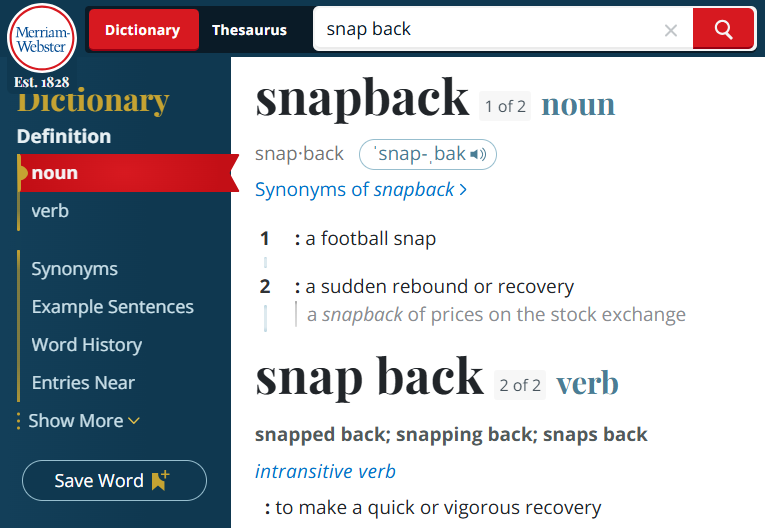
Snapback: To Reality!
Before I became a mum, health and exercise were a huge part of my identity. I felt strong, capable, and in control of my body. Then motherhood happened, and I didn’t snapback. Everything changed, my priorities, energy, and most noticeably, my body.
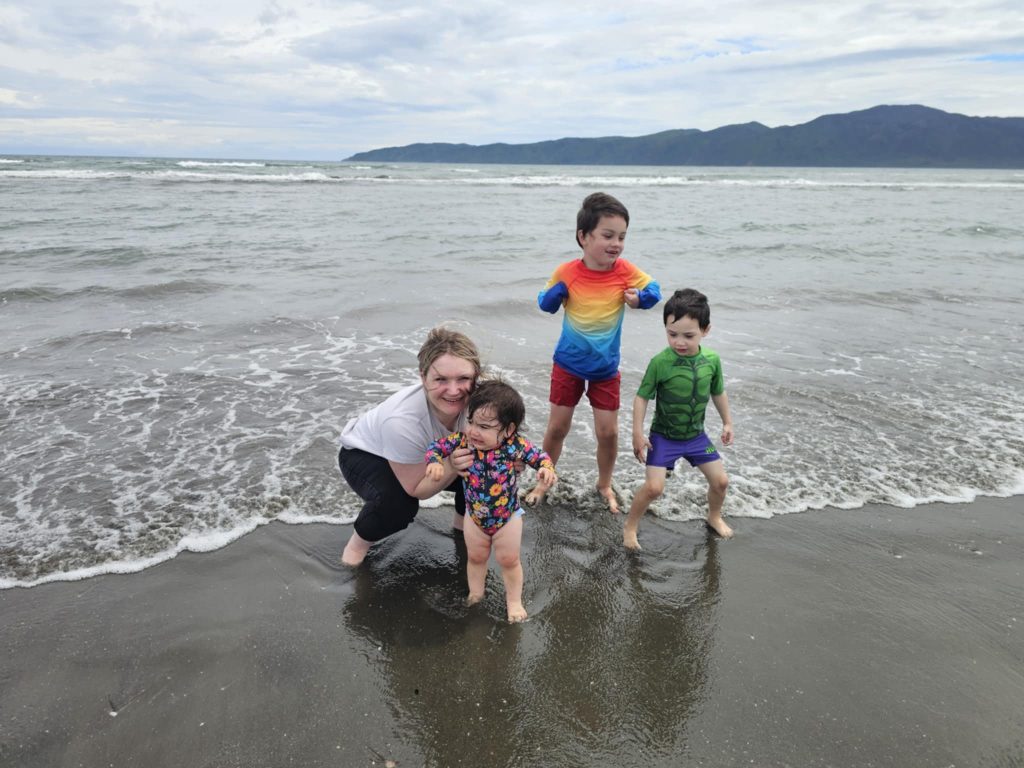
It’s been close to a year and a half since I had my third baby, Aisha, and over seven years since I had my first. Post-birth, each time, I expected breastfeeding to “fix” my body the way it seemed to for the mums I saw in online groups. Many mums would express how down they felt about their postpartum bodies and ask for advice on losing the weight they gained. Plenty of mums would say it just fell off in the first six to nine months due to breastfeeding. Lucky them.
The Reality of Postpartum Recovery
Each pregnancy started with the best intentions: I would gain only what the baby and my body required, stay active, and eat well. But these intentions were no match for pregnancy. Old injuries resurfaced, making it hard to walk properly, let alone work out like I used to, and I was tired all the time. While I made sure the health of the baby was most important, pregnancy became an excuse to indulge more frequently in foods I enjoyed. Some days I took the term “eating for two” too seriously and others I would eat what I could hold down. I put on up to 30 kilograms in one of my pregnancies. Yikes.
I had a traumatic birth with Nasir, extending my recovery as well as my ability to get any form of exercise (including walking). Breastfeeding with Nasir, I struggled getting him to latch and my supply prompting me to experiment with food to encourage more milk. It didn’t matter how often I told myself I’d bounce back; I’d already fallen into habits that were easier to pick up than to break. After Nasir and Rahim, snapping back wasn’t easy, but it was doable. After Aisha, I haven’t been ready. But now I am in a place to finally make a commitment to my body and mind. It’ll be an achievement to not pee myself when I sneeze.
Here’s the truth: it takes around many months for the body to recover from childbirth. Research shows that while some physical healing happens in the first six weeks, full recovery, including hormonal regulation, nutrient replenishment, and pelvic floor healing, can take much longer1. While some of this can be aided by the right nutrition and correct exercises, the focus is on healing, not how someone else thinks you should look.
Living in a Wardrobe That’s Not Mine
I’ve refused to buy clothes that fit my current body because it feels like admitting that my body has changed. Instead, I live in my husband’s clothes, once baggy, now fitting me well, and the less-than-good-condition maternity underwear I’ve had since my firstborn. It’s more comfortable than acknowledging that I’m not comfortable. Simply put, I feel like sausage meat being stuffed into casing, ready to pop, out of my clothes or even skin, at any time.
It’s easy to feel lost when the clothes you wear aren’t even yours. But you know what? I bet your partner loves seeing you in their clothes (unless you’ve destroyed his Jordan trackpants by making them your mum uniform, in which case… remind them you gave them a baby, so their Jordans are the least they could sacrifice).
It’s much harder to remember that we are still the same humans who deserve the love and grace we gave ourselves pre-baby. Life looks different now, and we’d be fools to think we could ever go back to that state. I definitely wouldn’t want to. Would you?
The Weight of Snapback Culture
As a millennial, I grew up on magazine covers that praised celebrities for looking “amazing” just months after having a baby. Headlines celebrated flat stomachs and shamed stretch marks, muffin tops, or anything that didn’t conform to the projected perfect standard. I still remember reading about Victoria Beckham’s seven-year-old waist circumference and thinking, Is that what I’m supposed to look like to be accepted by society?
What was once covers and headlines has now been replaced by social media. Doomscrolling amplifies insecurities, showing endless images of mums who seem to have effortlessly returned to their pre-baby bodies. Media plants the seeds of insecurity, and social media triggers them, making it hard to escape. Whether these mums are fitness professionals, influencers, or just normal mums showing off their hard work, good on them, they should be proud but only seeing the results and not the hard work makes it seem like it just happened for them. I’ve had to train myself out of wishing I looked like them post-birth on the same timelines and teach myself that I have a different life with different challenges. It also doesn’t hurt to scroll right past them and show the algorithms that you’re not interested.
It’s hard to reprogram years of conditioning, especially when you’re constantly exposed to the idea that your worth is tied to how quickly you can erase the evidence of carrying and birthing a child. But the truth is, pregnancy and motherhood permanently alter us. A study in Nature Reviews Neuroscience highlights that pregnancy rewires the brain, improving caregiving instincts while also increasing susceptibility to postpartum mood disorders (2016).2 Combine this with the physical strain of pregnancy, and it’s no wonder snapping back can feel impossible.

Enjoy Motherhood > Snapback
For me, I grieve the body I had only because I’ve tied it to my identity. It’s OK to feel this way while you’re figuring out the new body and mind you have that comes with bringing life into the world. Motherhood has changed me so much that it is a full departure from who I was before, it just doesn’t seem right to snapback to a body that doesn’t reflect who I am now.
What am I snapping back to? Who am I snapping back for? And why should society’s opinion affect my body when half of society will never experience what it is to carry a child? High-profile people and social media influencers make it seem so easy to mask stretchmarks and shrink their womb to an ‘acceptable’ size, but these are exceptions due to resources or positions they hold. We need to accept what the majority of women really look like after having children and giving them space to focus on ensuring those little humans have everything they need to grow.
Dealing with the changes that come with a new baby is hard enough, getting to know their needs, adapting to new routines, and redefining yourself in the process. Are we supposed to snapback to who we were before a baby? Some of us might say we won’t let motherhood change us, but the reality is, it does. And it should.
It is definitely time to start empowering mothers to acknowledge the journey our bodies go through instead of subjecting us to superficial expectations. The only snapback that is relevant is societies snap back to reality. Don’t be so shocked or judgmental when we look like we’ve continued the human race.
Final Thoughts
To the mums who haven’t “snapped back” the way society expects, you’re not alone. And to those who feel trapped by the pressure or caught up in a delayed snapback, know this: you don’t owe anyone a flat stomach, tight skin, or a timeline. Your postpartum journey is yours alone.
Give yourself grace. Celebrate your body for the life it created and the strength it shows every day. And when you catch yourself chasing an outdated ideal, remind yourself: you are enough, exactly as you are.
As always, thanks for being here,
Elysha
References
- American Journal of Obstetrics and Gynecology (2012). Postpartum Recovery Timeline and Impacts on Physical Health. DOI: 10.1016/j.ajog.2012.02.037 ↩︎
- Nature Reviews Neuroscience (2016). Pregnancy and Maternal Brain Adaptations: Long-term Changes in Physical and Mental Health. DOI: 10.1038/nrn.2016.45 ↩︎