
Nasir’s Success: Helping Developmental Delays in School
As I reflect on Nasir’s journey through his second year at school, I’ve gathered valuable lessons and strategies to helping developmental delays in a school setting. Throughout this post, I’ll share practical tips and insights that have been game-changers for our family.
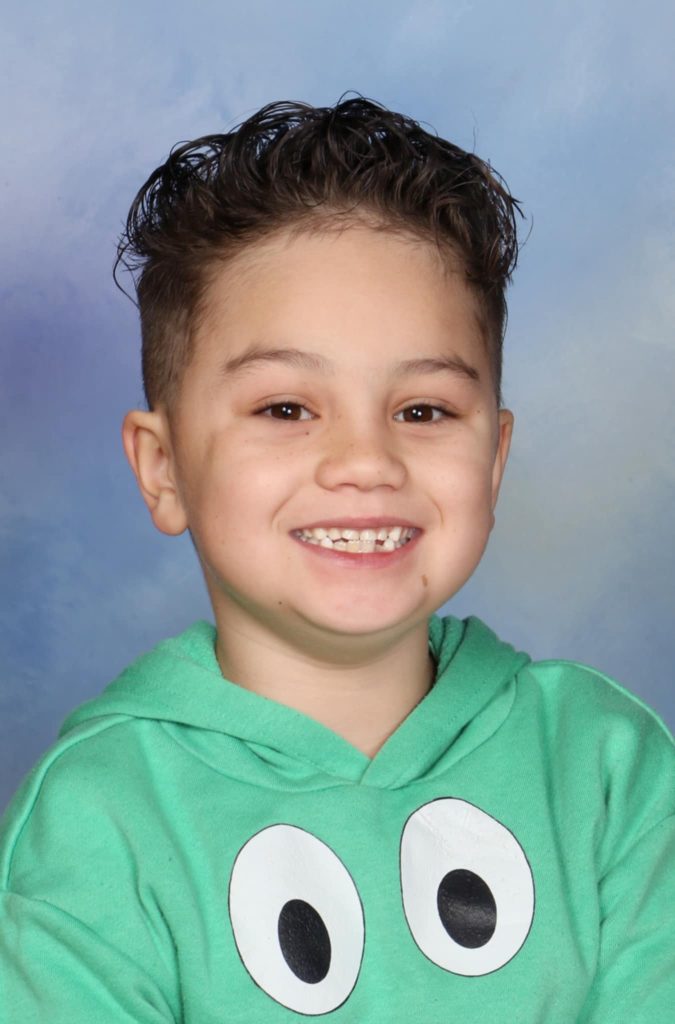
The summer holidays are here, and with them comes the end of Nasir’s second year at primary school. What a year it has been! It has been transformative and a great sequel to his First Year at School.
Starting the Year with New Beginnings
We kicked the new school year off by meeting Nasir’s new teacher and the ORS teacher (Ongoing Resource Scheme) tasked with observing him to assess his eligibility for funding. Nasir was placed in a “Year 1.5” class, a unique setup for children like him who aren’t quite ready for the routines and expectations of Year 2. Hearing about the ‘Year 1.5’ class was a relief I didn’t know I needed. For so long, I’d worried about how schools might label Nasir or struggle to understand him. This approach felt like an acknowledgment of his individuality, not just his challenges. Watching him find his place and flourish reminded me of his incredible resilience and taught me to trust his ability to adapt.
This thoughtful decision is one of the many reasons we’re grateful for choosing this school. Their student-centered approach ensured Nasir could thrive without being labeled disruptive or difficult, which might have been the case elsewhere.
Helping Developmental Delays in School
- Start the School Year Strong: Meet the Team
Connecting with your child’s educators early sets the tone for collaboration. Share your child’s strengths and needs to build understanding.
- Embrace Individualized Learning Plans
Ask about programs or classes that align with your child’s developmental level. Flexibility helps children thrive without undue pressure.
Wendy, Walking Buses, and Observations
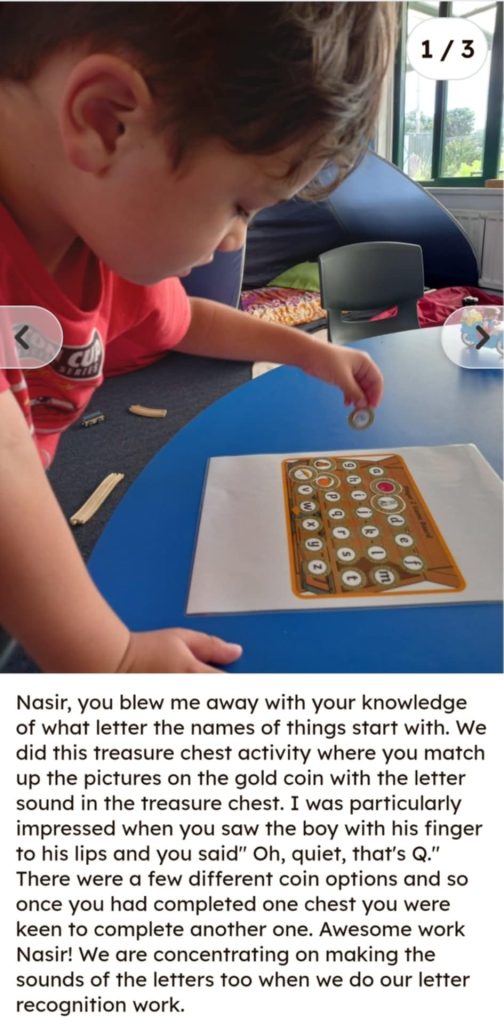
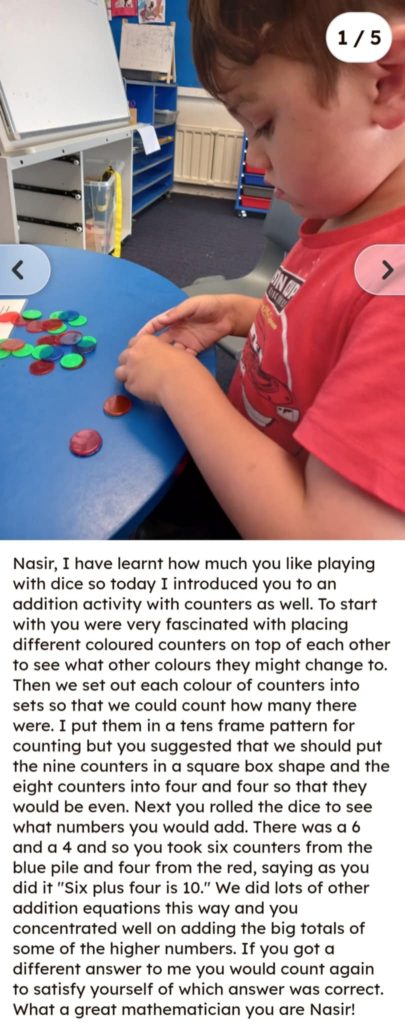
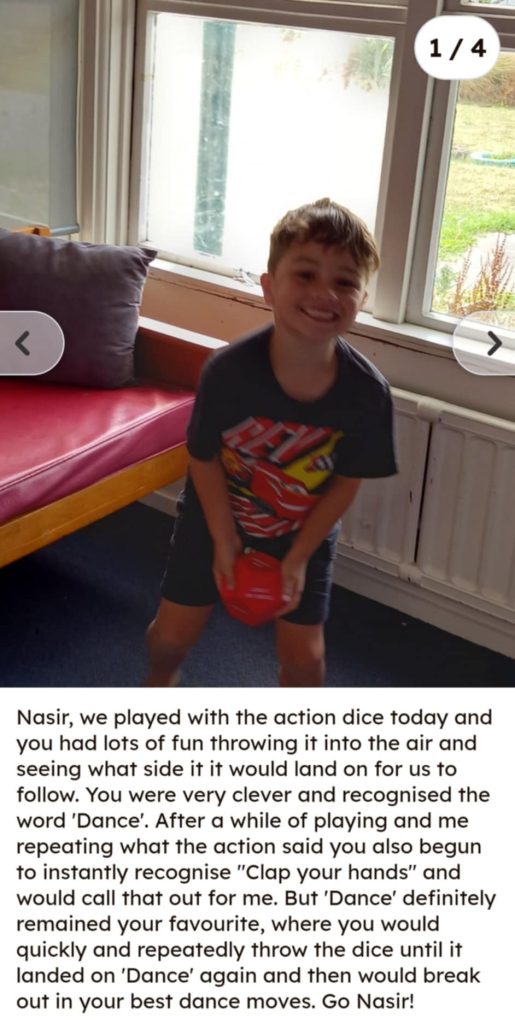
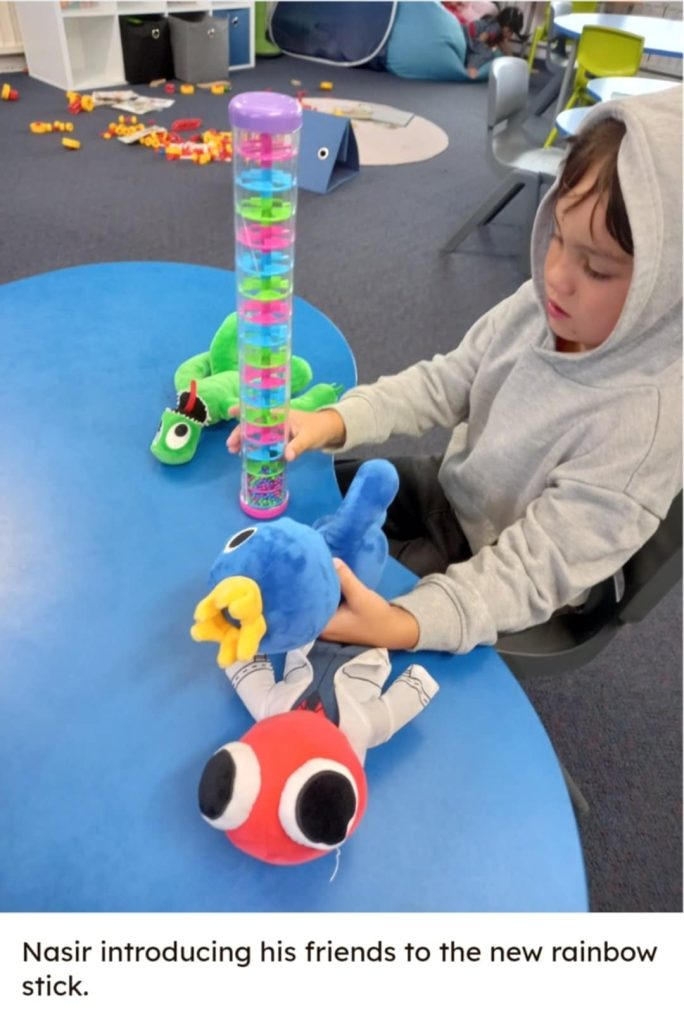
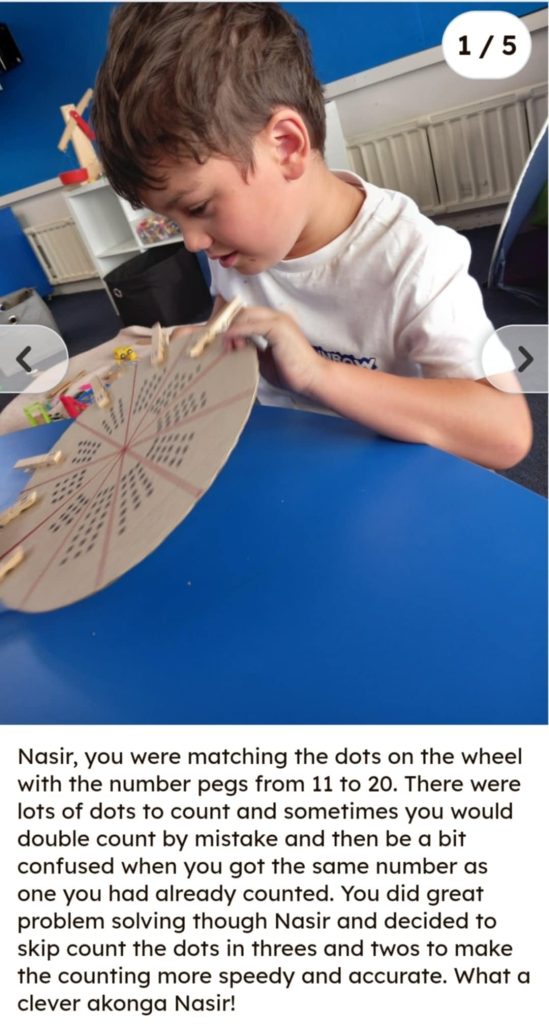
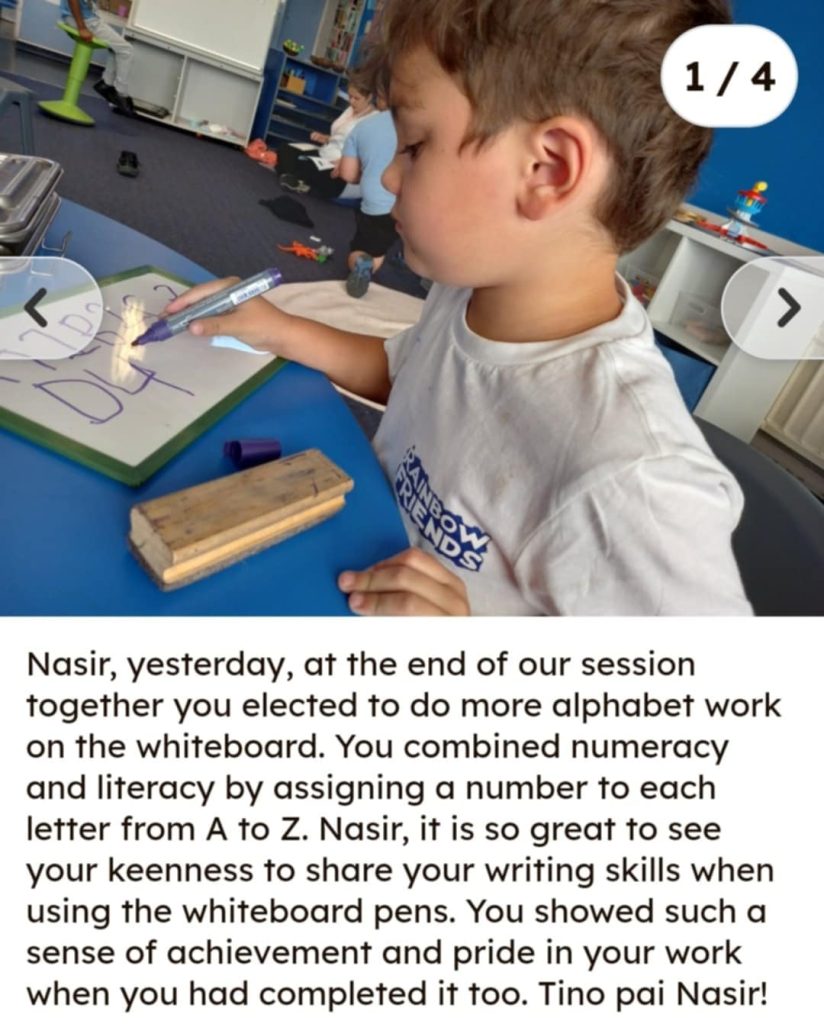
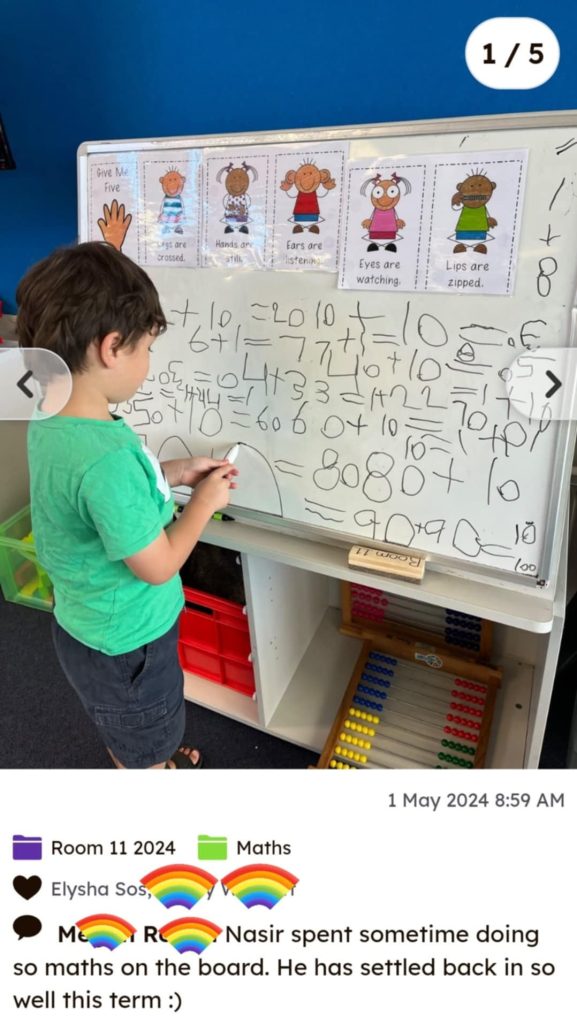
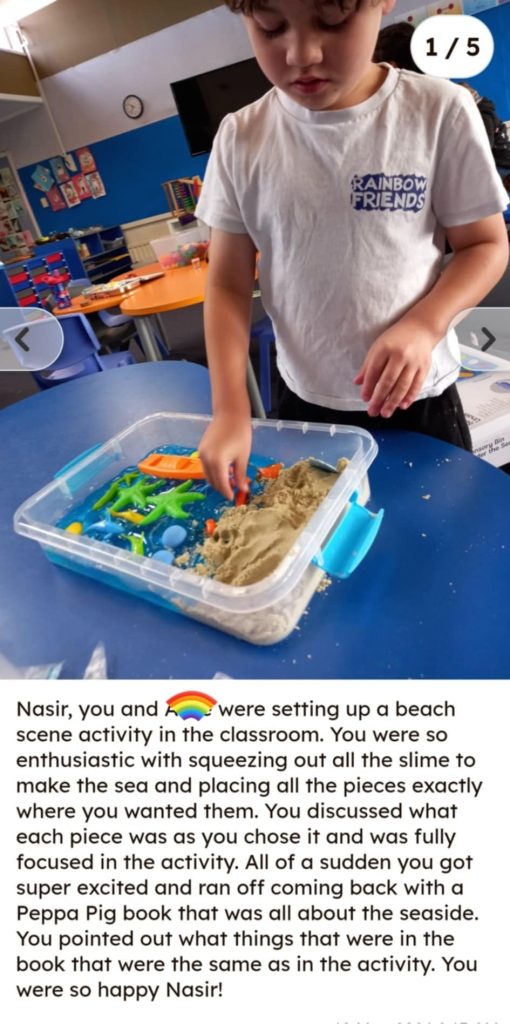
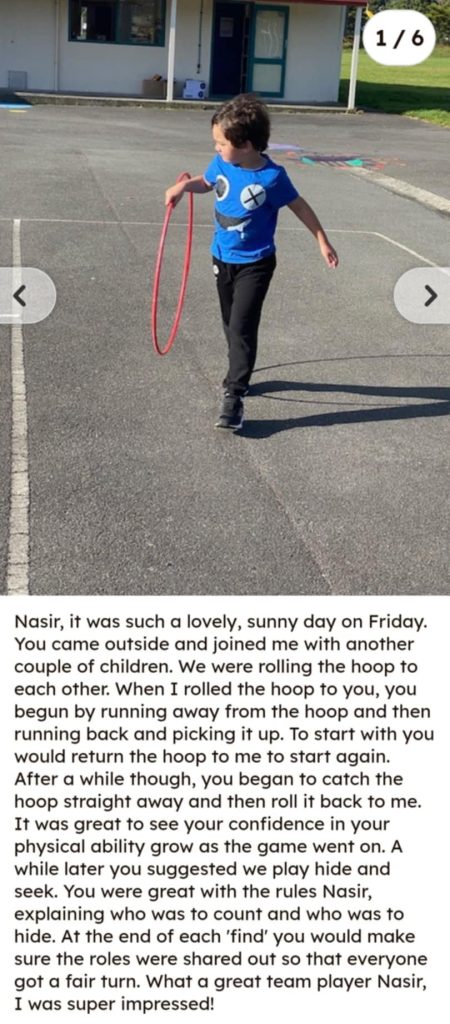
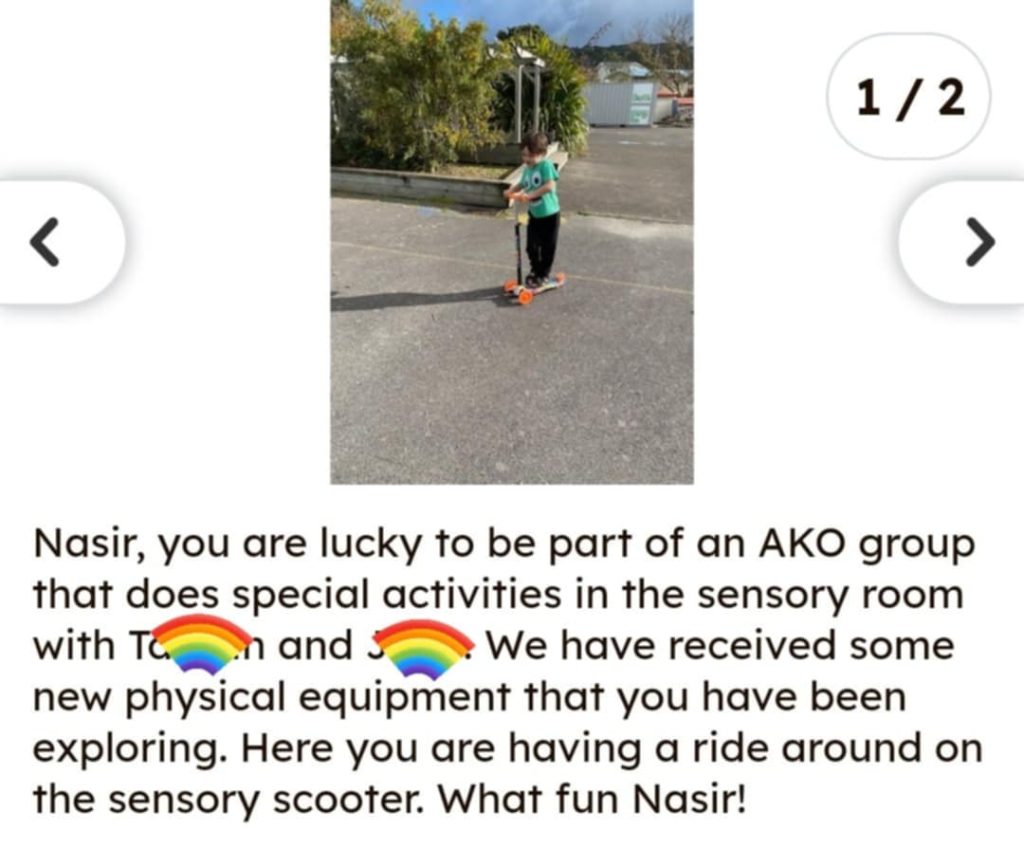
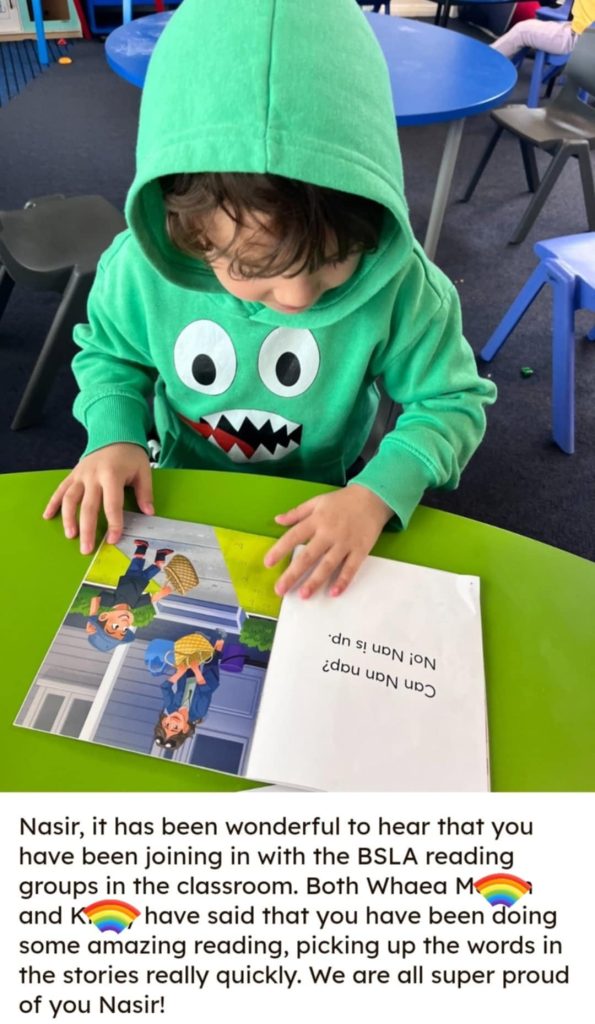
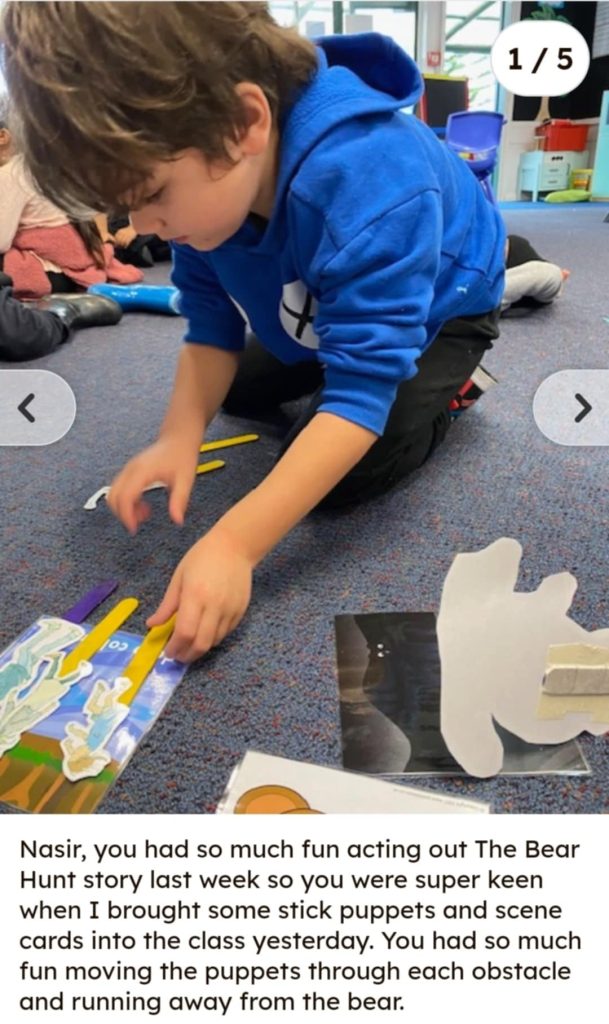
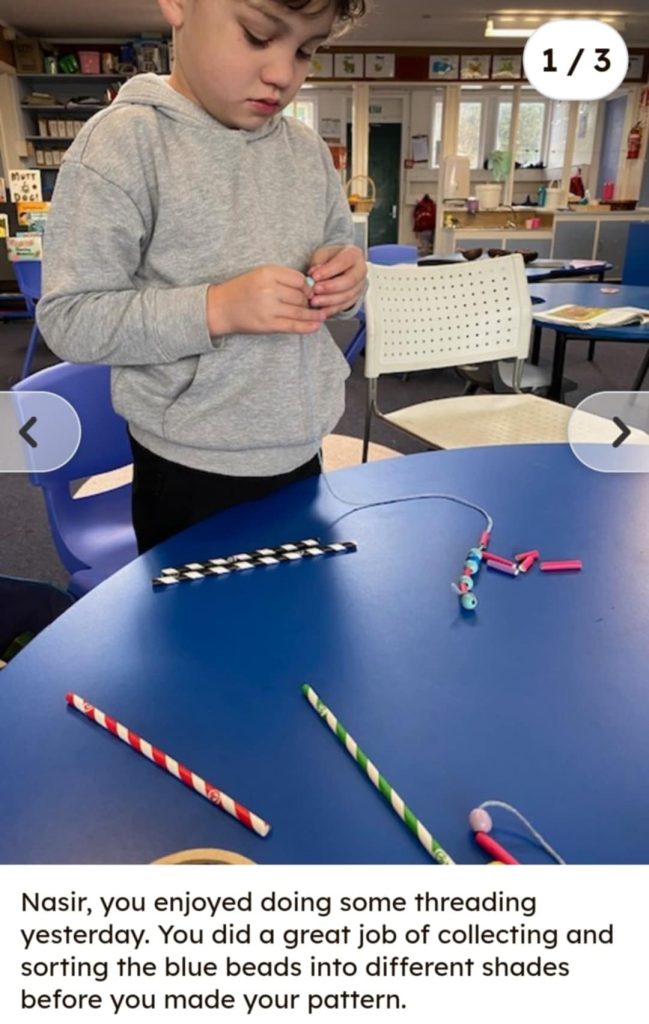
Wendy, the ORS teacher, worked closely with Nasir, providing updates through the school’s app about his progress and observations. Nasir grew attached to her, often asking to join her “walking bus” during the morning construction chaos outside the school. This small but meaningful interaction highlights how much he values connection and routine. Watching him light up when he saw her every morning was a sweet reminder of how those consistent gestures of care build his confidence.
Helping Developmental Delays in School
- Foster Routines and Relationships
Consistency in routines and meaningful connections with teachers or aides can build a child’s confidence and comfort at school.
Mid-Year Reflections and Learning Style Insights
In our mid-year meeting, Nasir’s teacher highlighted his strengths, math and drama stood out, and areas for growth, like reading. She embraced Nasir’s unique learning style, validating my thoughts and feelings I’d shared that contrasted his daycare manager. Instead of forcing him to sound out words, she encouraged a method where he learns whole words through repetition, a game-changer for his progress. This realisation reshaped my approach to teaching and parenting; why should any child be forced into a mold that doesn’t fit?
This experience was a turning point for me as a parent. It was a reminder that my instincts about Nasir’s learning were valid and that sometimes, the best advocacy comes from trusting what we already know about our children.
Helping Developmental Delays in School
- Collaborate on Learning Strategies
Work with teachers to identify teaching methods that suit your child’s learning style. Don’t hesitate to suggest strategies you’ve seen work at home.
Celebrating Growth and Confidence
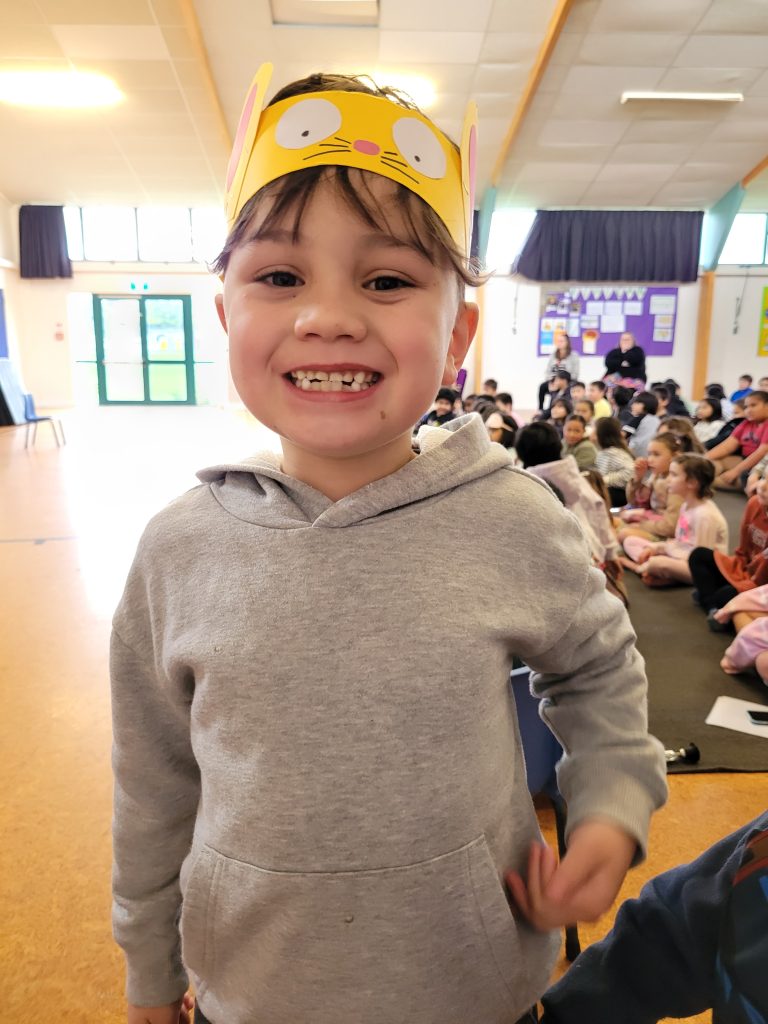
Nasir’s love for “The Gruffalo” sparked a classroom performance that culminated in a school assembly retelling the story. Nasir played Mouse, the main character, with such enthusiasm and skill that it brought tears to my eyes. Seeing him transform his love for drama into a confidence-boosting moment was unforgettable.
I couldn’t help but think about how far we’ve come, from wondering if Nasir would ever feel comfortable in a group setting to seeing him take center stage, leading the story with such confidence. It was one of those rare moments where the hard days felt justified.
I am so grateful to his teacher for gifting such a beautiful and priceless memory to Supry and I as parents. These are the moments that matter.
Drawing with a Teacher’s Aide
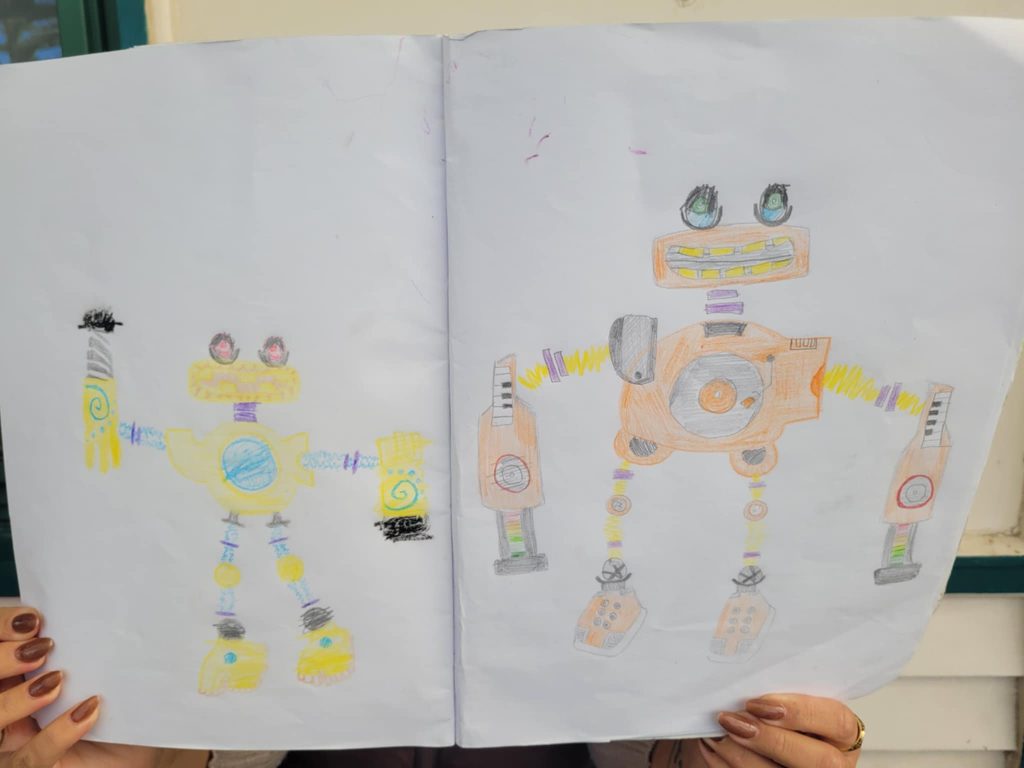
As the year progressed, Nasir developed a special bond with a teacher’s aide who had a particular talent for drawing. Most days at pick-up, Nasir would excitedly show us the pictures he helped her create, often featuring his favorite characters like Wubbox and the Rainbow Friends. These drawings, simple or complex, were always impressive and seemed to spark an interest in Nasir wanting to draw other characters too. Just a year ago, he struggled with drawing his version of Peppa Pig, which didn’t quite resemble the character, but now his drawings have improved significantly. This process has not only sparked his creativity but also played a significant role in developing his fine motor skills. Watching him improve in this area has been so rewarding.
We are so grateful to this person, we gifted her some chocolates and a card with a personal drawing by Nasir.
Helping Developmental Delays in School
- Foster Creativity through Art:
Try encouraging your child’s creativity at home by providing drawing materials or setting aside time for art. Even simple drawing sessions can have a profound impact on your child’s fine motor development and overall confidence in school.
Nasir’s interest was piqued with characters he loves as well as having someone showing him they could bring his visions to life.
ORS Funding Outcome: A Win in Disguise
After much deliberation, the school decided against pursuing ORS funding. Their reasoning? Nasir’s progress had surpassed expectations, effectively making him ineligible. While dedicated funding would have been helpful, this outcome reassured us that he’s thriving with the current support.
Helping Developmental Delays in School
- Advocate and Adapt
Advocate for your child’s needs while staying flexible. Sometimes progress means letting go of preconceived goals.
First School Holiday Playdates and Birthdays
Nasir had his first playdate with a friend during the second term holidays. Nasir is an introvert and is fine using his tablet to keep himself occupied but he really wanted one of his longest friends over. They bonded over tablet games, and his friend introduced him to Roblox, a game now central to Nasir’s fine motor skill development. Watching him master touchscreen controls (better than I can!) has been both humbling and impressive.
When his friend arrived, I watched Nasir navigate their time together with excitement and care. Seeing him share, laugh, and explore alongside someone else felt like watching him step into a new chapter of independence.
He received his first School Friends birthday party invite around the same time as his own. As a mum, you hope your child makes friends and has normal school kid experiences but throw into the mix that your child isn’t “typical”. It can be hard to relate to others when your brain works differently but Nasir has grown fond of two children at school so much so he was certain he wanted them and two daycare friends at his birthday party. An incredible advancement that reassures me that he is finding his own way through life.
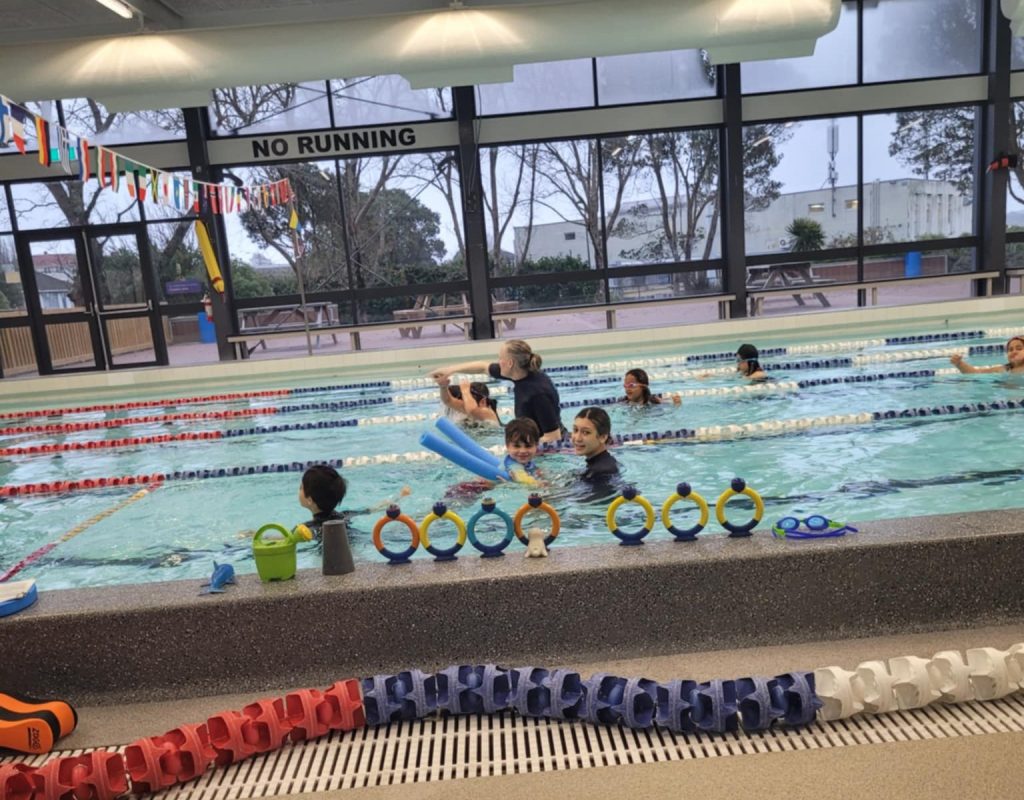
Swimming Lessons: A Splash Toward Independence
We enrolled Nasir in swimming lessons this year, a necessary step for a water-loving kid like him. His cautious nature in the pool is reassuring, but learning to swim confidently ensures he’s safer around water.
Museum Adventures
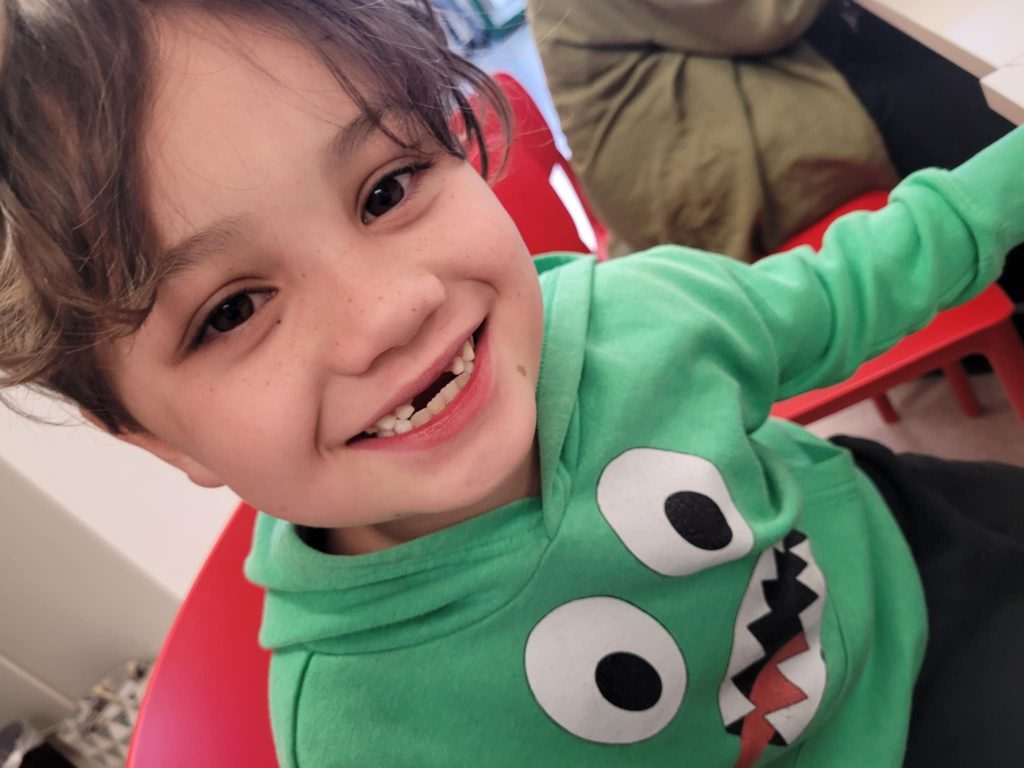
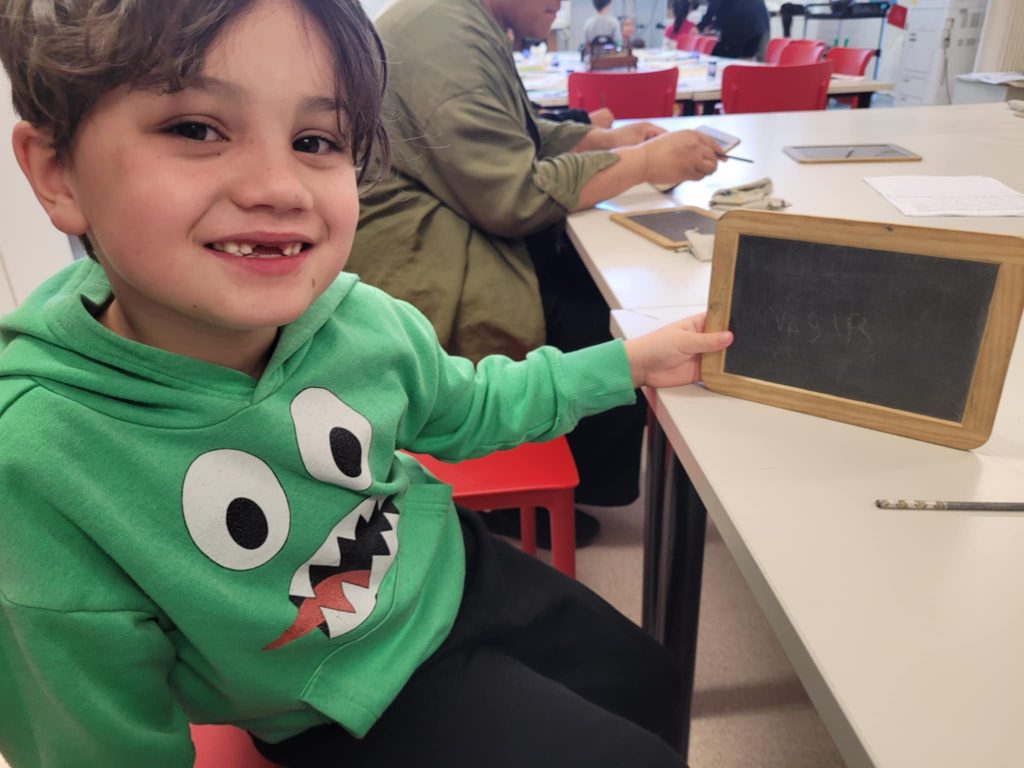
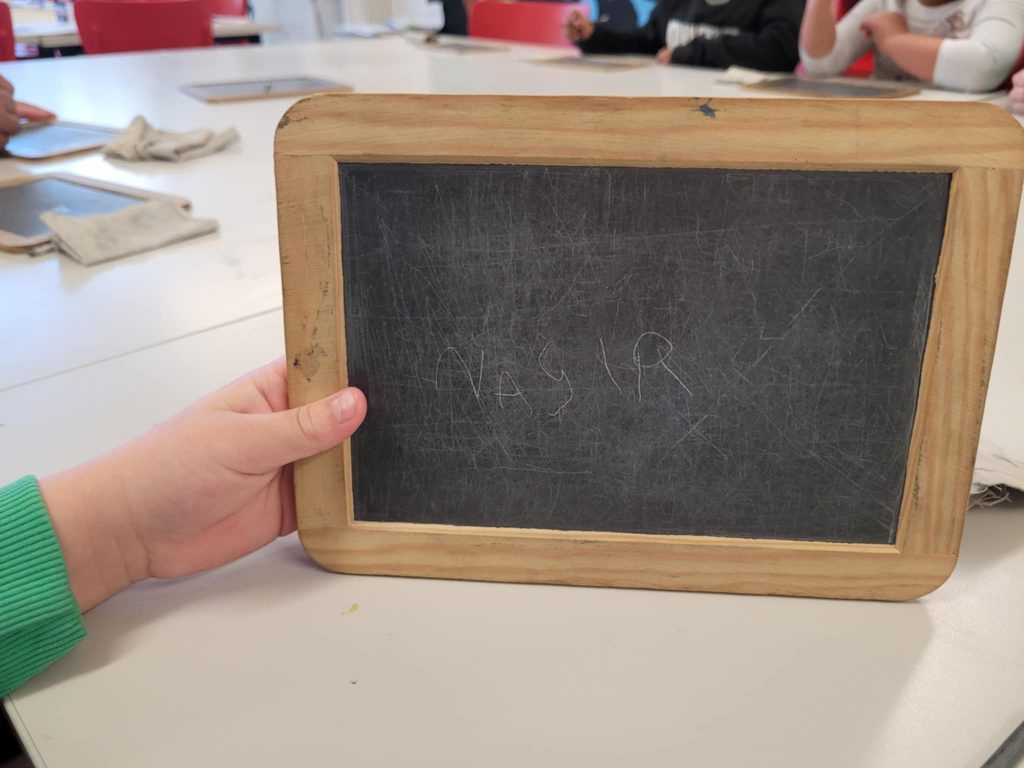
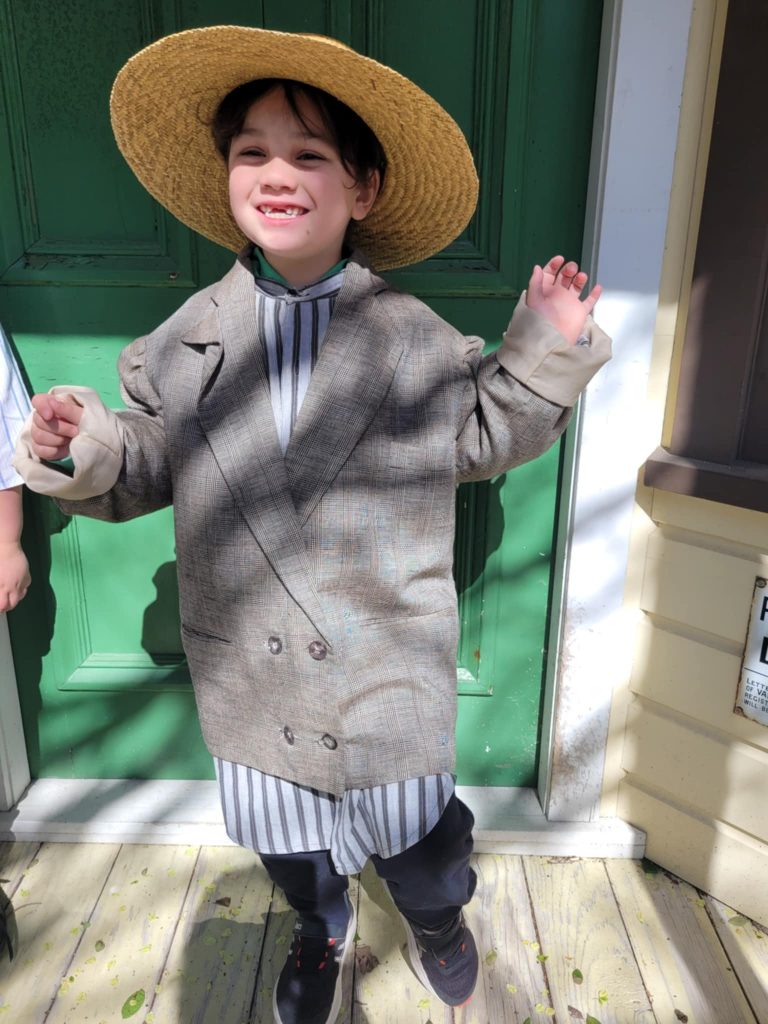
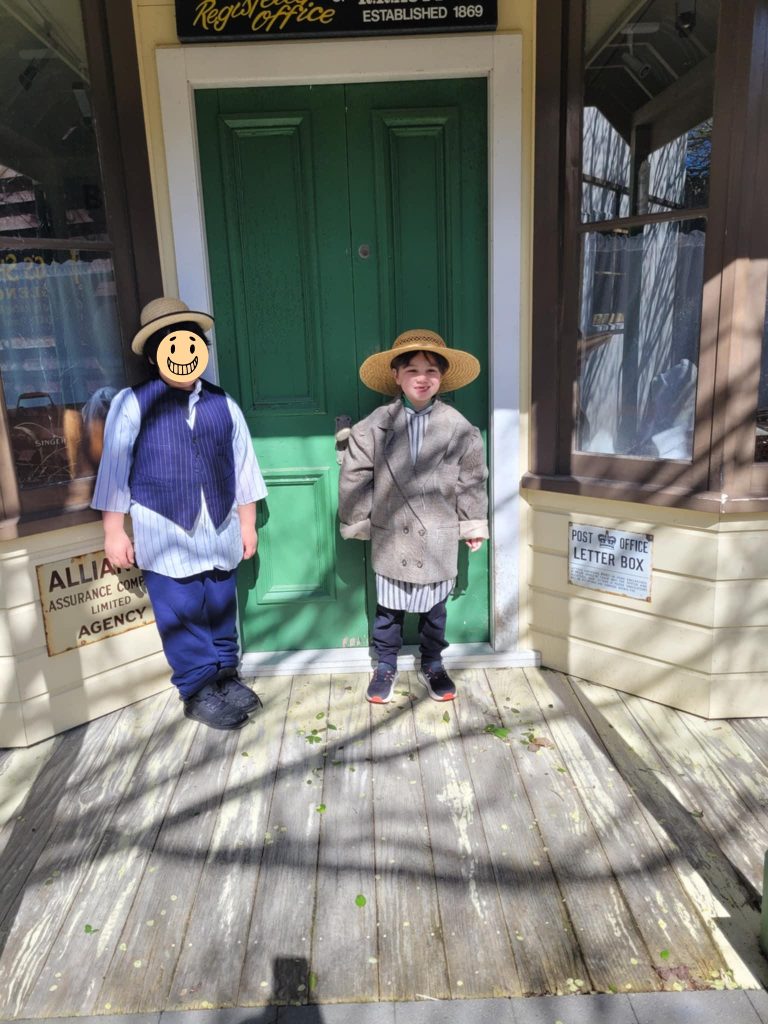
Nasir participated in a class trip to Pataka Museum. The trip was a milestone for both of us, this time, I joined as a parent helper, not as extra support for Nasir, which Supry usually did. The school programme we learned about was “Where Do I Plug In?“. The children were sorted into 3 groups for the 4 separate activities to give them a feel for how children back then had to dress, used for writing, games they played, and the difference in resources and materials used from today. The sorting activity was funny because a lot of the “new” would have been new when I was their age! The kids had no idea what they were looking at and couldn’t make sense as to why the items were called new cause they looked OLD. Watching him engage in activities about early colonialism and even dress up in 1900s attire was heartwarming.
Speech and Language Therapy Graduation
Toward the year’s end, the Ministry of Education’s speech and language therapist declared Nasir ready to graduate from their services. His communication skills have grown tremendously, he now confidently interacts with peers and adults, asking for help and participating independently in class. This is a huge shift from last year’s report which indicated that sharing was hard but a work in progress. Having this update affirms that his cognitive skills are progressing in the right direction.
Nasir is now engaged in classroom routines and using language spontaneously to interact with adults and peers. Nasir participates in collaborative activities with peers and uses the language of turn taking. He can verbally communicate his daily needs and wants. For example, when I was in the classroom recently Nasir approached me and said, “excuse me, what’s your name?”, I responded “SLT name”, Nasir then said “SLT name, can you help me open my lunchbox”. Nasir’s communication at school is functional for daily interactions and participation in school activities.
Ministry of Education Speech & Language Therapist
I remember longing to be where we are now. When Nasir was unable to put two words together or struggled to pronounce words correctly. I remember grieving that this may never happen, but now here we are. This was such a monumental and proud moment for Supry and I.
Helping Developmental Delays in School
- Utilize External Resources
Seek external support like speech therapists or parent courses to equip yourself with strategies tailored to your child.
Here are some of the tips provided by our first Speech and Language Therapist from daycare. I met her in person the other day when picking up Rahim and Aisha from daycare. She was so pleased to hear Nasir’s progress. I let her know just how much I appreciated her knowledge and support because it set a strong foundation for me to help Nasir.
End-of-Year Prizegiving: A Proud Moment
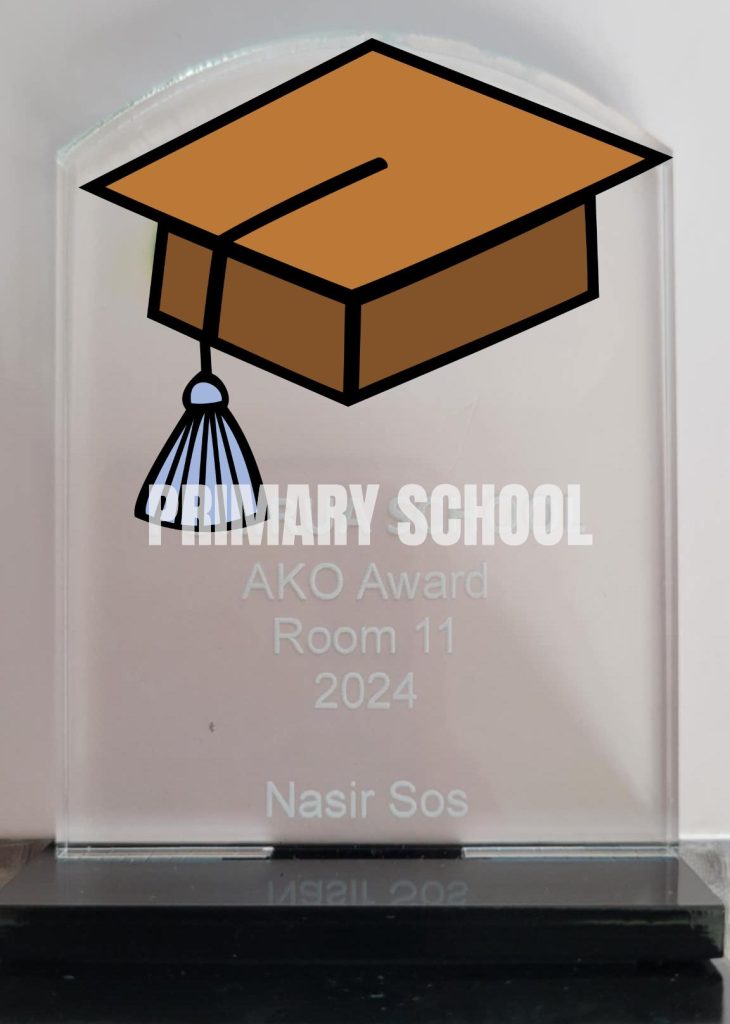
When Nasir’s teacher informed me he’d receive a prize at the end-of-year assembly, my heart swelled with pride. His achievements this year include improved fine motor skills, a growing love for reading and math, and newfound independence, like walking to his classroom solo. But it was Nasir’s confidence, determination, and joy that truly stood out, as highlighted in his certificate. His teacher wrote,
“Nasir, you have had an absolutely outstanding year! Your love for The Gruffalo inspired your incredible performance as the little brown mouse in our class play, where you shone with determination, joy, and pride.”
Whaea
It’s not just his academic growth that makes us proud, but his ability to bring joy and positivity to the classroom, always accompanied by his cheekiest smile. Nasir’s sense of pride in his work and his unwavering enthusiasm have made a lasting impact on his teachers and peers. As his teacher said, “It has been an absolute privilege to be your teacher this year. Nasir, you are such a special part of Room 11, and I know you will continue to achieve great things.” This prize wasn’t just a recognition of his hard work but a testament to the wonderful, confident person he’s becoming. I can’t wait to see what the next chapter holds for him.
Helping Developmental Delays in School
- Celebrate Small Wins to Build Confidence
Focus on moments of growth and celebrate achievements, no matter how small. These victories fuel motivation and confidence.
End-of-Year Report: A Reflection on Nasir’s Growth
Nasir’s end-of-year report perfectly reflects the growth and achievements he’s made throughout the year. His love for drawing and reading has been a shining part of his learning, and he thrives when given the chance to explore and learn outside the classroom. Nasir has become more confident in expressing his thoughts and sharing his opinions, showing a growing sense of self-assurance.
In reading, Nasir has made great strides, demonstrating an excellent understanding of letter sounds and building a strong vocabulary. His enthusiasm for books is contagious, and he’s shown a real love for stories, which has supported his growing reading skills. However, Nasir will be part of a literacy acceleration group in 2025 as he is still working towards meeting the expected level for his age, which will give him the support he needs to continue progressing.
In math, Nasir has confidently mastered recognizing shapes, counting, and solving basic addition problems. He enjoys exploring numbers and is learning about fractions and volume through hands-on play, showing his natural curiosity.
As Nasir moves on to year 3, I’m excited to see how his love for learning continues to grow, and I’m proud of all he’s accomplished this year. He’s truly made incredible progress, and I can’t wait to see what next year brings.
Highlights and Achievements
- Performing as Mouse in The Gruffalo
- Expressing his birthday wishes for the first time
- Progress in fine motor, speech, and cognitive skills
- Gaining confidence in reading and math
- Walking himself to class independently
- Remembering his peer’s names and responding when they say hello and goodbye
Looking Ahead: Goals for Next Year
The Parent to Parent workshop I attended discussed using planning tools to give direction on what the child, family, and school can all work together to achieve. It was suggested to create vision boards, PATH, MAPs, or FOCUS, this way everyone is on the same page and understands the goals. We haven’t done this but it is something I’d like to implement for the coming year because my goldfish brain has issues with capacity with the amount of mental load leaving space for all the things I have to remember (hence why I love to write in a planner).
- Establishing boundaries with tablet use
- Understanding the importance of his medicine
- Creating a smoother home-to-school routine
- Learning Buster Moons phrase “Dream big dreams” instead of “Big dreams big dreams”
- Better understanding of responsibility over his belongings
- Pronouncing “F” correctly
A Heartfelt Goodbye to His Teacher
We gifted Nasir’s teacher something personal, a poem in a frame, drawings by Nasir, and a family letter. Learning that she wouldn’t be returning next year made the gesture even more meaningful. Rahim was particularly looking forward to seeing her next year, but we’re forever grateful for the impact she’s had on Nasir’s journey.
Writing that letter was my way of saying what words in passing never could. Her impact on Nasir, and our family, will stay with us long after she’s left our school. It’s rare to find someone who truly sees your child for who they are and nurtures their potential so deeply. At our school, we are lucky to be surrounded by supportive and encouraging educators, but the bond he and his teacher this year shared is a true reflection of her genuine care for him.
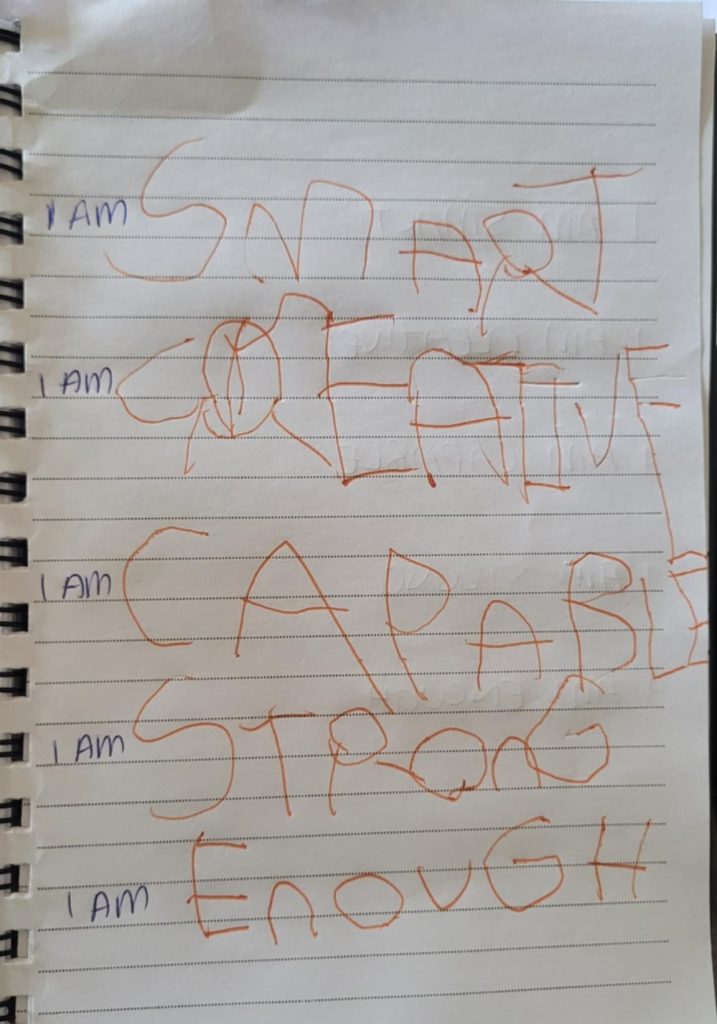
Reflections on the Journey
Raising a child like Nasir has taught me lessons I never expected, here is how to help a child with developmental delays in school:
- Progress Isn’t Linear – Growth comes in bursts, pauses, and sometimes steps back. Trust the process. Those moments where everything clicks are worth the wait.
- Your Child’s Strengths Can Redefine Success – Nasir taught me to focus on what he can do instead of fixating on what he can’t. It’s in those strengths that you see their true potential.
- Advocacy is a Superpower – You are your child’s strongest advocate. Speak up, even when the systems seem overwhelming, because your voice is what bridges gaps in their education and support.
- The Right People Matter – Teachers, therapists, and friends who see your child for who they are can change everything. Find those people, celebrate them, and let them know how much they mean.
- Celebrate the Small Things – A playdate, a new word, or even a smile after a challenging day. These moments are gold, and they remind you of the magic in your child’s journey.
- It’s Okay to Be Emotional – Pride, frustration, hope, exhaustion, they’re all part of this. Let yourself feel every bit of it because it means you care deeply.
For further information on helping developmental delays in school, check out how we have navigated through Nasir’s first year of school and how we use various tools and media to implement the strategies provided by his Speech and Language Therapist.
Nasir’s school journey has taught me that progress is a process, not a race. From building strong relationships with educators to celebrating every milestone, there are many ways to help your child with developmental delays succeed in school. Trust your instincts, advocate fiercely, and cherish the journey.
What a year it’s been for Nasir, and what a privilege it is to witness his growth. Here’s to another year of learning, thriving, and celebrating his unique journey.
Let me know if any of these tips help of give you inspiration on how you can support your child’s learning journey 🙂
Elysha x