
Exercise for Mums: Why You Should!

If you’re like me, working out went out the window when you became a mother. It was quickly replaced with peeing when you jump, cough, or sneeze, feeling softer or fluffier, and your strength and flexibility became nothing but a distant memory. Yup, exercise for mums is no longer a focused session but it does include running after your children, jumping over the mess on the floor, and stretching out to catch them when they’re living the life of a stunt double.
Finding a way to fit it into your routine can also seem like just another item on the to-do list. As mothers, we often feel and say we would do anything for our kids. We would die for them! I’ve seen a challenge to that: Would we live for them?
It’s difficult to grapple with that because we already give everything we can and are to our children. We literally live for them, right!? But this challenge goes deeper, it asks: Would we exercise our bodies, nutritionally nourish it, and look after ourselves so we can live long enough to not only be with them as they grow, learn, and develop, but be the parent they deserve us to be? Emotionally stable, able bodied, energetic, and strong enough to advocate for them?
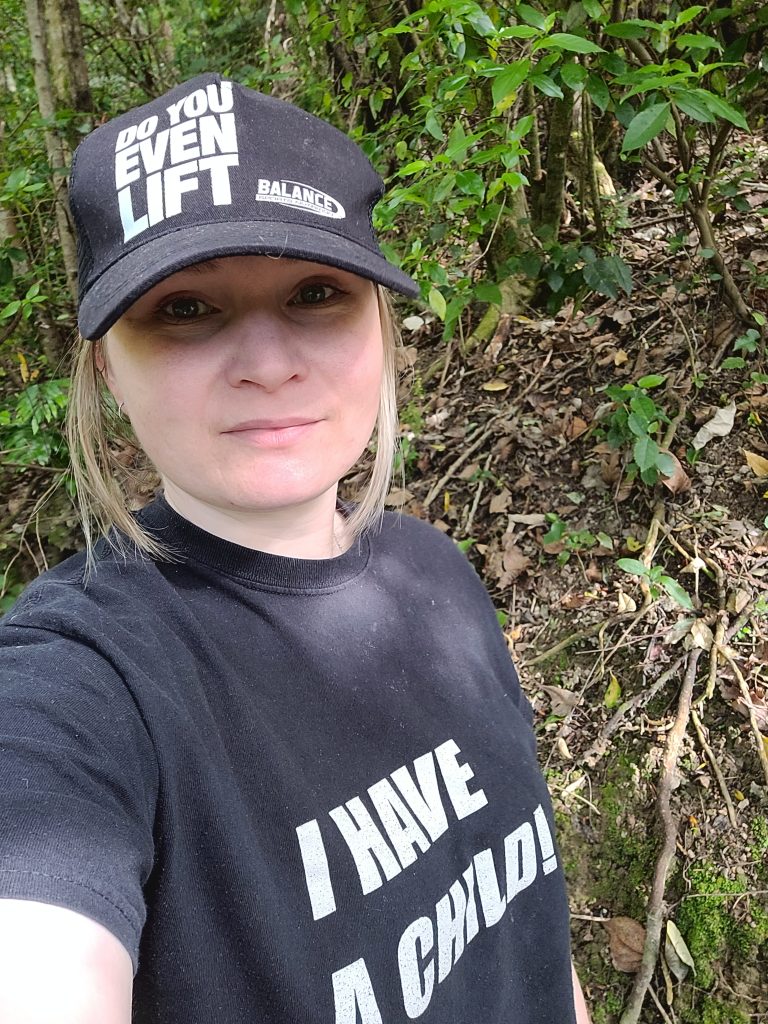
Commit to Yourself
I feel this deeply, but I also know it’s easier said than done. With Nasir’s Global Developmental Delay, Rahim’s endless energy, and Aisha still being so small, finding time to even catch my breath, let alone exercise, feels impossible some days. The reality of caregiving is that the time and mental load leave little room for making a commitment to your own health. I prefer the word ‘commitment’ over ‘prioritise’ because it feels less accusatory and more encouraging. Making a commitment still has the intent but I feel that it comes without the connotation that it’s not important to us.
I’ve experienced firsthand how making exercise a routine impacts more than just your body. It improves mental clarity, boosts mood, and brings a sense of accomplishment that carries over into every area of life. Making a commitment to working out and pushing your body to what you feel like are its limits is empowering and, in my experience, has a profound impact on the rest of your life with how you not only view yourself but makes your other goals seem possible. It trains your mind to believe the impossible. But getting to this stage can often feel so far out of reach when you’re very aware of the obstacles you face to make this happen. It also boosts mental well-being, improves happiness, and fosters resilience. It’s a way to feel strong, both inside and out, and to show up better for my kids and myself.
If you’re like me and looking to make exercise a consistent part of your routine, here’s the “why” behind it, practical tips to get started, and some science-backed benefits of committing movement.
Why Exercise Is One of My Goals
Working out is something you have to put effort in to see and feel the benefits, this is why it is important for me as a goal and the perfect way to commit to myself. Of course, along the way, I’m going to have micro goals. Here’s what I’m looking forward to achieving and why it matters:
- Being able to run around with my children
- Having better posture, reduced back and joint pain
- Not having to pee every time I jump, cough, sneeze (or… fart)
- Being regular (Are we on that level of friendship yet?)
- Healthy skin and feeling confident in it
- Having more energy
- I want to be able to dress up as characters for the kids birthday parties or just for fun
I also really want to comfortably wear my wedding rings again and not have to run my fingers under water to get them off. Aside from the physical and mental benefits of exercising, it’s much more cost effective to fit my rings (and my own clothes) than paying to have them resized. I’m a little bit stubborn!
My Plan of Attack
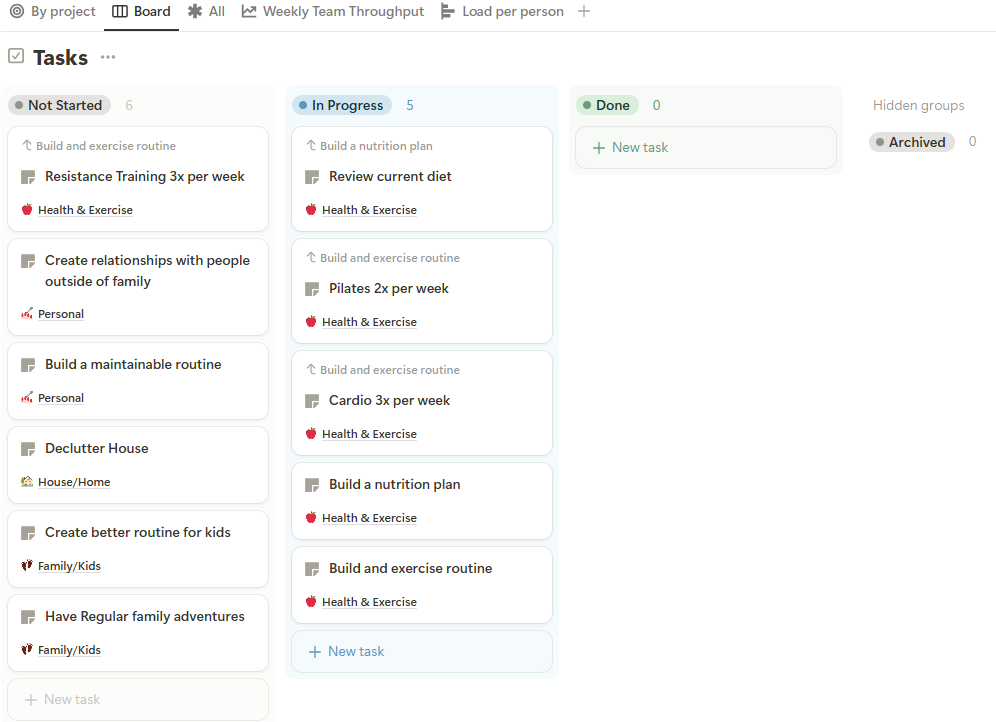
Years ago, when Supry and I owned a gym in the Wellington CBD, we had created a booklet to help those just beginning on their health and exercise journey. Later, when I was in my corporate job, I modified this to encourage my work-friends to make small changes to their health where they could. The booklet, which I intend to set up in Notion, focused on incremental and sustainable steps week by week to reduce the all or nothing mindset, ensuring it wasn’t too overwhelming and easily adjustable to your life.
I have used this as my guide to keep me accountable and give me direction as I breakdown my goals that I have set up in Notion. When starting out, exercise for mums needs to be kept simple to easily slot it into a routine.
I have been doing my best to get out of the house for a walk, but my nutrition hasn’t been aligned to my goals. There’s no synergy between exercise and nutrition, currently. I’ve been making time to go out for a walk at least three times a week, then complaining I still feel bloated, heavy, and tired. I still feel like sausage meat being stuffed into casing in my clothes and in my skin. I know this needs to change and if I’m to make a commitment to myself the more I focus on the smaller steps, the routine, and choosing goal-oriented habits, the synergy between all of my goals, especially health, will start flowing in the same direction. I’m sure I’ve had this realisation before, but it hits differently as a mum.
Obstacles and Exercise for Mums
Lack of Support
Even taking Nasir somewhere to get movement in was a challenge. I had no one I could leave him with that understood him or that I trusted enough. Supry, being in the same situation; exhausted, I didn’t feel it fair to ask him to give more than he was giving. During those trying times, I turned to other things to make life feel less hard or to help myself process emotionally. For me, food became my comfort, but it also left me confused and stuck in a loop of guilt and frustration.
Fitness Influencers or Personal Trainers who haven’t walked in our shoes often tell their audience to rephrase “I don’t have the time to exercise” to “Exercise isn’t a priority to me right now” and to sit with it and see how that feels. I don’t know about you, but it makes me angry when they say that. It’s much more nuanced than that. Not everyone has the same support, resources, or privileges. Not everyone has children who struggle, have additional needs, or small children that make exercise for mums more difficult.
The same struggles apply to exercise. Many gyms in New Zealand don’t offer crèche or childcare, and with Nasir’s additional needs, we didn’t have the support we required to make it work.
Time Constraints
When you have children, your life quickly revolves around them. It can be hard to get into a routine to suit everyone, so often the main carer sacrifices their time, so others don’t miss out. I know I’ve done this, and it can leave you feeling resentful.
When Nasir was two, for example, we were transitioning him to his own bed before Rahim arrived. It would take actual hours for him to go to and stay asleep, and I had to be touching him the entire time. At the time, I was trying to study, but between full-time work, childcare, and being pregnant, I lacked the energy to continue studying after Nasir finally fell asleep. I had to take annual leave just to complete it.
I used to try getting up early to squeeze in cardio, but now, with Supry sleeping with Rahim and me with Aisha, it’s hard to implement the same routine. Resistance training at home is unmotivating and limiting.
Overcoming Guilt
When I had the flexibility to work from home, I could fit in a walk on the treadmill during lunch breaks or even during meetings I only had to listen to. But if I were to return to full-time salaried work without that flexibility, it would seem impossible without sacrificing something else. Like sleep or my ability to function without my family suffering.
Now, creating a new routine, one that keeps me motivated and interested, feels as if I am starting all over again.
Science-Backed Benefits of Exercise
The physiological benefits of exercise are well-documented and go far beyond the surface. Here’s how movement connects to both physical and mental health:
- Boosts Mental Health – Makes you HAPPY!
- Endorphin release: Exercise stimulates the release of endorphins, often called “feel-good hormones,” which reduce stress and enhance mood.
- Studies confirm that regular physical activity can significantly decrease symptoms of depression and anxiety.1
- Stress reduction: Physical activity reduces cortisol levels, the body’s stress hormone, which helps you feel calmer and more focused.2
- Endorphin release: Exercise stimulates the release of endorphins, often called “feel-good hormones,” which reduce stress and enhance mood.
- Improves Cognitive Function – Goodbye Mum Brain!
- Exercise increases blood flow to the brain, improving memory, focus, and problem-solving skills. Research also shows it promotes neurogenesis, or the growth of new brain cells.3
- Enhances Physical Health – Makes you feel and look again 🩷
- Regular movement strengthens your heart, improves circulation, and helps regulate blood pressure.
- Exercise also strengthens muscles and improves posture, which can reduce back and joint pain caused by carrying children or poor ergonomics.4
- Improves Sleep Quality – If you have young children… Never mind.
- Studies show that people who exercise regularly fall asleep faster and enjoy deeper, more restorative sleep.5
- Builds Long-Term Resilience – You might experience less overstimulation from your children’s noisy antics…
- Experiencing and overcoming physical challenges in workouts builds perseverance and grit, which can help you handle life’s obstacles with greater confidence.6
Practical Tips for Making Exercise Work for You
Getting active doesn’t have to be overwhelming. Here are some ways to fit movement into your busy schedule:
1. Start Small and Stay Consistent
Begin with short sessions, like a 5-minute stretch or a brisk walk. Small, consistent efforts lead to lasting results.
- Please, be mindful of thinking you need to start running.
- If you’re heavier than you should be for your frame, like me, the jarring of your joints can have a negative impact that can lead to injury. I have been impatient before and started by doing sprints on a treadmill but had to reassess when my knees and ankles started to suffer. When I was lighter, I was able to gently start back.
2. Involve Your Kids
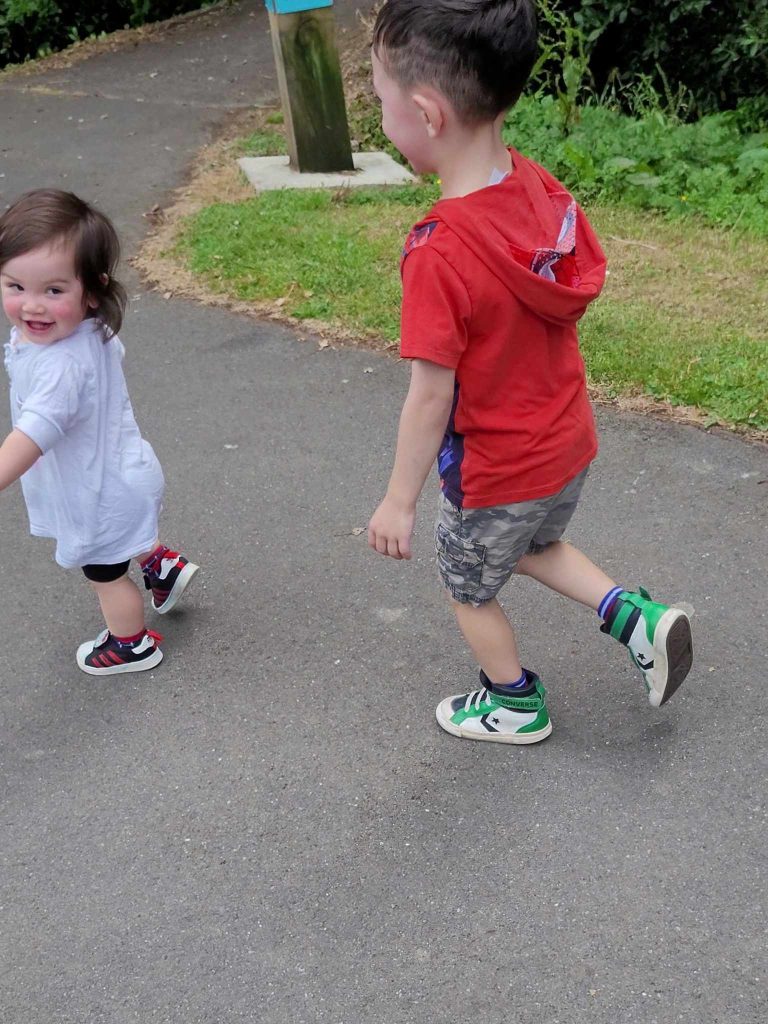
Exercise for mums can sometimes mean you can’t get out without them!
- Take the children to a safe and open space to run around.
- Nasir and Rahim loved going to a local park when they had the freedom to move but also copy what I was doing.
- Go for a 30-minute walk with your children in a safe space and talk about their day or the random stuff they come up with.
- Swimming with your children can be fun for them but a gentle workout for you!
3. Build Exercise Into Your Routine
Find opportunities for movement in your daily life. I am not a fan of squat every time you hear ‘mum’ or considering household duties as a workout (though the sweaty mess is real!) but if that suits you and gets you motivated, go for it. I like to have a dedicated time for it to focus and ensure I feel like it’s been a good session.
- Exercise during a lunch break or kids nap.
- Walk to school pick-up instead of driving.
- Get it done in the morning before the family wake up.
- Only if you’re in a position to! I have Aisha, who breastfeeds (still), sleeping with me. The constant night wakes and early morning starts from her leave me feeling too wrecked to get up any earlier.
4. Focus on Progress, Not Perfection
Every bit of movement counts. Celebrate small wins, like completing a quick workout or stretching for 5 minutes.
5. Leverage Accountability
Find a workout buddy, join a fitness group, or use an app to track your progress. Knowing others are cheering you on helps maintain motivation.
I find having instantly gratifying goals to start with will help build momentum until you’re creating positive habits and keeping to a regular routine. Think about:
- How you feel during or after a workout?
- Do you feel strong?
- Can you breathe better?
- Are you proud of your ability to conquer your mind, knowing you CAN do it?
- How do you feel after eating a nutritionally dense meal?
- Less bloated?
- Less heavy?
- Regular?
But beyond all that, exercise for mums is empowering. It’s a reminder of your strength, resilience, and capability to achieve your goals. One step at a time.
Common Questions About Starting Exercise
Q: I feel too out of shape to start. What should I do?
Start where you are. Even a short walk or a beginner yoga session is progress.
- I am terrified of resistance training again. I love it, but the DOMS (Delayed Onset of Muscle Soreness) and motherhood is a scary concept for me. I’ll get over it, but I have started with a 30-minute walk 3x times a week with a few sessions of 20-minute beginners Pilates.
Q: I don’t like traditional workouts. What are my options?
Explore activities you enjoy, like dancing, hiking, or playing with your kids. The best exercise is the one you love doing, exercise for mums calls for it! And, you never know, as you progress, you may revisit what you currently don’t like and catch feelings for it!
Q: How do I stay motivated?
- Keep your “why” front of mind. For me, it’s about being healthy for my kids while feeling confident in myself. But further than this, I want to prove to myself that I can commit to myself again and find out who I am.
- Keep visual reminders around your house or on your mobile to keep it fresh
- Focus on the positive changes you’re making and the milestones you’ve reached. How much effort you have put it to get to where you are.
Tips for Mums to Stay Active
- Embrace micro-moments: Squeeze in short bursts of activity.
- Plan ahead: Break down your goals, lay out workout clothes the night before or block time in your schedule.
- Celebrate progress: Every step forward matters.
- Be kind to yourself: Some days will be harder; keep going anyway.
You’ve Got This
Exercise for mums doesn’t have to be perfect or time-consuming to make an impact. It’s about finding what works for you, staying consistent, and celebrating every win along the way. Mums, you deserve to feel empowered, strong, healthy, and happy. Not just for your family, but for yourself.
I am now ready to have a delayed snapback, on my terms. I’ve set my goals and I’ll be sharing what works for me and my progress along the way!
Let’s take small, consistent steps toward better health together. Comment below if you have a game changing tip, a cheat code if you will, to making it work!
You’ve got this!
Elysha
References
- Harvard Health Publishing. (2018). Exercise is an all-natural treatment to fight depression. ↩︎
- American Psychological Association. (2011). Exercise and Stress. ↩︎
- National Center for Biotechnology Information. (2013). Exercise and neurogenesis. ↩︎
- Mayo Clinic. (2022). The benefits of regular exercise. ↩︎
- Johns Hopkins Medicine. (2021). Exercise for Better Sleep. ↩︎
- Frontiers in Psychology. (2020). The Contribution of Physical Exercise to Brain Resilience ↩︎
Further Reading, for Funsies:
- Physical Activity and Mental Health: A Review of the Literature
Link: https://www.ncbi.nlm.nih.gov/pmc/articles/PMC474733/ - The Role of Physical Activity in Cognitive Functioning and Brain Health
Link: https://www.ncbi.nlm.nih.gov/pmc/articles/PMC7107354/ - Physical Activity and Cardiovascular Health
Link: https://www.ncbi.nlm.nih.gov/pmc/articles/PMC5720802/ - Physical Activity and Sleep: A Review of the Literature
Link: https://www.ncbi.nlm.nih.gov/pmc/articles/PMC6770034/ - Physical Exercise as a Resilience Builder
Link: https://www.sciencedirect.com/science/article/abs/pii/S1469029217301443 - Exercise and Stress Reduction: The Benefits of Physical Activity for Stress Management
Link: https://www.ncbi.nlm.nih.gov/pmc/articles/PMC3770344/
Disclaimer: I am not a specialist in postpartum recovery or exercise. If you’re in New Zealand and seeking professional guidance, I can refer you to qualified Physical Therapists or Personal Trainers who specialise in this area. This post is intended to share my personal journey and the reasons why incorporating movement and exercise into daily routines can be beneficial, even if you’ve never done so before having children.